The story of Behind the Mask: duty, addiction, and the cost of silence
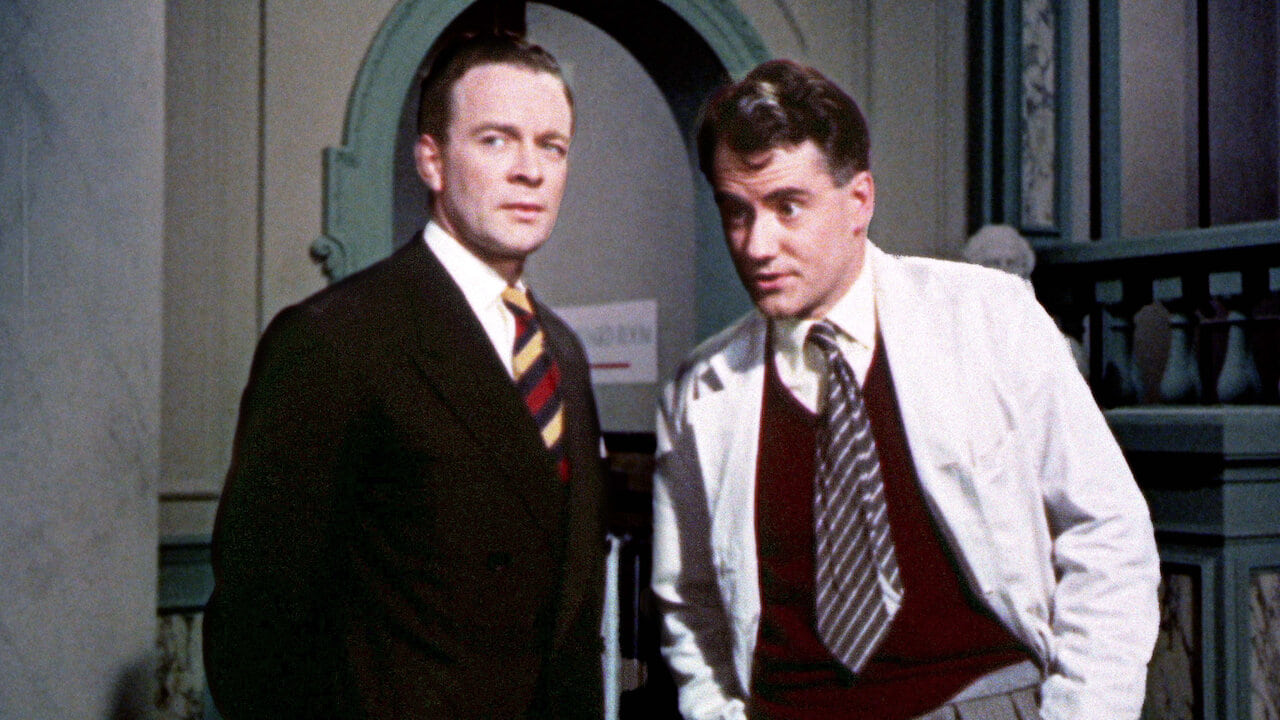
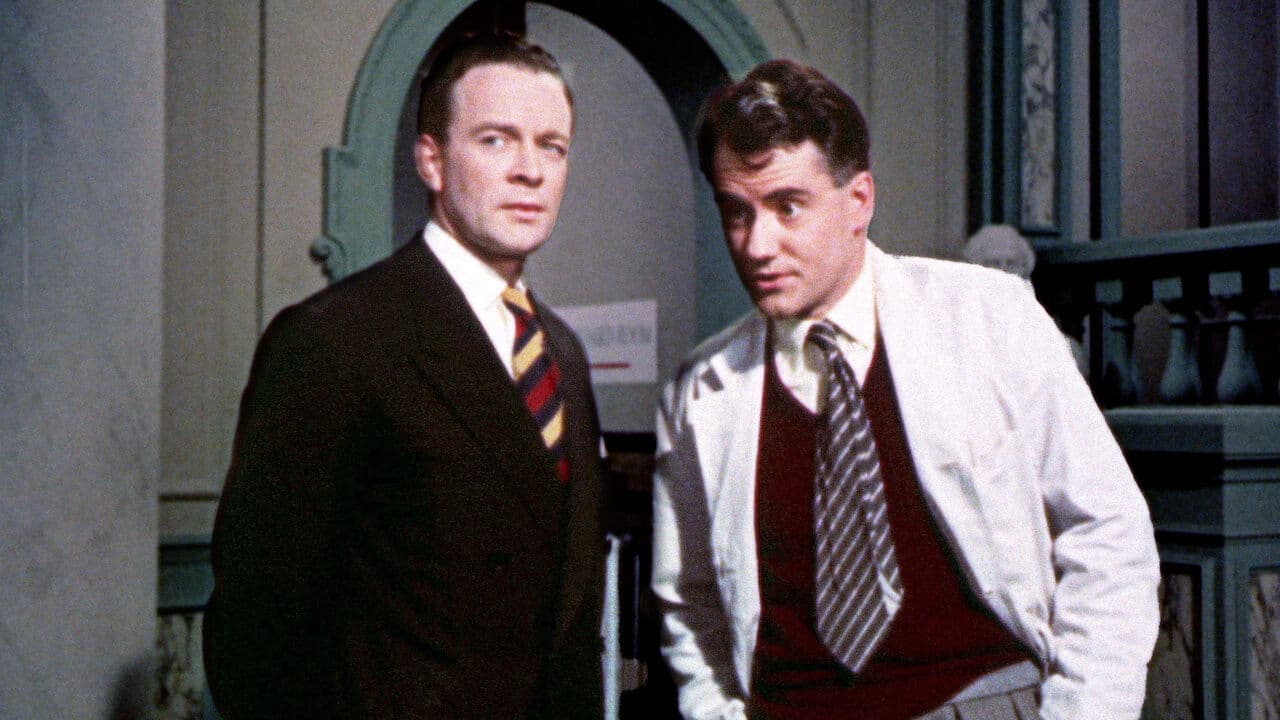
Behind the Mask opens in the controlled chaos of a mid-century British hospital, where the line between professional duty and personal conscience isn't always clear. A young, freshly qualified surgeon finds himself caught between two impossible choices when a patient dies following negligence by his colleague—a gifted but deeply addicted physician. Rather than expose his friend, the protagonist agrees to shoulder the blame himself. It's a decision that spirals outward, testing not just his career but his sense of who he is beneath the white coat. The film doesn't offer easy answers, and that's precisely what gives it teeth. The hospital setting becomes less a backdrop and more a pressure cooker where ambition, shame, and the weight of unspoken secrets compound with each passing day.
Behind the making of Behind the Mask: cast, crew, and the source material
Behind the Mask was directed by Brian Desmond Hurst, a veteran British filmmaker whose career spanned from the 1930s through the 1970s, and it drew its narrative from John Rowan Wilson's 1955 novel The Pack—a book that itself mined the insider world of medical practice for moral drama. The screenplay came from John Hunter, who crafted a script that translated the novel's psychological tension into cinematic language without losing the claustrophobic weight of institutional life. The cast was anchored by Michael Redgrave, one of Britain's finest actors of the era, whose ability to convey internal conflict through subtle shifts in expression made him ideal for a role that hinges on a man keeping a devastating secret. Supporting him were Tony Britton, Ian Bannen, and Lionel Jeffries—all respected character actors who'd go on to substantial careers. The production came together through GW Films and British Lion Films, two significant names in British cinema at the time. Running 99 minutes, the film had the breathing room to develop its moral complexity without feeling padded, and it arrived during a period when British drama was increasingly willing to examine professional and institutional failure rather than celebrate institutions wholesale.
What makes Behind the Mask stand out: performance, restraint, and the hospital as character
What's striking about Behind the Mask is how much it trusts its audience to sit with discomfort. Redgrave doesn't play the protagonist as a noble martyr—he plays him as someone slowly suffocating under the weight of his own choice, and you can see it in the way his jaw tightens in scenes where he's forced to maintain the lie. The film doesn't lean on melodrama or big confrontations; instead, it builds dread through routine. Rounds. Paperwork. Conversations in corridors. The hospital itself becomes a character—hierarchical, rule-bound, indifferent to the moral wrestling happening inside individual minds. There's a scene (I won't spoil the specifics) where the protagonist nearly breaks, and Redgrave manages to convey a man on the edge of confession without actually confessing, which takes real acting skill. What I keep coming back to is how the film examines not just the individual's crisis but the institutional machinery that enables silence—the way hospitals, like many hierarchical organizations, have their own unspoken codes about protecting their own. The supporting cast, particularly in scenes involving the addicted colleague, doesn't play the character as a villain but as someone whose illness has eroded his judgment and his ability to take responsibility. That complexity—the refusal to simply condemn—is what separates this from a more conventional medical melodrama. The IMDb rating of 6.4 out of 10 suggests it's a film that doesn't please everyone, but that's often the mark of something willing to ask harder questions than audiences expect.
How to stream Behind the Mask online: current availability
Behind the Mask is currently available on major OTT services, and Movie OTT tracks its availability in real time across platforms so you don't have to hunt. Since streaming rights shift regularly—especially for older British films—checking the Where to Watch widget at the top of this page will show you exactly which service has it in your region right now. Whether you're a subscriber to one of the major platforms or you're building your watchlist, Movie OTT aggregates that information so you can stream it immediately without the guesswork. The film's 99-minute runtime makes it an easy fit for an evening, and because it's a focused psychological drama rather than a sprawling epic, it rewards your attention without demanding a massive time commitment.
Frequently asked questions
Q: Who directed Behind the Mask?
Brian Desmond Hurst directed the film. Hurst was a prolific British director known for his work across drama, crime, and historical genres throughout the mid-20th century.
Q: Is Behind the Mask based on a true story?
No, it's based on John Rowan Wilson's 1955 novel The Pack, which was a work of fiction exploring medical ethics and institutional life. Wilson himself had medical training, which lent authenticity to the hospital setting and procedures depicted.
Q: What is the runtime of Behind the Mask?
The film runs 99 minutes, giving it enough time to develop its moral tensions without unnecessary padding.
Q: Who stars in Behind the Mask?
Michael Redgrave leads the cast, alongside Tony Britton, Ian Bannen, and Lionel Jeffries. Redgrave was one of Britain's most respected actors of the era.
Q: Where can I watch Behind the Mask?
Behind the Mask is available on major OTT streaming services. Check the Where to Watch widget on this page for current availability in your region, or visit Movie OTT's streaming tracker to see which platforms carry it right now.
Final thoughts on Behind the Mask: a film for viewers who prefer moral ambiguity
Behind the Mask isn't a feel-good drama, and it doesn't resolve its central conflict with the kind of cathartic clarity that makes audiences leave theaters satisfied. Instead, it leaves you sitting with the question of what you'd do in that surgeon's position—whether loyalty to a friend outweighs professional integrity, whether institutional silence ever serves justice. That's uncomfortable territory, and it's exactly where the best dramas live. If you're drawn to character studies, institutional critiques, and performances that work in subtlety rather than grandeur, this 1958 British film deserves your time. Redgrave's restraint, the hospital's suffocating routine, and the script's refusal to let anyone off the hook morally make it a worthwhile discovery for anyone mining cinema history.