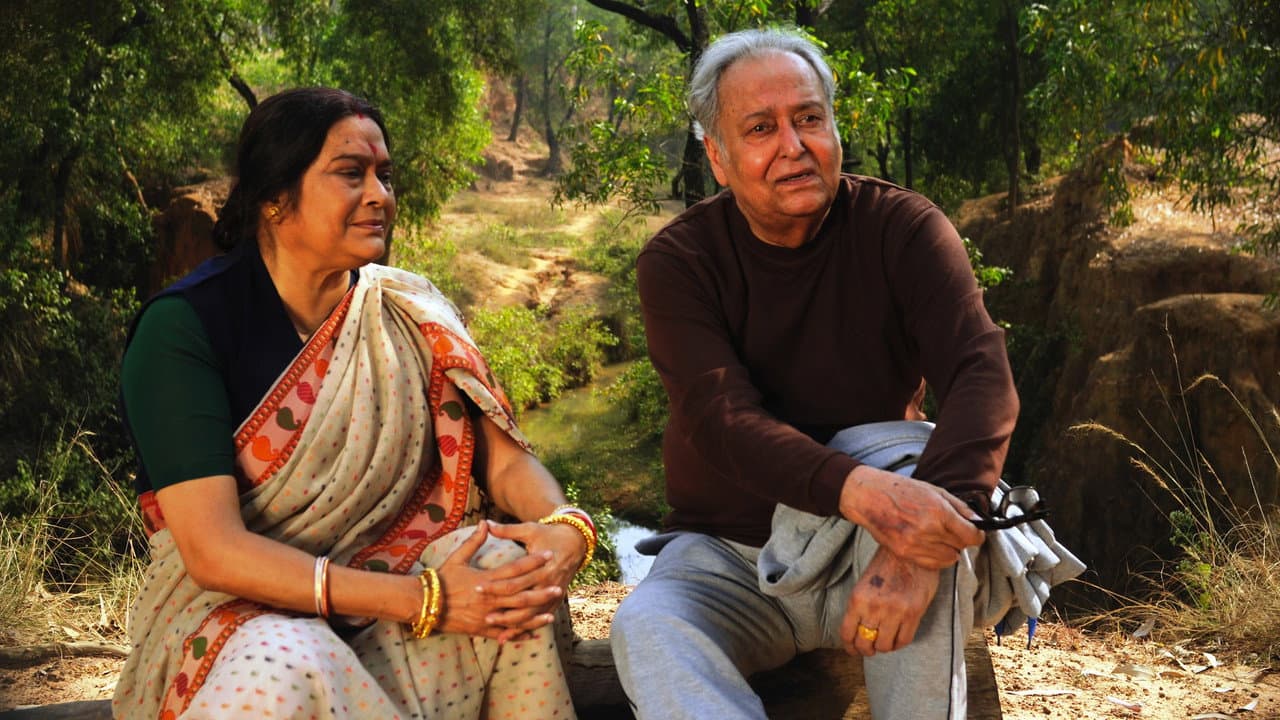










The Story of Belaseshe: Marriage Beyond the Romance
Belaseshe isn't about falling in love. It's about what comes after — the unglamorous, often invisible work of staying in love across a lifetime. The film centers on a married couple navigating the terrain of long companionship: the promises made decades ago, the expectations that have shifted, the small resentments that accumulate like dust, and somehow, underneath it all, a bond that refuses to break. There are no grand gestures here, no dramatic confessions. Instead, you get quiet mornings, conversations that circle back to old wounds, and the peculiar intimacy of two people who've forgotten how to be strangers. The narrative unfolds with the patience of people who have nowhere else to be, who've learned that sometimes a marriage is less about passion and more about presence.
Behind the Making of Belaseshe: A Reunion Three Decades in the Making
Directors Nandita Roy and Shiboprosad Mukherjee orchestrated something remarkable with this film — they brought together Soumitra Chatterjee and Swatilekha Sengupta, two legendary Bengali actors who'd last appeared together in Satyajit Ray's Ghare Baire in the mid-1980s. That's a three-decade gap. Windows Production House developed the project, with Eros International handling distribution, and the film arrived in 2015 running 141 minutes—long enough to breathe, to let scenes settle. The supporting cast reads like a who's who of Bengali cinema: Rituparna Sengupta, Barun Chanda, Kharaj Mukherjee, and others anchor the ensemble with the kind of lived-in authenticity that only comes from actors who understand the regional language and culture intimately. On Movie OTT, you can see how this film fits into the broader landscape of Bengali family dramas—it's part of an established series (the Belaseshe and Belashuru franchise), which speaks to the filmmakers' commitment to exploring these themes across multiple narratives. The IMDb score of 6.9/10 reflects a film that's more interested in subtlety than crowd-pleasing spectacle.
What Makes Belaseshe Stand Out: The Weight of Everyday Intimacy
What's striking about Belaseshe is how it refuses to sentimentalize marriage. This isn't a film that believes love conquers all—or at least, not the kind of love that arrives with orchestral swells. Instead, Roy and Mukherjee seem fascinated by the texture of endurance, the way two people can hurt each other repeatedly and still show up the next morning. Chatterjee and Sengupta don't play their roles as romantic leads reliving their glory days; they play them as people who've forgotten what it felt like to be young together, and who've made an uneasy peace with that loss. The thing nobody mentions when they talk about long marriages is how much boredom there is—not the kind that kills relationships, but the kind that settles into the walls, becomes part of the architecture. The film sits with that boredom. It lingers in hallways. It doesn't rush to resolve tension because, honestly, some tensions don't resolve; they just become familiar. The cinematography and editing give the narrative room to breathe—141 minutes might sound long, but it's earned. You're not watching a plot race toward a conclusion. You're watching two people remember why they're still here, and why they might stay. Movie OTT's streaming guides often highlight films like this as essential viewing for anyone interested in how cinema can capture the interior life of marriage without resorting to melodrama.
Where to Stream Belaseshe Online
Belaseshe is available across major OTT services—you can check the "Where to Watch" widget at the top of this page to see which platform currently carries it in your region. Streaming rights shift regularly, so if it's not on your preferred service today, it may arrive next month. The film's 141-minute runtime makes it ideal for a weekend viewing, the kind of movie you don't half-watch while scrolling your phone. Because it's a Bengali-language film, availability can vary by geography; services with strong South Asian content libraries (like those tracked by Movie OTT for regional cinema) are your best bet. The deliberate pacing means it rewards full attention—subtitles require focus anyway, and this story demands it.
Frequently asked questions
Q: Who directed Belaseshe?
Belaseshe was directed by Nandita Roy and Shiboprosad Mukherjee, a filmmaking partnership known for their sensitive explorations of Bengali family life. The film was presented by Atanu Raychaudhuri and produced by Windows Production House.
Q: Is Belaseshe based on a true story?
No, Belaseshe is a fictional narrative, though it draws on universal truths about marriage and companionship that feel deeply authentic. The story explores the emotional and relational landscape of long-term partnership rather than chronicling specific real events.
Q: When was Belaseshe released?
Belaseshe premiered in 2015 and is part of an established film series alongside Belashuru, allowing the filmmakers to explore similar themes across different narratives and characters.
Q: Why did Soumitra Chatterjee and Swatilekha Sengupta reunite for this film?
The two actors hadn't appeared together since Satyajit Ray's Ghare Baire in the 1980s—a gap of roughly 30 years. Their reunion for Belaseshe was a deliberate artistic choice by the directors, adding layers of history and recognition to their on-screen relationship.
Q: How long is Belaseshe?
The film runs 141 minutes, giving the narrative ample room to explore the subtleties of marriage and companionship without rushing toward easy resolutions.
Final Thoughts on Belaseshe: A Film for Patient Viewers
Belaseshe isn't for everyone. It won't give you the catharsis of a perfectly resolved conflict or the comfort of a tidy ending. What it offers instead is something rarer in cinema: an honest look at what marriage becomes when the infatuation fades and you're left with just the person, the history, the accumulated weight of shared years. Chatterjee and Sengupta carry this weight like it's theirs to carry. If you're looking for a film that understands that love isn't always loud, that commitment sometimes looks like quiet resignation mixed with unexpected tenderness—that's Belaseshe.