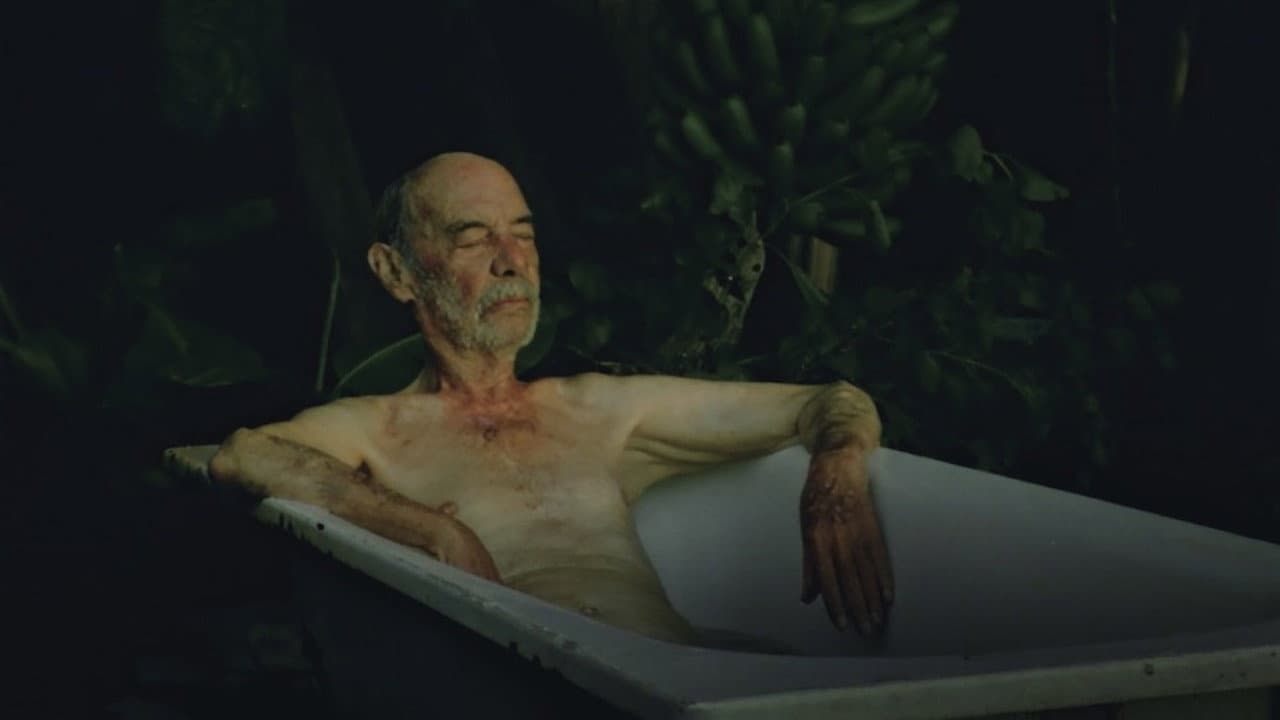
Benigno: An 88-Year-Old Man Who Never Left Home
A man. One house. Eighty-eight years of the same four walls. That's Benigno, a 2026 Spanish documentary that premiered at the Shanghai International Film Festival — and it's less about drama than it is about what happens when someone stops chasing it entirely.
The film follows Benigno, who still sleeps, eats, and dreams in the house where he was born. His only company is a tortoise named Totó. His only work is the garden where he tends chickens and preserves seeds his ancestors left behind. There's no inciting incident, no crisis, no reason he's stayed except that he simply has. Director David Baute and writer María Abenia don't explain this choice to you. They just show it — day after day, season after season — and let the man's life make its own argument.
Why Benigno Matters More Than Its 70-Minute Runtime Suggests
What strikes me most about observational documentaries like this is how they trust silence. Baute resists every urge to narrate, contextualize, or wrap Benigno's life in meaning. No talking heads. No expert commentary on rural aging or cultural preservation. Just a man moving through his hours with the unhurried rhythm of someone who stopped measuring time the way the rest of us do.
The editing does almost all the heavy lifting — and that's harder than it sounds when you've got no plot to carry you. Each scene breathes without overstaying. A shot of Benigno's hands sorting seeds. Totó crossing the courtyard. The garden at dusk. The pacing never feels slack, but it never rushes either. That balance is rarer than it should be.
What's worth noting: the film doesn't sentimentalize its subject. It doesn't treat him as a quaint relic or a curiosity to feel nostalgic about (which happens constantly with documentaries about elderly people). Benigno's routines aren't presented as charming holdovers from another era. They're just his life. The ancestral seeds aren't a metaphor the film hammers at repeatedly — they're seeds, and that restraint is exactly what the film needs.
The runtime matters too. Seventy minutes is short enough to feel disciplined, long enough for the meditative quality to actually settle into your bones. Any longer and the pacing might tip into tedium. Shorter and you'd miss the accumulation that makes the film work.
Where Benigno Premiered — and Why It Signals Something
Shanghai International Film Festival, 28th edition, 2026. Golden Goblet Documentary Competition. That's not a footnote.
The Golden Goblet is one of the few major competitive documentary slots at a Category A festival — the kind of festival where acquisitions teams actually pay attention. Variety reported that Benigno landed in the competition lineup, which means curatorial confidence from one of Asia's most influential film festivals. Spain's Ministry of Culture classified it officially as a 2026 feature-length documentary under its festival program tracking, which confirms it's on the circuit, not quietly self-distributed somewhere.
No wide theatrical release has been announced yet. Box-office figures don't apply. Hard to say whether a broader release follows the festival run, but the Shanghai premiere puts it in front of exactly the right programmers and acquisitions teams.
How to Actually Watch Benigno Right Now
Benigno is available on major OTT platforms — check the where-to-watch widget at the top of this page for current, region-specific streaming options. Availability shifts without much warning, especially for festival premieres. Movie OTT aggregates streaming data across services so you don't have to check each platform individually, which saves real time for a film like this that doesn't have the marketing footprint of a wide theatrical release.
If you're outside Spain or a major English-language market, regional availability may vary. Festival-circuit originals tend to surface on platforms with strong documentary programming first — think MUBI, True Story, or specialized international services — before they hit the general entertainment platforms. Worth checking back in a few weeks if it's not available in your region yet. Shanghai festival premieres typically lead to acquisitions within two to three months.
The People Behind Benigno
David Baute directed the film. María Abenia wrote it. They're a Spanish filmmaking duo whose collaboration brings both observational rigor and genuine warmth to documentary work — the kind of pairing you don't often see, where the rigor doesn't feel cold and the warmth doesn't slide into sentimentality.
The film runs approximately 70 minutes. Spanish language, Spanish production. It sits comfortably in the tradition of intimate Iberian documentary filmmaking that prizes patience over spectacle — the kind of work that gets made because the filmmakers believed in the subject, not because there was a guaranteed distribution deal waiting at the end.
Who Should Actually Watch This
If you need narrative momentum or a clear dramatic arc, this isn't your film. Look elsewhere. But if you're drawn to documentaries that treat stillness as a subject rather than a problem to solve — if you've sat through and genuinely appreciated something like Honeyland or the later work of Frederick Wiseman — then Benigno is worth your seventy minutes.
I keep coming back to the fact that the film never becomes about loss or decline or "the old ways dying out." It's just about staying. What staying costs. What it gives back. The film trusts you to sit with that without needing it explained.
Movie OTT has been tracking this title since its festival announcement, and it's genuinely one of the 2026 documentary releases that warrants attention from viewers who don't usually seek out nonfiction. Start here if you want to understand what patient filmmaking looks like.
Quick Facts
- Runtime: 70 minutes
- Language: Spanish
- Country: Spain
- Directors: David Baute (director), María Abenia (writer)
- Premiere: 28th Shanghai International Film Festival, Golden Goblet Documentary Competition, 2026
- Where to watch: Check the widget above for current streaming availability
Updated: As of the Shanghai premiere, no awards have been announced, though the competitive selection itself is significant recognition. Festival circuit run ongoing.