



The Story of Beware! The Blob
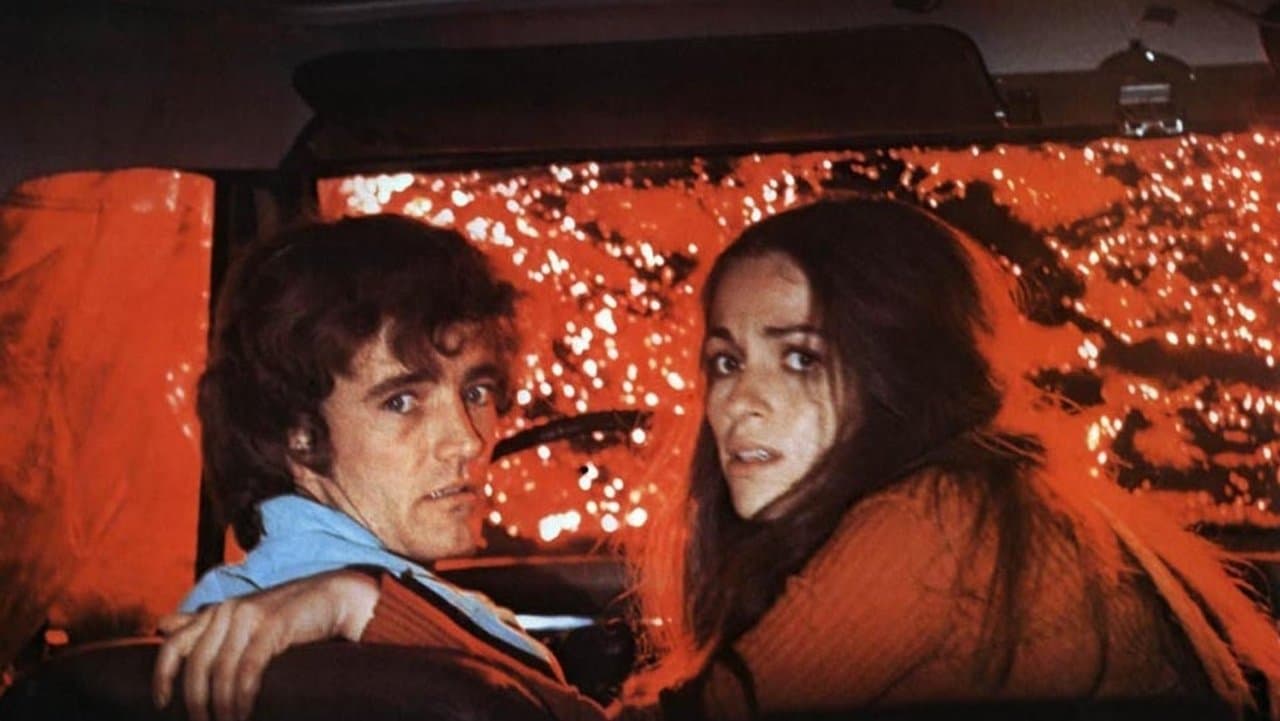
Beware! The Blob picks up the legacy of the 1958 creature feature by introducing a new threat: a frozen specimen of the original gelatinous monster, brought back from the North Pole by a research technician. When his wife accidentally defrosts the canister, the Blob escapes into the Los Angeles area—hungry, expanding, and completely indifferent to the social fabric of early 1970s suburbia. What follows is a collision between the creature and an oddly diverse cast of victims: hippies, cops, drunks, and bowlers all find themselves in the path of the expanding, consuming mass. The film doesn't take itself seriously, and that's either its greatest strength or its fatal flaw, depending on who you ask.
Behind the Making of Beware! The Blob
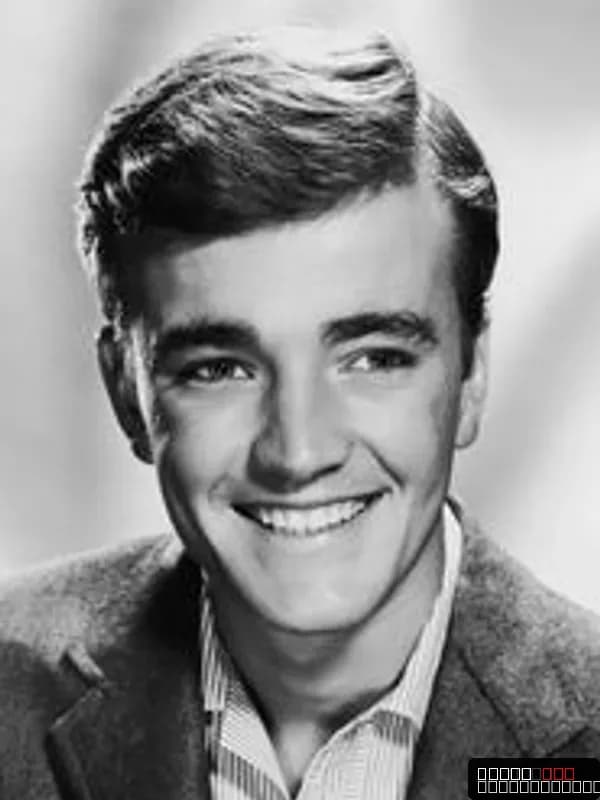
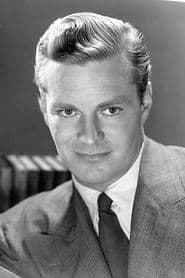
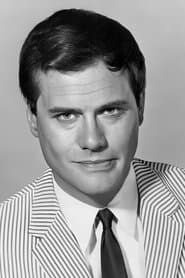
Director Larry Hagman—yes, the actor best known for Dallas—helmed this sequel as his feature directorial debut, a choice that set the tone for the film's campy, tongue-in-cheek approach to the material. The screenplay came from Anthony Harris and Jack Woods III, building on a story by Jack H. Harris and Richard Clair. Harris's production company, Jack H. Harris Enterprises, brought the project to life as an independent venture in 1972, operating well outside the mainstream studio system of the era. The MPAA originally slapped it with a PG rating—a decision that feels almost quaint now, given how much more permissive that rating was in the early seventies. Robert Walker Jr. and Gwynne Gilford anchor the cast as the main protagonists caught in the Blob's rampage, while Richard Webb rounds out the ensemble. Though the film didn't become a box office juggernaut, it carved out a place in the cult film landscape, the kind of movie that gets rediscovered by midnight-movie enthusiasts and genre fans who appreciate its willingness to treat the absurd with a wink. The runtime clocks in at a brisk 87 minutes—no padding, no pretense.
What Makes Beware! The Blob Stand Out
Here's the thing about sequels in the early 1970s: they didn't always respect the source material, and this one makes no apologies for swinging hard toward comedy. Where the original 1958 Blob played things straight and genuinely unsettling, Hagman's vision embraces the inherent ridiculousness of a creature that's essentially a giant, sentient mass of protoplasm consuming everything in its path. The performances walk a tightrope between sincerity and satire—Walker and Gilford commit fully to their roles even as the script winks at the camera, and that commitment is what keeps the film from collapsing into pure parody. What's striking is that this tonal gamble doesn't always land cleanly. Some viewers find the comedic beats sharp and the social satire (poking fun at hippie culture, small-town law enforcement, and suburban paranoia) genuinely clever. Others feel that the jokes undermine the monster's threat, that the film can't decide whether it wants to scare you or make you laugh—and that indecision becomes a liability rather than an asset. The creature itself, rendered practically with the limitations of 1972 effects work, has a certain practical charm that CGI would later erase. Critics have been divided on whether the film's 4.568 IMDb rating reflects its genuine shortcomings or simply the difficulty audiences have in accepting a horror-comedy that refuses to pick a lane.
Where to Stream Beware! The Blob Online
Beware! The Blob is currently available across major OTT services, making it easier than ever to revisit this cult oddity without hunting through specialty video rental shops. Movie OTT maintains an up-to-date tracker of where this title streams, so you can check the Where-to-Watch widget at the top of this page to see which platform has it available in your region right now. Streaming availability shifts regularly, so what's on one service today might migrate elsewhere next month—that's why Movie OTT's aggregation tool is worth bookmarking if you're serious about tracking down older genre films. The film's relatively short runtime makes it perfect for a late-night streaming session, and the campy tone means it's ideal viewing for a group of friends who don't mind laughing at what they're watching.
Frequently Asked Questions
Q: Who directed Beware! The Blob?
Larry Hagman, the actor famous for Dallas, made his feature directorial debut with this 1972 sequel. His background in television likely influenced the film's lighter, more comedic approach compared to the original 1958 Blob.
Q: Is Beware! The Blob a direct sequel to the 1958 film?
Yes, it's the official second film in the Blob franchise, released 14 years after the original. The screenplay acknowledges the events of the first film by bringing the creature back as a frozen specimen, effectively rebooting the threat for a new era.
Q: What's the runtime of Beware! The Blob?
The film runs 87 minutes, making it a lean, fast-paced entry that doesn't overstay its welcome despite the tonal inconsistencies some critics have noted.
Q: Why is Beware! The Blob rated so low on IMDb?
The 4.568 rating likely reflects divided audience opinion on the film's comedic approach to the horror-sci-fi premise. Fans of the original 1958 film sometimes feel the sequel undermines the creature's threat by treating it as a vehicle for satire rather than genuine scares.
Q: Where was Beware! The Blob filmed?
The film is set in the Greater Los Angeles area, and much of the action unfolds in that region, giving it a distinctly Californian 1970s flavor—hippie culture, suburban sprawl, and all.
Final Thoughts on Beware! The Blob
Beware! The Blob remains a fascinating artifact of early-seventies genre cinema—a film that swings for the fences and doesn't always connect, but never stops trying. It's the kind of movie that rewards patient, curious viewers willing to accept its contradictions. You won't find universal acclaim here, but you will find a creature feature that refuses to play by the rules. If you're a fan of cult horror-comedies or interested in how filmmakers experimented with tone during the 1970s, it's absolutely worth your time. Just don't expect the scares of the original.