




The story of Big Bad Love: a man at the bottom
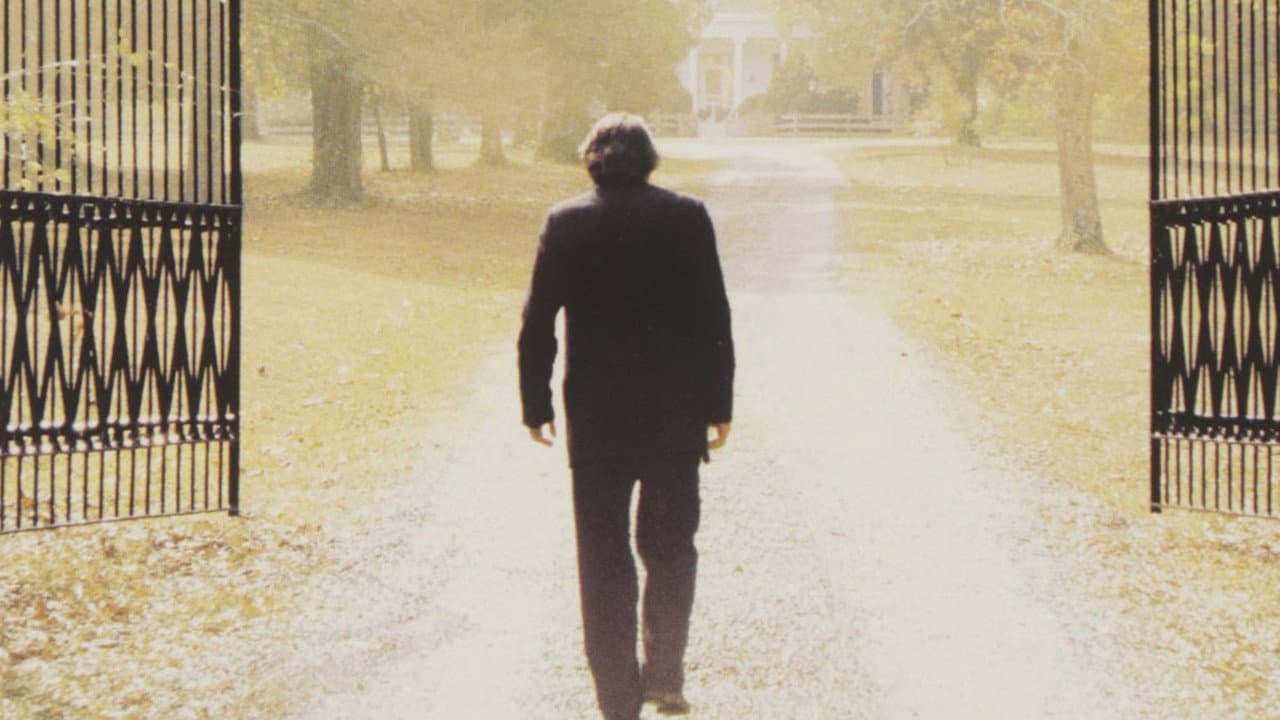
Big Bad Love tells the story of Leon Barlow, a Vietnam veteran trying to hold onto his dignity while everything—and I mean everything—falls apart. He's a writer by trade, though "writer" is generous when you're not writing much of anything. His ex-wife Marilyn won't let him see his kids without a fight. He owes money he doesn't have. And there's the drinking. Always the drinking. What starts as a portrait of a man scrambling to pay his alimony and catch a break becomes something darker: a meditation on how far someone can fall before something has to give.
The film, set in Mississippi, doesn't shy away from the mundane brutality of Leon's existence. This isn't a glossy redemption arc—it's messier, more human than that. When he does manage to get his finances in order, life doesn't suddenly improve. Instead, an unexpected tragedy upends everything he's managed to build, forcing Leon to confront what he's become and whether he's capable of change.
Behind the making of Big Bad Love: from short stories to screen
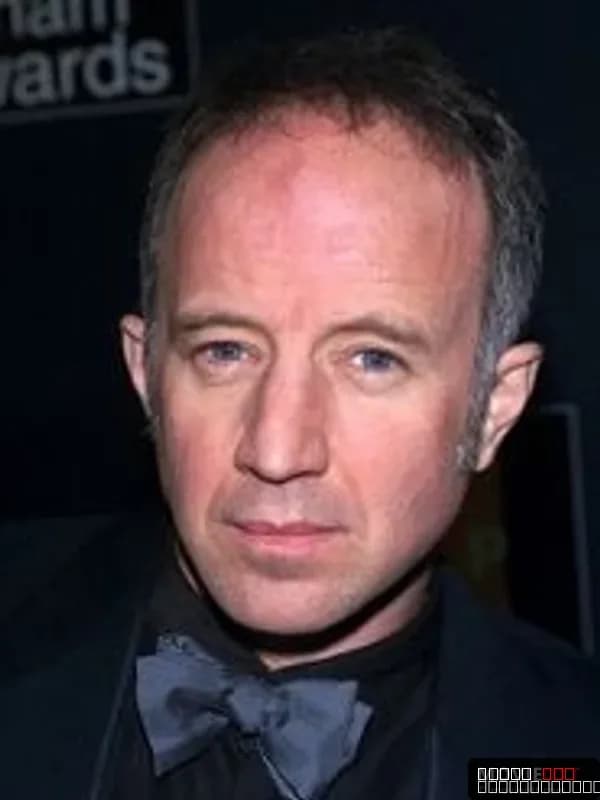
Big Bad Love emerged from an unusual creative partnership. Director and co-writer Arliss Howard adapted the film from a collection of short stories by Larry Brown, working alongside his brother James Howard on the screenplay. It was Howard's directorial debut—a bold choice for a first film, tackling such heavy subject matter. The decision to cast himself in the lead role of Leon Barlow might've felt risky, but it paid off; Howard brings an authenticity to the character that's hard to fake.
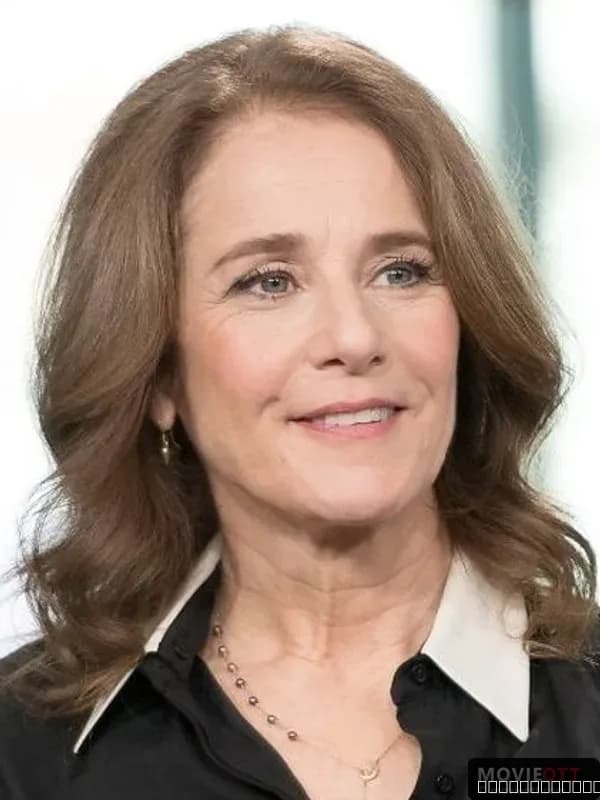
What's striking is the supporting cast Howard assembled. His real-life wife, Debra Winger, plays Marilyn, Leon's ex, and their on-screen chemistry—or rather, their palpable tension—grounds the film's domestic conflict. The soundtrack, featuring contributions from Tom Verlaine, the Kronos Quartet, and blues musician R.L. Burnside, adds texture without overwhelming the narrative. The film clocks in at 111 minutes, which gives it room to breathe; there's no rushing through Leon's decline.
The production came together through Sun Moon & Stars Productions and Big Bad Love LLC, indie outfits that allowed Howard creative control. While the film didn't set box offices on fire—it was always destined for a smaller audience—it found its footing on the festival circuit and eventually reached viewers through streaming platforms. At Movie OTT, you can track where this title currently streams across major services, since availability shifts seasonally.
What makes Big Bad Love stand out: performance and unflinching honesty
Here's what nobody really talks about with Big Bad Love: it refuses to make Leon likeable. That's the whole point. He's selfish, he's unreliable, he's a terrible father—not because he doesn't love his kids, but because he's too wrapped up in his own catastrophe to show up for them. Howard doesn't play him as a tragic hero; he plays him as a guy who's failing at the most basic human tasks.
Winger, too, resists the temptation to soften Marilyn into a sympathetic ex-wife. She's angry, protective of their children, and exhausted. Their scenes together crackle with resentment. I keep coming back to how the film captures the particular loneliness of being near someone you once loved and now can't stand. It's not melodramatic. It's just how these things actually feel—small arguments that balloon into bigger ones, conversations that go nowhere because both people are too hurt to listen.
The film's tone is its secret weapon. It moves between comedy and tragedy without announcing itself, the way life actually does. One moment Leon's trying to hustle some money; the next, he's sitting alone in a bar, and you're watching a man disappear into himself. That tonal flexibility—comedy bleeding into darkness—is what separates this from more conventional indie dramas. Critics on IMDb gave it a mixed 5.455/10, which tells you this isn't a crowd-pleaser. It's a film that demands patience and asks you to sit with discomfort.
Where to stream Big Bad Love online
Big Bad Love is available on major OTT services, and Movie OTT tracks current streaming availability so you don't have to hunt around. Depending on your region and subscription, you'll find it on various platforms—check the "Where to Watch" widget at the top of this page for real-time updates. Since streaming rights shuffle frequently, it's worth confirming before you settle in. The film's indie status means it doesn't have the guaranteed permanent home of a studio picture, so if you've been meaning to watch it, don't wait too long.
Frequently asked questions
Q: Who directed Big Bad Love?
Arliss Howard made his directorial debut with this film, also co-writing the screenplay with his brother James and starring as the lead character, Leon Barlow. It was an ambitious first project.
Q: Is Big Bad Love based on a true story?
No, but it's based on a collection of short stories by Larry Brown that draw from real human experience. Brown's work often captured the struggles of working-class Southerners, and that authenticity carries through to the film.
Q: Who stars in Big Bad Love?
Arliss Howard plays Leon Barlow, and his real-life wife Debra Winger plays his ex-wife Marilyn. Their relationship off-screen adds an extra layer of authenticity to their on-screen conflict.
Q: What's the runtime of Big Bad Love?
The film runs 111 minutes, giving it enough space to develop Leon's character and the various relationships that shape his downward spiral without feeling bloated.
Q: Where can I watch Big Bad Love?
Big Bad Love is available on major streaming platforms. Use the "Where to Watch" widget at the top of this page to see current availability in your region, as streaming rights vary.
Final thoughts on Big Bad Love: a film for patient viewers
Big Bad Love won't be for everyone. It's too slow, too bleak, too uninterested in easy answers for mainstream tastes. But if you're looking for a film that doesn't apologize for its characters' failures—that shows you a man at his worst and asks you to understand him anyway—it's worth your time. The performances are too good, the writing too honest, the setting too lived-in to ignore. Sometimes the best films are the ones that linger because they made you uncomfortable.