


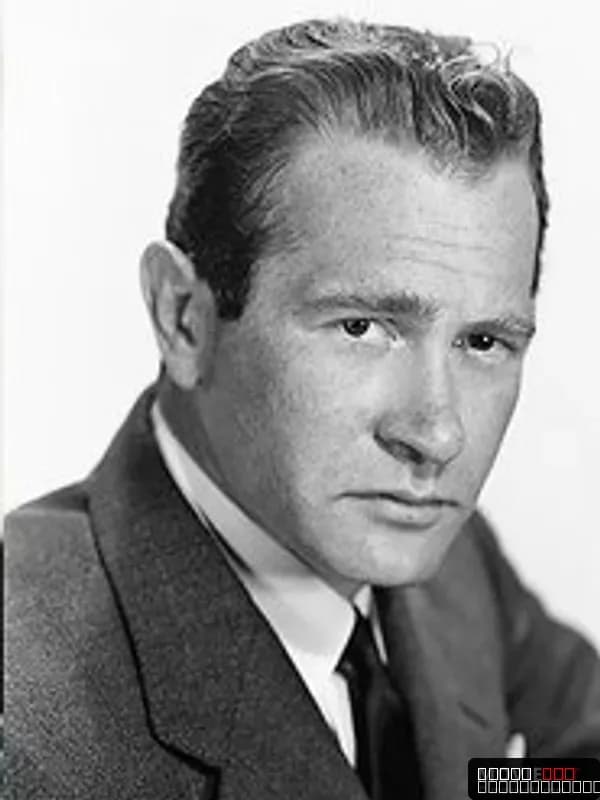


The Story of Billy Madison
Billy Madison tells the absurdly simple story of a 27-year-old man with more money than sense who decides to go back to school. Not college—all the way back to first grade. Adam Sandler plays Billy, the idle son of a wealthy businessman, who learns his father's massive fortune will only go to him if he completes his entire K-12 education and beats the current valedictorian in a final academic decathlon. It's a premise that shouldn't work. A grown man sitting in a classroom with children, doing multiplication tables and show-and-tell, competing for inheritance money—it's ridiculous. That's precisely why it works. The 1995 film doesn't apologize for its stupidity; it leans into it, weaponizes it, and somehow creates something genuinely memorable in the process.
Behind the Making of Billy Madison
Director Tamra Davis helmed Billy Madison with a cast that mixed Sandler's emerging star power with character actors who'd ground the absurdity. Bradley Whitford plays the antagonistic Principal Max Kellerman with a sneer that's become iconic, while Josh Mostel, Darren McGavin, and Norm Macdonald round out the ensemble with supporting turns that elevate the whole affair. The film was released on February 10, 1995, during a period when Sandler was still establishing himself beyond Saturday Night Live, and it grossed $25.6 million at the domestic box office—a solid return that signaled audiences were hungry for his particular brand of comedy. The picture earned a PG-13 rating, keeping it accessible to younger viewers (though the humor skews toward adults). Critics were far less kind: Metascore rated it 16/100, and Rotten Tomatoes gave it 40%, marking it as "Rotten." Still, the film picked up one award nomination, and more importantly, it became the kind of movie people quote at each other decades later. Box office success plus critical dismissal equals cult status—and Billy Madison owns that territory completely.
What Makes Billy Madison Stand Out
Here's the thing about Billy Madison that critics missed: it's genuinely funny in ways that don't depend on irony or winking at the audience. When Billy delivers his famous speech at the academic decathlon—the one where he admits he learned nothing and that his classmates have wasted their lives—there's real pathos buried under the comedy. Sandler's delivery isn't trying to be clever; he's just saying the words, and somehow that commitment to earnestness within absurdity is what lands. The film doesn't mock education so much as it mocks the idea that credentials matter more than actual growth, which—weirdly—is a more sophisticated observation than most comedies manage. What's striking is how the movie uses its supporting cast. Whitford's Principal Kellerman could've been a one-note villain, but he's given actual motivation and complexity; by the end, he's more sympathetic than you'd expect. Norm Macdonald's deadpan delivery as Billy's friend Carl, Darren McGavin's gruff father figure—these aren't throwaway roles. They're the scaffolding that holds up the central performance. Sandler himself is looser here than he'd become in later films, less reliant on his signature voice-change bits, more willing to play vulnerable. The film also commits to its visual gags: the imaginary penguin that appears when Billy's stressed, the seemingly random school events, the genuine chemistry between Sandler and Bridgette Wilson-Sampras (who plays the intelligent, patient Veronica). It's a comedy that trusts its audience to stay with it even when things get weird—and doesn't punish them for doing so.
Where to Stream Billy Madison Online
Billy Madison is available on major OTT services, and Movie OTT tracks exactly where you can watch it right now across Netflix, Prime Video, and other platforms. The "Where to Watch" widget at the top of this page shows current availability in your region, so you can jump straight to whichever service has it today (streaming catalogs shift constantly, after all). If you're hunting for it, Movie OTT's aggregator makes it simple to see which platform has the film without clicking through five different apps. The 89-minute runtime means it's an easy weeknight watch—short enough to fit into an evening without demanding a whole weekend commitment.
Frequently Asked Questions
Q: Is Billy Madison based on a true story?
No, it's entirely fictional. The premise—a wealthy man returning to school to inherit his father's fortune—is pure comedy invention with no real-world basis. Director Tamra Davis and the screenwriters created the concept specifically to explore how absurd the scenario could become.
Q: Who directed Billy Madison?
Tamra Davis directed the 1995 film. She brought a steady hand to what could've easily become a chaotic mess, instead crafting a comedy that balances its ridiculous premise with genuine character moments and surprising heart.
Q: What's that famous Billy Madison speech everyone quotes?
The most quoted moment comes during the final academic decathlon, when Billy delivers a rambling, emotional monologue about how he's learned nothing and that the entire education system is pointless. It's become endlessly referenced in pop culture because Sandler plays it with such sincere confusion.
Q: Why did critics hate Billy Madison if audiences loved it?
Critics in 1995 saw it as juvenile and stupid—which it is, intentionally. The film's refusal to apologize for its premise or explain itself away frustrated reviewers looking for broader social commentary. What critics missed was that the comedy works precisely because it commits so fully to its own absurdity, and there's an odd wisdom buried in that commitment.
Q: Is Billy Madison appropriate for kids?
It's rated PG-13, so technically yes for teens, but the humor is really geared toward adults. There's some language, mild sexual references, and concepts that'll go over younger viewers' heads. It's more of a "watch it with your older siblings or parents" kind of film.
Final Thoughts on Billy Madison
Billy Madison shouldn't be a cult classic. By every critical metric, it's a failure—a 40% on Rotten Tomatoes, a 16 on Metascore, the kind of film that makes serious critics sigh. Yet here we are, nearly thirty years later, and people still quote it, still rewatch it, still find something genuinely funny and oddly touching about a grown man sitting in elementary school. That's not a small thing. It suggests that sometimes what resonates with audiences matters more than what impresses critics, and that sincerity—even sincerity in service of complete stupidity—has its own kind of power. If you haven't seen it, or if it's been years, it's worth revisiting. You'll probably laugh at moments you didn't expect to, and you might find yourself thinking about it longer than you'd like to admit.