The Story of Black Like Me
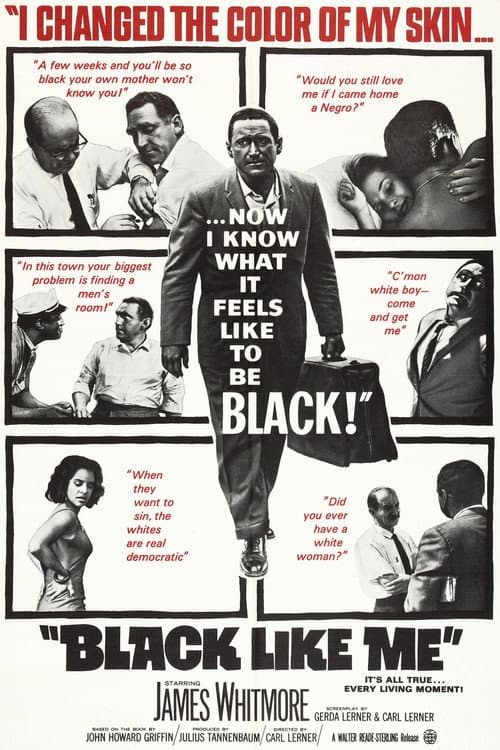
Black Like Me isn't your typical historical drama—it's a direct adaptation of one man's radical act of journalism. In 1959, journalist and author John Howard Griffin did something that sounds almost unthinkable now: he used a combination of medication and stain to darken his skin and spent six weeks living as a Black man in Louisiana, Mississippi, Alabama, and Georgia. The film captures his journey through the Jim Crow South, a journey that wasn't academic or detached but visceral, immediate, and deeply personal. What emerges isn't a neat narrative arc but rather a series of encounters—conversations, rejections, moments of kindness and cruelty—that pile up to reveal the machinery of segregation from the inside. The tagline says it all: "It's All True...Every Living Moment!" This isn't speculation or interpretation. It's documentary filmmaking wearing a drama's clothes.
Behind the Making of Black Like Me
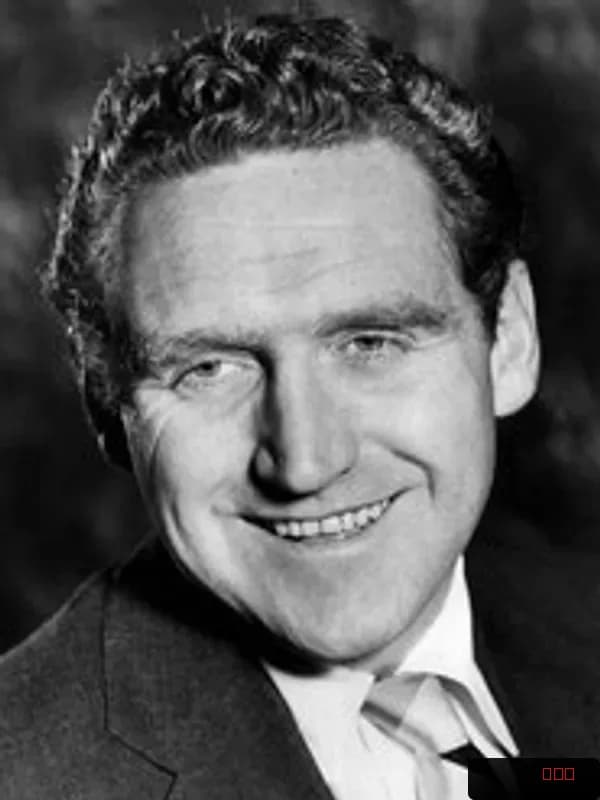
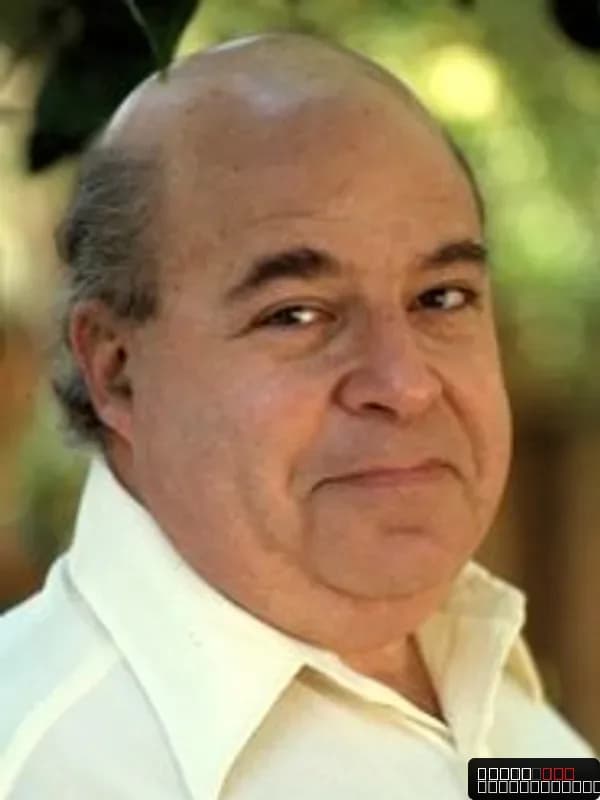
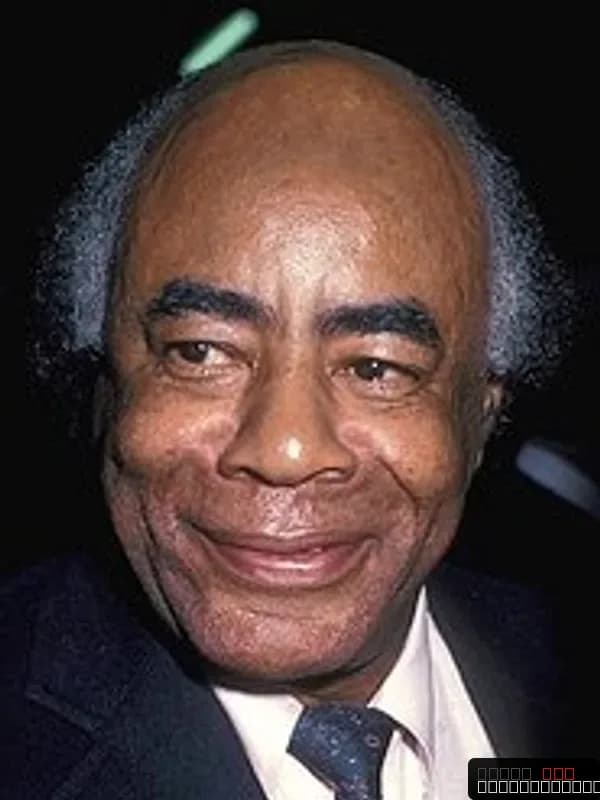
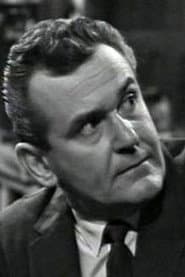
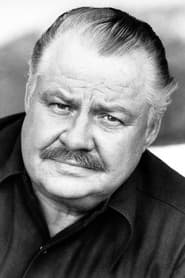
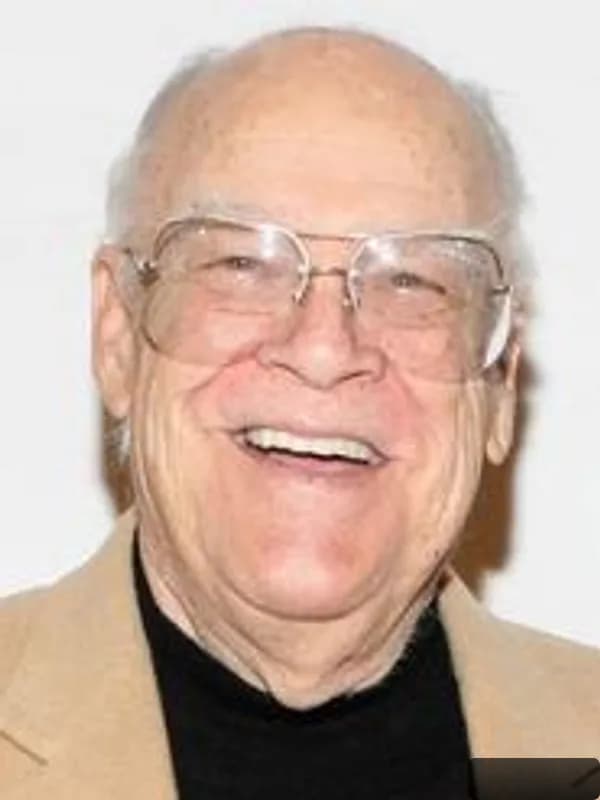
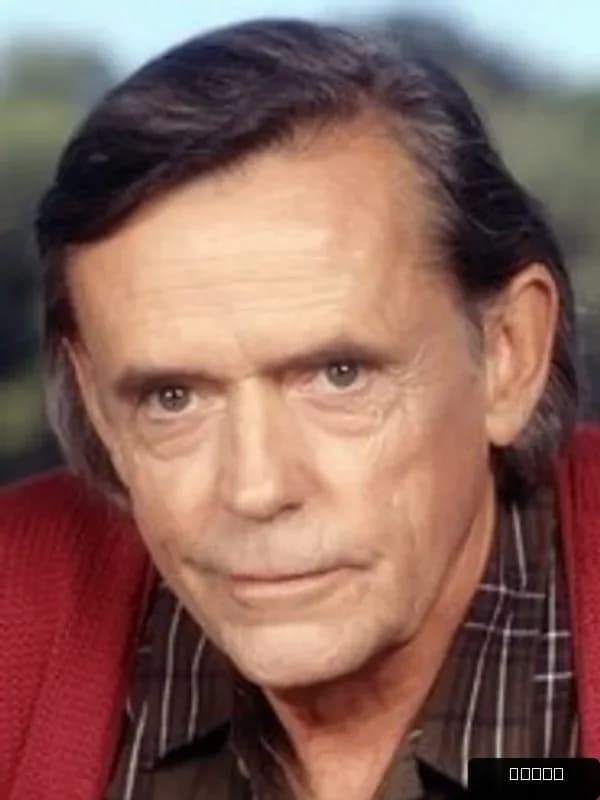
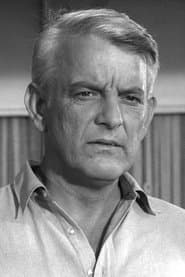
Director Carl Lerner and his wife Gerda Lerner adapted Griffin's 1961 bestselling book for the screen, a project that required both courage and restraint. The film stars James Whitmore as Griffin, alongside Sorrell Booke and Roscoe Lee Browne in supporting roles. Whitmore, known for his work in television and film, carries the weight of the narrative—his face becomes the lens through which we experience the South's casual brutality and occasional grace. The production landed in theaters in 1964, just as the Civil Rights Act was being signed into law, timing that gave the film an urgent relevance it might otherwise have lacked. While the film didn't become a box-office juggernaut, it found its audience among those hungry for unflinching accounts of American racism. For those tracking where this film sits in the cultural conversation, Movie OTT aggregates current streaming availability, making it easier to find titles tackling difficult historical subjects. The film's 105-minute runtime doesn't feel padded—every scene earns its place, though the pacing can feel deliberate, almost uncomfortable, which is precisely the point.
What Makes Black Like Me Stand Out
What's striking about this film—and what separates it from so much racial commentary that came before or after—is that it refuses easy catharsis. Whitmore's Griffin isn't a white savior who swoops in to fix things; he's a man genuinely rattled by what he's experiencing, his assumptions dismantled day after day. There's a moment early on where he realizes that the rules of segregation aren't abstract—they're enforced through a thousand small humiliations, each one a brick in an enormous wall. The supporting cast, particularly Roscoe Lee Browne, brings authenticity and depth to characters who could've been reduced to types. I keep coming back to the film's refusal to offer Griffin a comfortable exit. He can wash the stain off, but the knowledge doesn't wash away. That's the real horror. Critics have noted the film's documentary-like quality; it doesn't sentimentalize or manipulate. Instead, it trusts the material to speak. The IMDb rating of 6.2/10 might seem modest, but that score reflects something honest—this isn't entertainment in the traditional sense. It's testimony. Movie OTT's streaming guides note that this title appears on major platforms, and there's a reason: it's become essential viewing for anyone wanting to understand how one person's willingness to be uncomfortable can illuminate systemic injustice.
How to Watch Black Like Me Online
If you're looking to stream Black Like Me, the film's available on major OTT services—check the "Where to Watch" widget at the top of this page for current availability in your region. Streaming platforms rotate titles regularly, so what's available today might shift next month, but this particular film has maintained steady presence across the major services because of its historical and educational value. The 105-minute runtime makes it a manageable evening commitment, though you'll want to go in ready to sit with some difficult material. Movie OTT tracks these availability changes in real time, so if you don't see it on your preferred platform right now, it's worth checking back.
Frequently asked questions
Q: Is Black Like Me based on a true story?
Yes. The film is adapted from journalist John Howard Griffin's 1961 memoir of the same name, which documents his actual six-week experience passing as a Black man in the Deep South in 1959. Every major event in the film is drawn from Griffin's real experiences and observations.
Q: Who directed Black Like Me?
Carl Lerner directed the film, with Carl and Gerda Lerner co-writing the screenplay. This was a significant project for Lerner, bringing a delicate and serious approach to Griffin's powerful source material.
Q: What year was Black Like Me released?
The film came out in 1964, just months after the Civil Rights Act was signed into law, which gave it particular cultural resonance at the time of its theatrical release.
Q: How long is Black Like Me?
The film runs 105 minutes, a runtime that allows the story to unfold without rushing through Griffin's encounters and realizations in the segregated South.
Q: Who stars in Black Like Me?
James Whitmore leads the cast as John Griffin, with notable supporting performances from Sorrell Booke and Roscoe Lee Browne. Whitmore's understated performance anchors the film's documentary-like tone.
Final Thoughts on Black Like Me
Black Like Me isn't a comfortable watch—and that's entirely the point. It's a film that refuses to let you off easy, that demands you sit with the reality of systemic racism without offering neat resolution or redemptive arcs. Sixty years later, that refusal still feels radical. If you're looking for historical drama that prioritizes truth over sentiment, this is essential viewing. Check your preferred streaming service through Movie OTT's platform tracker to find it.