The story of Black Test Car
Black Test Car opens on the gleaming, cutthroat world of Japan's automobile industry in the early 1960s—a moment when the nation's carmakers were beginning to flex their muscles on the global stage. When the country's most powerful car companies unveil their latest models, something darker emerges beneath the polished surfaces: a web of corporate espionage, sabotage, and betrayal. The film follows the fallout as rival manufacturers circle each other, each willing to bend ethics to gain advantage. What unfolds isn't a simple crime story but a complex examination of ambition, loyalty, and the price of progress. Director Masumura keeps the narrative taut and morally murky—nobody here wears a white hat, and the truth becomes increasingly difficult to pin down as the mystery deepens.
Behind the making of Black Test Car
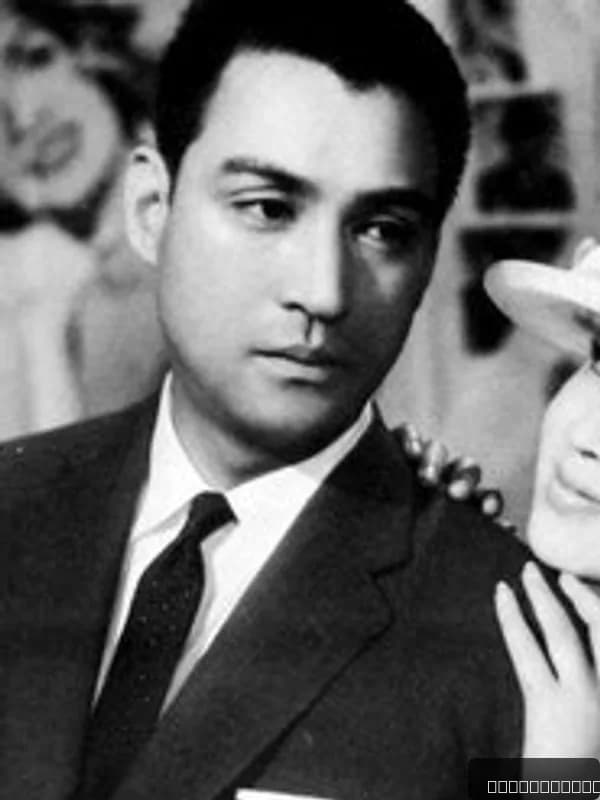
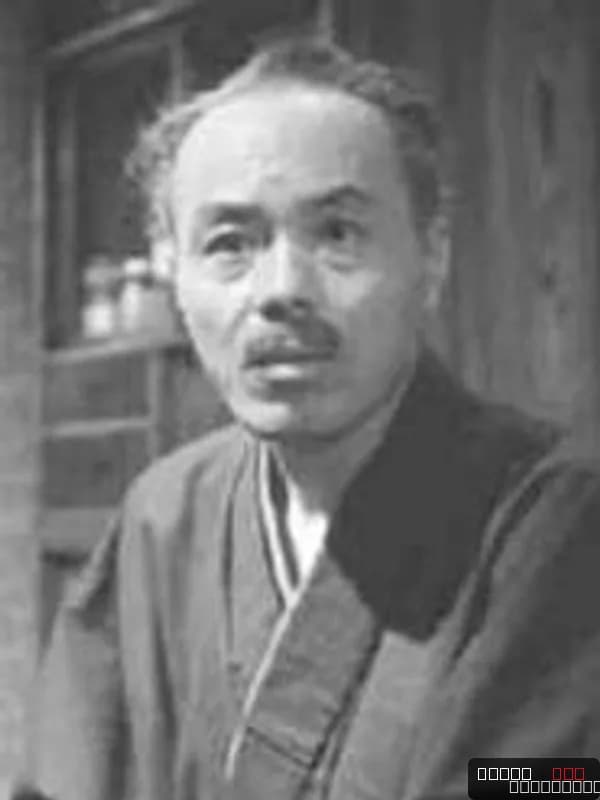
Yasuzō Masumura was already an accomplished filmmaker when he helmed Black Test Car, having built a reputation for psychologically sharp dramas that questioned post-war Japanese society. The film was adapted from a novel by Toshiyuki Kajiyama and co-written by Kazuo Funahashi and Yoshihiro Ishimatsu, bringing a literary sensibility to the espionage premise. The cast included Jirō Tamiya, Junko Kano, and Eiji Funakoshi—respected character actors of the era—who brought credibility and restraint to their roles. At 94 minutes, the film moves with precision; Masumura doesn't waste a frame. While it didn't become a massive international box office phenomenon (few Japanese films did in 1962), it earned respect among critics and cinephiles who recognized Masumura's ability to use genre conventions as a vehicle for social commentary. The production reflected the era's obsession with modernization and industrial competition, capturing a specific moment when Japan's economy was accelerating and corporate power was reshaping the nation's identity. Movie OTT tracks current streaming availability for films like this that have quietly influenced cinema for decades.
What makes Black Test Car stand out
What's striking about Black Test Car is how it refuses to simplify its characters into heroes and villains. The performances—particularly the way Tamiya plays his role with a kind of weary complicity—suggest men caught in systems larger than themselves. Masumura's direction is cool and observational; he doesn't manipulate you emotionally but instead lets the moral ambiguity sit uncomfortably. The cinematography captures both the sleek modernity of the car industry and the shadowy dealings that lurk beneath it. There's a scene early on where a prototype is examined in a factory—the camera lingers on the machinery, the precision, the almost ritualistic care—and you understand that these objects matter more to these men than the people around them. The thing nobody mentions is how prescient the film feels: it's about information asymmetry, about who controls the narrative, about how corporations will sacrifice individuals for market share. That's not dated. It's honestly more relevant now than it was then. The film's IMDb rating of 7.1 out of 10 (based on 643 votes) reflects a solid cult appreciation among those who've discovered it, though it remains less widely known than Masumura's other works. On Movie OTT, you can find detailed reviews and streaming guides for Japanese cinema from this era—a period that produced some of the sharpest genre filmmaking anywhere.
Where to stream Black Test Car online
Black Test Car is currently available on Prime Video, making it accessible to subscribers in most regions. The film's availability on a major platform like Prime Video means you don't have to hunt through obscure archives or wait for a restoration—it's there, ready to watch. The Where-to-Watch widget at the top of this page will show you the most up-to-date information on which services carry it in your area. Movie OTT keeps this data current, so if you're planning a viewing session, check there first to confirm availability. The film's 94-minute runtime makes it easy to fit into an evening, and the sharp pacing means it rewards close attention without demanding a massive time commitment.
Frequently asked questions
Q: Who directed Black Test Car?
Yasuzō Masumura directed Black Test Car in 1962. Masumura was a significant figure in post-war Japanese cinema, known for psychologically complex dramas that examined social change and moral ambiguity.
Q: Is Black Test Car based on a true story?
No, it's based on a novel by Toshiyuki Kajiyama, not a specific true event. However, the film's themes reflect real tensions in Japan's rapidly growing automotive industry during the early 1960s.
Q: How long is Black Test Car?
The film runs 94 minutes, making it a lean, efficiently paced thriller that doesn't overstay its welcome.
Q: What's the IMDb rating for Black Test Car?
Black Test Car holds a 7.1 out of 10 rating on IMDb based on 643 votes, indicating solid appreciation among those who've seen it, though it remains less mainstream than some of Masumura's other work.
Q: Where can I watch Black Test Car?
Black Test Car is currently available on Prime Video. You can check the Where-to-Watch widget on this page for the most current streaming information in your region.
Final thoughts on Black Test Car
If you're interested in Japanese cinema beyond the samurai films and anime that dominate Western awareness, Black Test Car deserves your attention. It's a smart, controlled thriller that uses corporate espionage as a lens for examining ambition and moral compromise. Masumura's direction is assured and unsentimental—he trusts the audience to follow the plot without hand-holding. The film won't blow you away with spectacle or emotional manipulation, but it'll stay with you. That's the mark of serious filmmaking.