
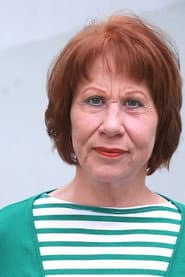
Blibsi + Freund*innen machen ein Festlandabenteuer
A short film about learning to say no
Blibsi + Freund*innen machen ein Festlandabenteuer is a 9–11 minute drama from HFF München (Germany's Hochschule für Fernsehen und Film) about a young character who travels to the mainland with friends and discovers something most of us learn the hard way: it's okay to refuse.
Directed by Mori Emma Möhwald and produced in 2025, the film doesn't treat this as a tidy lesson. It's messier than that. The mainland becomes a space where Blibsi's usual social scripts stop working — where saying no actually costs something, and where that cost matters enough to notice.
If you're drawn to short European cinema that trusts its audience, or you've got kids who need to see a character learning boundaries without the heavy-handed message, this one's worth the 15-minute investment.
Where to watch it right now
The film is available on major streaming platforms, though short-film availability shifts fast — it can vanish from one service and pop up on another without warning. Check the Where to Watch widget at the top of this page for current regional availability in your country.
Movie OTT's platform tracker aggregates streaming data across Europe and North America, so if it's moved to a new service this week, that's where you'll see it first. Short films especially tend to have narrower windows than features — they come and go based on festival licensing and institutional partnerships — so if it's live somewhere today, that widget will tell you which platform.
What makes this film different
What strikes me about the premise is how it avoids the obvious version of this story. Blibsi doesn't travel to the mainland to find herself or to learn a lesson from a wise mentor. She goes with friends — people she already knows, people whose expectations already shape what she does. That's the harder version.
The title's use of the gender-inclusive asterisk (Freund*innen instead of the traditional Freunde or Freundinnen) signals that Möhwald isn't making a small, quiet film about one particular identity. It's a deliberate choice in German orthography, quietly political, and it tells you something about what the director cares about: specificity without narrowing the door. These are Blibsi's friends, whoever Blibsi is.
At HFF München, student and emerging filmmakers tend to work with a kind of formal confidence — they trust the image, they trust the performance, they don't overexplain. All signs point to that here. No critic reviews have surfaced yet (short films rarely get formal reviews until they hit wider distribution), and there's no IMDb audience rating, which is typical for work that's still circulating through festivals. That'll likely change as the film finds its way onto streaming platforms that track user scores.
The production context
HFF München alumni work across international festivals and broadcast commissions. Möhwald's short sits squarely in that tradition — a serious entry in a school known for nurturing dramatic work that doesn't shy away from emotional risk.
Here's where it gets a little messy: the runtime discrepancy. HFF München lists it as 11 minutes, while the BKJFF archive (which tracks children's and youth film in Germany) records it as 9 minutes. Hard to say if that reflects a cut between festival submissions or just a data inconsistency between institutions — but it's the kind of minor mystery that follows short films around.
The 2026 release date in the canonical listing refers to distribution or archival registration, not production. The film was made in 2025, within the HFF program. No box-office figures exist — this isn't a theatrical release — and no awards have been publicly confirmed yet, though the BKJFF connection suggests it's being considered in youth-oriented programming contexts, which tracks with the subject matter.
Why you've probably never heard of it (and why you should)
Short films have a distribution problem. They don't get marketing budgets. They don't trend on social media. They live in archives, festival programs, and increasingly on platforms like Movie OTT that specialize in tracking emerging work as it migrates from circuits to streaming.
If you liked films about social pressure and the quiet courage it takes to set a boundary — think Girlhood (Céline Sciamma) or even the emotional precision of early Studio Ghibli shorts — you'll recognize what Möhwald's doing here. The mainland isn't just geography. It's the moment when you realize your friends' expectations don't have to become your rules.
The film runs under 12 minutes. That's not a limitation. That's the whole point. Möhwald doesn't waste a frame. She gets in, finds the pressure point, and gets out. You'll know what the film is about within the first two minutes. What it'll do to you takes longer.
Frequently asked questions
Q: Who made this?
Director Mori Emma Möhwald, produced through HFF München.
Q: How long is it?
9–11 minutes depending on the version. Either way, it's short. (The runtime discrepancy between HFF's listing and BKJFF's archive remains unexplained.)
Q: Is it for kids?
It's programmed in youth film contexts, but it doesn't talk down to young viewers. It's more accurate to say it's about a young person navigating social pressure. Older teens and adults will connect with it too.
Q: Where can I actually watch it?
The widget above shows current availability. If that doesn't load cleanly on your device, head to Movie OTT, search the title, and you'll get all active platforms for your region.
Q: Is it based on a true story?
No public information suggests that. It's original fiction developed within the HFF program.
What to do next
Don't overthink it. Check the Where to Watch widget above. If it's live somewhere in your region right now, it'll show you. If it's not, set a reminder — short films pop onto new platforms constantly as institutional partnerships shift. Movie OTT's tracker catches those moves, so you won't miss it.
The film's under 15 minutes. Even if it doesn't land perfectly, you haven't lost much. But if it does — if you watch Blibsi figure out how to say no to people she cares about — you'll remember it. That's what short films do when they're made right.