
The story of Blood and Sand: ambition in the bullring
Blood and Sand tells the story of Juan Gallardo, an aspiring bullfighter determined to escape his humble village roots and become a star of the arena. When he finally achieves fame and fortune, he's drawn into the dangerous orbit of the glamorous socialite Dona Sol—a woman who represents everything his faithful childhood sweetheart Carmen is not. What follows is a classic triangle of desire, duty, and the unforgiving consequences of choosing passion over loyalty. The film doesn't shy away from the real danger lurking beneath the spectacle of the bullring, where death waits with every pass of the cape.
Behind the making of Blood and Sand: a Technicolor spectacle
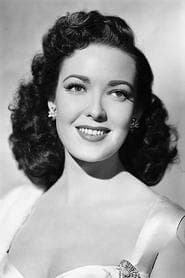
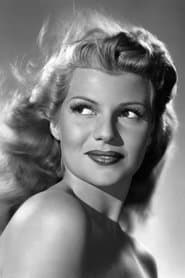
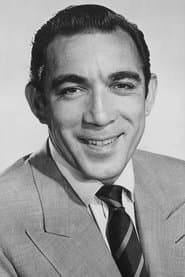
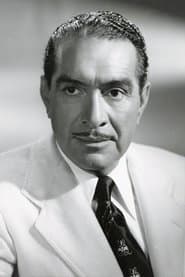
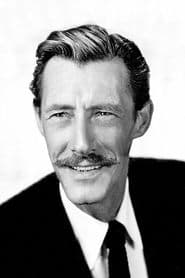
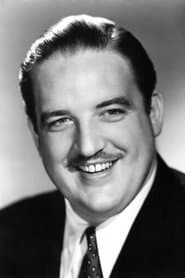
Directed by Rouben Mamoulian, Blood and Sand was produced by 20th Century Fox and represents a significant investment in prestige filmmaking during Hollywood's golden age. The 1941 film ran 125 minutes—substantial for its era—and was shot in vivid Technicolor, a process still relatively uncommon and expensive at the time. The source material came from Vicente Blasco Ibáñez's 1908 Spanish novel of the same name, a literary work with genuine pedigree that gave the project cultural weight. The cast assembled was nothing short of star-studded: Tyrone Power carried the lead, while Rita Hayworth (whose singing voice was actually dubbed by Gracilla Pirraga) played the seductive Dona Sol with magnetic charisma. The supporting ensemble included Anthony Quinn, Laird Cregar, Lynn Bari, J. Carrol Naish, John Carradine, and a young George Reeves—actors who'd go on to substantial careers themselves. Cregar in particular became known for scene-stealing turns, and this film was no exception. The production values are evident in every frame, from the meticulously staged bullfighting sequences to the ornate Spanish settings that transport you directly into Gallardo's world.
What makes Blood and Sand stand out: passion and performance
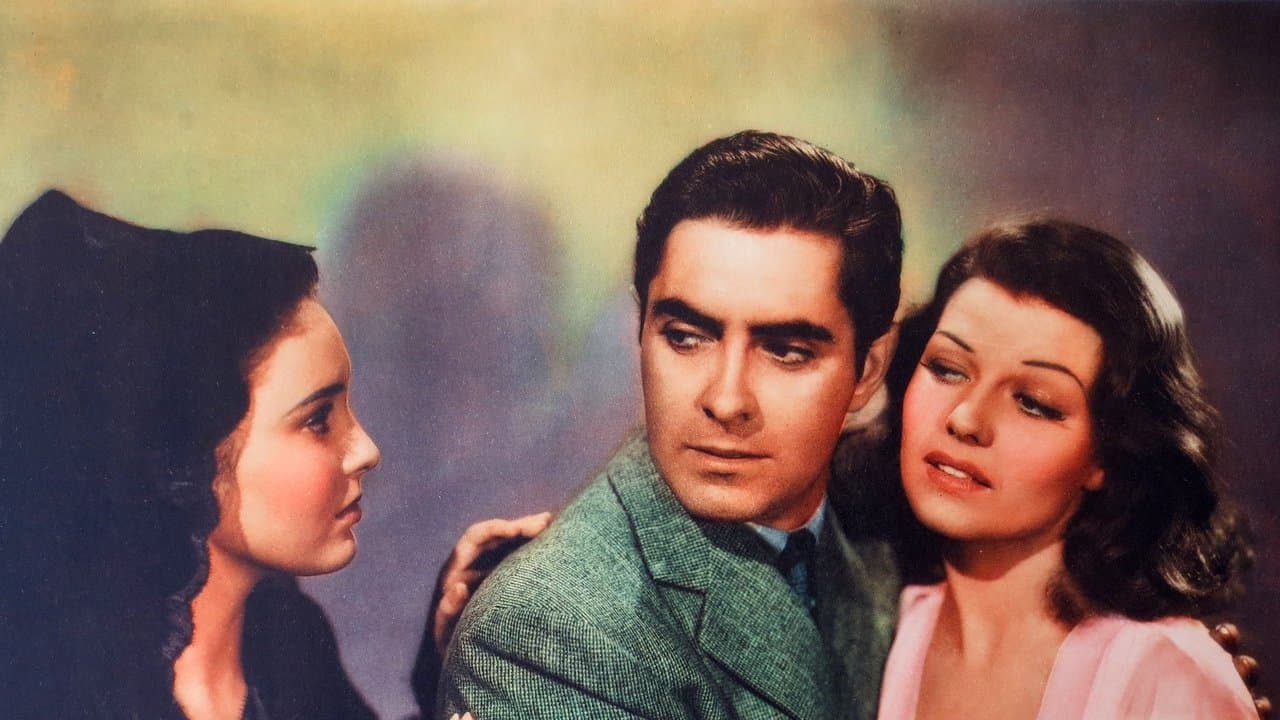
What's striking about Blood and Sand is how it refuses to let anyone off the hook morally. Power's Gallardo isn't a villain, but he's not entirely sympathetic either—he's a man intoxicated by success and the attentions of a beautiful, dangerous woman, and we watch him make choices that hurt people who love him. The performances anchor the film in genuine emotional territory, especially when you consider that Power had to carry the weight of an increasingly unsympathetic character while remaining compelling enough to hold our attention. There's a scene early on where a critic (Cregar's "Curro") tears apart Gallardo's bullfighting prowess, and the humiliation stings—it's the kind of moment that drives men to prove themselves, often badly. Rita Hayworth brings a knowing, predatory elegance to Dona Sol; she's not written as a villain either, just as a woman who takes what she wants without apology. Linda Darnell's Carmen, by contrast, embodies quiet suffering—the girl left behind—and that contrast between the two women gives the love triangle real texture. The Technicolor cinematography doesn't just look beautiful; it makes every emotional beat more vivid, more urgent. Reds bleed into the frame during the bullfighting sequences. Golds and jewel tones dominate the scenes of seduction. The film's visual language matches its emotional one.
Critical reception was mixed, and honestly, that's fair. Some viewers find the pacing uneven after the first hour, and the film doesn't always know whether it wants to be a character study or a spectacle. But what can't be disputed is the craft on display—Mamoulian was a director who understood how to use color and movement, and you feel his hand throughout. The bullfighting sequences, in particular, still hold up because they're shot with genuine tension rather than obvious fakery.
Where to stream Blood and Sand online
Blood and Sand is available on major OTT services, and Movie OTT tracks its current streaming availability across platforms so you can find it wherever it's currently being offered. The film's visual splendor really benefits from a good streaming quality—Technicolor from this era is worth watching on the best screen you've got access to. Since it's a 1941 picture, availability can shift depending on licensing agreements, so it's worth checking the Where to Watch widget at the top of this page to confirm where it's streaming right now in your region.
Frequently asked questions
Q: Is Blood and Sand based on a true story?
No, it's based on the 1908 Spanish novel by Vicente Blasco Ibáñez, a work of fiction. While bullfighting is real and the film captures authentic elements of the sport, the story of Juan Gallardo and his romantic entanglements is entirely invented.
Q: Who directed Blood and Sand?
Rouben Mamoulian directed the film for 20th Century Fox. Mamoulian was known for his sophisticated use of color and camera movement, and both are on full display here.
Q: Why was Rita Hayworth's singing voice dubbed?
Gracilla Pirraga provided the dubbed singing voice for Hayworth's character. This was a common practice in Hollywood during the 1940s when studios wanted to ensure the highest vocal quality for musical numbers.
Q: How long is Blood and Sand?
The film runs 125 minutes, which was a substantial runtime for 1941. It's not a quick watch, but the pacing generally justifies the length.
Q: What's the IMDb rating for Blood and Sand?
The film holds a 6.5 out of 10 on IMDb, reflecting mixed audience reactions. Some viewers find it a gorgeous, compelling drama; others feel it loses momentum in its second half.
Final thoughts on Blood and Sand
Blood and Sand won't work for everyone. It's a film of its era—sometimes melodramatic, occasionally slow, and built around romantic and professional conflicts that don't always feel urgent to modern audiences. But if you appreciate golden-age Hollywood craftsmanship, stunning Technicolor cinematography, and performances that feel grounded even when the material gets theatrical, it's absolutely worth your time. Tyrone Power gives one of his most complex performances, and the supporting cast elevates every scene they're in. It's a film about the seductive danger of ambition, and that theme never really goes out of style. Give it a shot—especially if you can watch it on a platform where the color grading does justice to Mamoulian's vision.