



What Bloody Daddy is really about
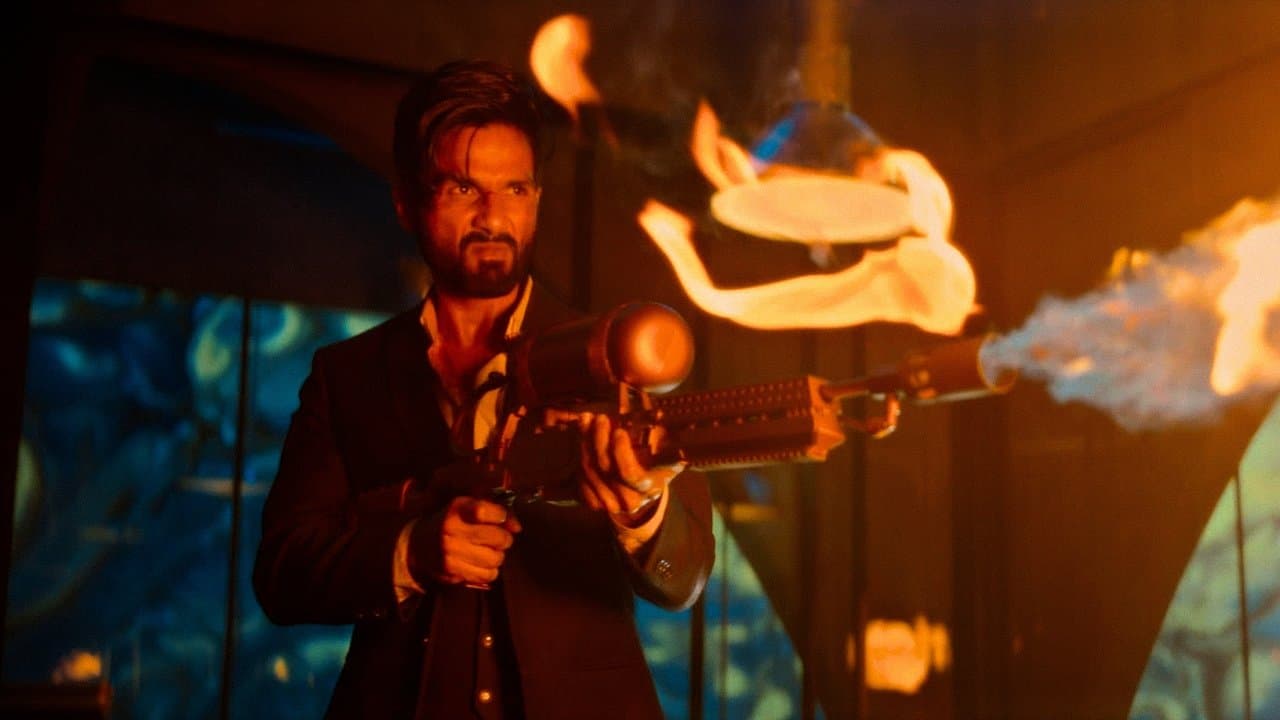
Bloody Daddy centers on Sumair Azad, a morally compromised police officer who makes a catastrophic choice. He and his friend Jaggi steal a cocaine shipment from Sikandar Chowdhary, a kingpin with the kind of power that reaches into every corner of the city. The theft isn't just a crime—it's a declaration of war. Sikandar's response is swift and personal: he kidnaps Sumair's son, setting in motion a night that won't end until blood's been spilled and alliances have shattered. But here's where things spiral. Sikandar loses the cocaine bag in the chaos, and suddenly everyone's hunting everyone else: drug lords, murderous narcs, straight cops, and crime bosses all converging on one fateful night. It's the kind of setup where every choice gets worse, and the only way out is through.
Behind the making of Bloody Daddy
Bloody Daddy arrives as a remake of the 2011 French film Sleepless Night, directed by Ali Abbas Zafar, who co-wrote the screenplay with Aditya Basu and the writing duo Siddharth–Garima. The film was produced by a heavyweight consortium: Jio Studios, AAZ Films, Offside Entertainment, and The Vermillion World. What's interesting about this production is the deliberate choice to transplant a European crime narrative into the gritty landscape of Gurugram—a city that's become synonymous with high-stakes criminal enterprise in Indian cinema.
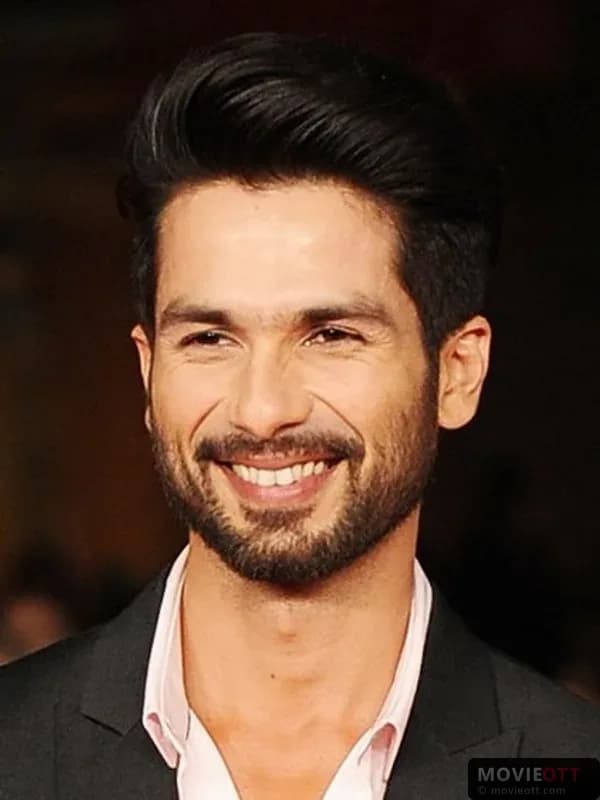
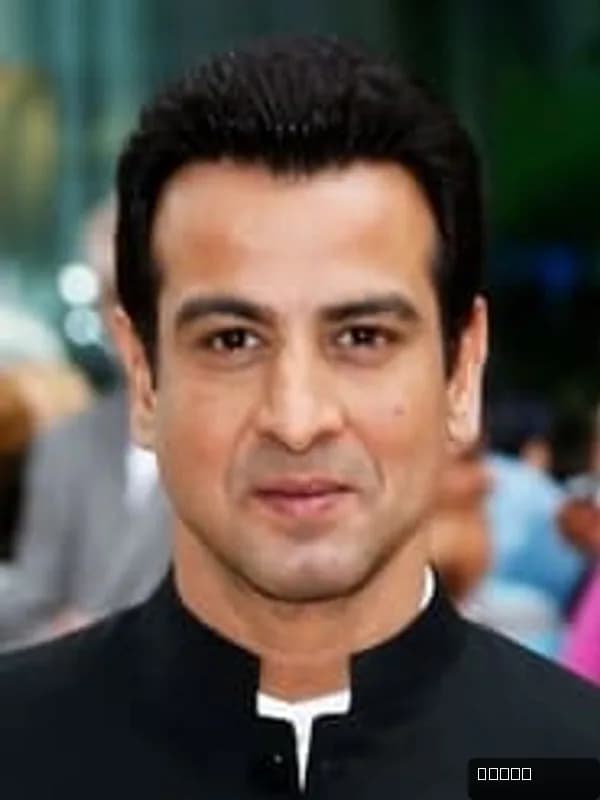
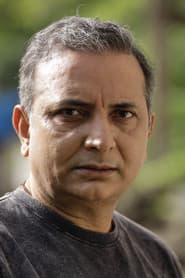
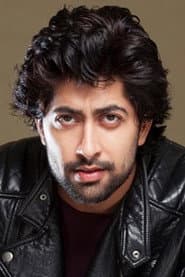
The cast carries serious pedigree. Shahid Kapoor, fresh off a string of acclaimed roles, anchors the film as Sumair. He's supported by Sanjay Kapoor, Diana Penty, Ronit Roy, Rajeev Khandelwal, Ankur Bhatia, and Vivan Bhatena—a roster that suggests ambition beyond the typical action-thriller template. The film clocked in at 122 minutes, giving the narrative room to breathe even as the pressure mounts. Since its 2023 release, Bloody Daddy has accumulated 4 wins and 20 nominations across various award circuits, signaling that the industry recognized something worthwhile in Zafar's adaptation, even if mainstream audiences remained divided. On IMDb, it holds a 6.5/10 rating from over 23,000 votes—solid enough to indicate engagement, though not quite reaching the stratosphere of universal acclaim.
Why Bloody Daddy works as a crime thriller
What's striking about Bloody Daddy is how it refuses to let Sumair be a simple anti-hero. He's compromised, yes—he's a cop on the take, willing to steal from a drug lord—but the film doesn't ask us to root for him despite his corruption. Instead, it traps us alongside him, watching a man's desperation metastasize into something uglier with every passing hour. That's the engine of the film: not moral clarity, but moral suffocation.
The remake framework actually works in its favor here. Rather than trying to build something entirely new, Zafar and his co-writers understood what made Sleepless Night effective—the relentless pressure-cooker pacing, the way informational scraps become life-or-death currency—and transplanted it into a milieu that's distinctly Indian, distinctly contemporary. The Gurugram setting isn't just window dressing; it's a character unto itself, a city where old money, new crime, and institutional corruption bleed together in ways that feel urgent and lived-in.
Shahid Kapoor's performance is the spine holding all this together. There's a weariness to how he carries Sumair, a sense that this man's already been broken in ways that have nothing to do with tonight's violence—and tonight's just the moment where it all comes due. The supporting cast orbits his desperation effectively, with each actor bringing texture to what could've been stock villain or cop roles. Movie OTT has made it easy to track how films like this one navigate the streaming landscape, and Bloody Daddy's journey across platforms speaks to the appetite for grittier, less sanitized thrillers.
Where to stream Bloody Daddy online
Bloody Daddy is currently available on major OTT services—the exact platforms are listed in the "Where to Watch" widget at the top of this page, which updates in real-time as streaming rights shift. Rather than assuming you know which service carries what, Movie OTT's tracking system shows you exactly where to find it in your region, eliminating the frustration of hunting across six different apps. Whether you're a subscriber to the usual suspects or you're looking for where it dropped most recently, the widget's got you covered. It's one of those films that rewards the bigger screen you can manage—the action sequences and the urban cinematography benefit from actual visual real estate, not a phone screen.
Frequently asked questions
Q: Is Bloody Daddy based on a true story?
No, it's not based on true events. However, it is a remake of the 2011 French film Sleepless Night, which was an original screenplay. The filmmakers adapted that story to an Indian setting and context, creating a new narrative that explores similar themes of crime and desperation.
Q: Who directed Bloody Daddy?
Ali Abbas Zafar directed the film and co-wrote it alongside Aditya Basu and the writing team Siddharth–Garima. Zafar's known for his work in action cinema, and this project represents his venture into the crime-thriller space.
Q: What's the runtime of Bloody Daddy?
The film runs 122 minutes, giving the story enough breathing room to develop its various criminal factions and the central character's crisis across a single, pressure-filled night.
Q: How was Bloody Daddy received by critics and audiences?
The film earned 4 wins and 20 nominations across award circuits, indicating industry recognition. On IMDb, it holds a 6.5/10 rating from over 23,000 votes—a respectable score that reflects a divided but engaged viewership.
Q: What genres does Bloody Daddy fall into?
Bloody Daddy is classified as an action thriller with crime elements. It's built on the foundation of a high-stakes heist gone wrong, layered with police corruption, drug-lord politics, and the kind of violence that erupts when multiple criminal factions converge.
Final thoughts on Bloody Daddy
Bloody Daddy isn't trying to reinvent the crime thriller. It's a remake, after all—a deliberate choice to work within an existing framework rather than forge entirely new ground. But that's not a weakness. What Zafar delivers is a lean, visceral night of escalating chaos anchored by Shahid Kapoor's worn-down performance. If you're hunting for something that doesn't apologize for its brutality, that treats corruption as a given rather than a shock, and that understands how one terrible choice can detonate an entire ecosystem of violence—this is worth your time. Don't expect redemption. Don't expect easy answers. Just expect a long, dark night.