The story of Boiled Angels: The Trial of Mike Diana
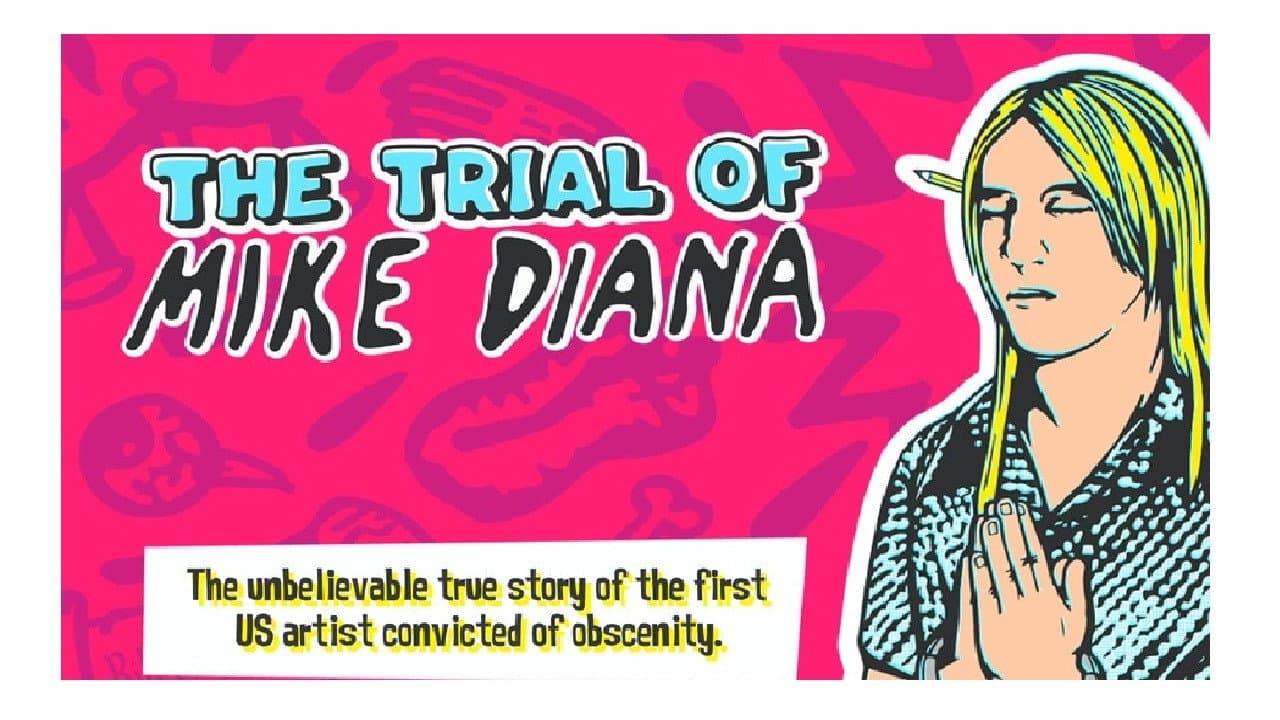
In 1994, something unprecedented happened in the American legal system. An undercover police officer in Florida purchased a limited-edition zine called Boiled Angel from artist Mike Diana, and that single transaction set off a chain of events that would land Diana in court on obscenity charges—the first time a visual artist had ever been prosecuted under obscenity law in the United States. Boiled Angels: The Trial of Mike Diana is a documentary that reconstructs this extraordinary moment with the kind of granular detail that makes you realize how fragile free speech protections actually are. The film doesn't just chronicle a trial; it captures the collision between underground art culture and a system that didn't quite know how to process it. Diana's zine was crude, violent, and deliberately provocative—exactly the kind of work that would draw police attention in a conservative Florida county where obscenity standards were applied with particular zeal.
What makes the case so unusual is that it wasn't about a mainstream publisher or a gallery exhibition. It was about a self-published zine, the kind of grassroots artistic expression that had thrived in the underground for decades without legal interference. The prosecution's decision to target Diana sent shockwaves through the art and comics communities, raising questions that remain relevant today: Who decides what's obscene? Where's the line between artistic freedom and illegal content? And who bears the burden of defending that line in court?
Behind the making of Boiled Angels: The Trial of Mike Diana
Director Don Argott and Demian Fenton crafted this 105-minute documentary with the precision of a legal thriller, weaving together courtroom footage, interviews with Diana himself, legal experts, and fellow artists who witnessed the trial's impact on their own work. The filmmakers had access to trial transcripts and archival materials that allowed them to reconstruct the case with remarkable fidelity, and their approach transforms what could've been a dry procedural into something genuinely gripping. The documentary premiered at film festivals in 2018 and earned strong critical attention, scoring a respectable 7.6 on IMDb and drawing praise from critics who recognized its relevance to ongoing debates about censorship and artistic expression.
The production team didn't shy away from the controversial nature of Diana's actual work—the film shows enough of Boiled Angel's imagery to let viewers understand why authorities found it so alarming, without exploiting it for shock value. This balance is crucial. Too much sanitization and you lose the context for why the prosecution happened at all; too much graphic content and you undermine the film's argument about censorship. Argott and Fenton threaded that needle carefully. The film also benefits from Diana's willingness to participate, sitting for interviews that reveal a thoughtful artist who understood he was fighting for something larger than his own legal fate. His calm, articulate presence anchors the documentary and makes the absurdity of his prosecution all the more apparent.
What makes Boiled Angels: The Trial of Mike Diana stand out
The real power of this documentary lies in how it situates Diana's case within the broader history of obscenity law and First Amendment jurisprudence. It's not just a true-crime story—it's a legal and cultural reckoning. The film features interviews with constitutional lawyers, free speech advocates, and fellow comic book artists and zine creators who explain why this trial mattered so much to their communities. What's striking is how the documentary never lets you forget that Diana was prosecuted not for selling his work openly, but for a cop buying it undercover, as if the act of concealment itself proved criminal intent.
There's a particularly effective moment where the film contrasts Diana's modest, working-class life with the lurid descriptions prosecutors used to characterize his art—the gap between the man and the monster they were constructing in court is both darkly funny and deeply unsettling. The cinematography and editing move with purpose; this isn't a slow, academic meditation but a propulsive narrative that builds toward the verdict. I keep coming back to how the film captures the exhaustion on Diana's face as the trial progresses, the toll of being branded a criminal for work he created in solitude. The documentary also doesn't shy away from showing that Diana's work was genuinely transgressive—it wasn't sanitized or misrepresented by prosecutors. That honesty makes the film's argument about free speech more persuasive, not less. The thing nobody mentions is that defending someone's right to create doesn't require pretending their work is inoffensive; it requires believing they have the right to create it anyway.
Where to stream Boiled Angels: The Trial of Mike Diana online
Boiled Angels: The Trial of Mike Diana is available on major OTT services, and Movie OTT tracks current availability across platforms so you can find where it's streaming right now. The documentary's 105-minute runtime makes it perfect for a single sitting, and it's the kind of film that benefits from full attention—you'll want to catch the legal arguments and the nuances of Diana's defense without distraction. Check the Where to Watch widget at the top of this page for real-time platform information, as streaming rights shift regularly. Movie OTT keeps its database updated so you don't waste time hunting across five different services only to discover the film isn't available on any of them.
Frequently asked questions
Q: Is Boiled Angels: The Trial of Mike Diana based on a true story?
Yes, entirely. The documentary chronicles the actual 1994 obscenity trial of artist Mike Diana in Florida, the first such prosecution of a visual artist in U.S. history. The film uses court transcripts, trial footage, and interviews with Diana and legal experts to reconstruct the case.
Q: Who directed Boiled Angels: The Trial of Mike Diana?
The documentary was directed by Don Argott and Demian Fenton, who brought the same meticulous storytelling approach they've applied to other documentaries exploring art, culture, and social issues.
Q: What is Boiled Angel, the zine at the center of the trial?
Boiled Angel was a limited-edition zine created by Mike Diana featuring crude, violent imagery and transgressive content. It was self-published and distributed in small quantities, making the decision to prosecute Diana for its sale particularly controversial among free speech advocates.
Q: What was the outcome of Mike Diana's trial?
Diana was convicted on obscenity charges, making him the first visual artist ever prosecuted under obscenity law in the United States. The case raised significant questions about First Amendment protections that remain relevant today.
Q: Why does this 1994 trial still matter?
The case established a troubling precedent for prosecuting artists based on content standards, and it raises enduring questions about who decides what's obscene, how free speech is protected in practice, and the vulnerability of underground artists to legal harassment.
Final thoughts on Boiled Angels: The Trial of Mike Diana
This documentary matters because it shows what happens when the legal system collides with artistic freedom—and how easily the system can win, at least in the short term. Diana's conviction was a watershed moment that should've sparked massive outrage, and to some degree it did within art communities, but it didn't fundamentally change how courts approach obscenity. If you care about free expression, about the messy reality of how censorship actually works in America, or simply about a gripping true story of one artist's fight against the state, Boiled Angels: The Trial of Mike Diana deserves your time. It's a reminder that First Amendment protections aren't abstract principles—they're fought for, case by case, by people willing to risk everything.