


The Story of Bone Trouble
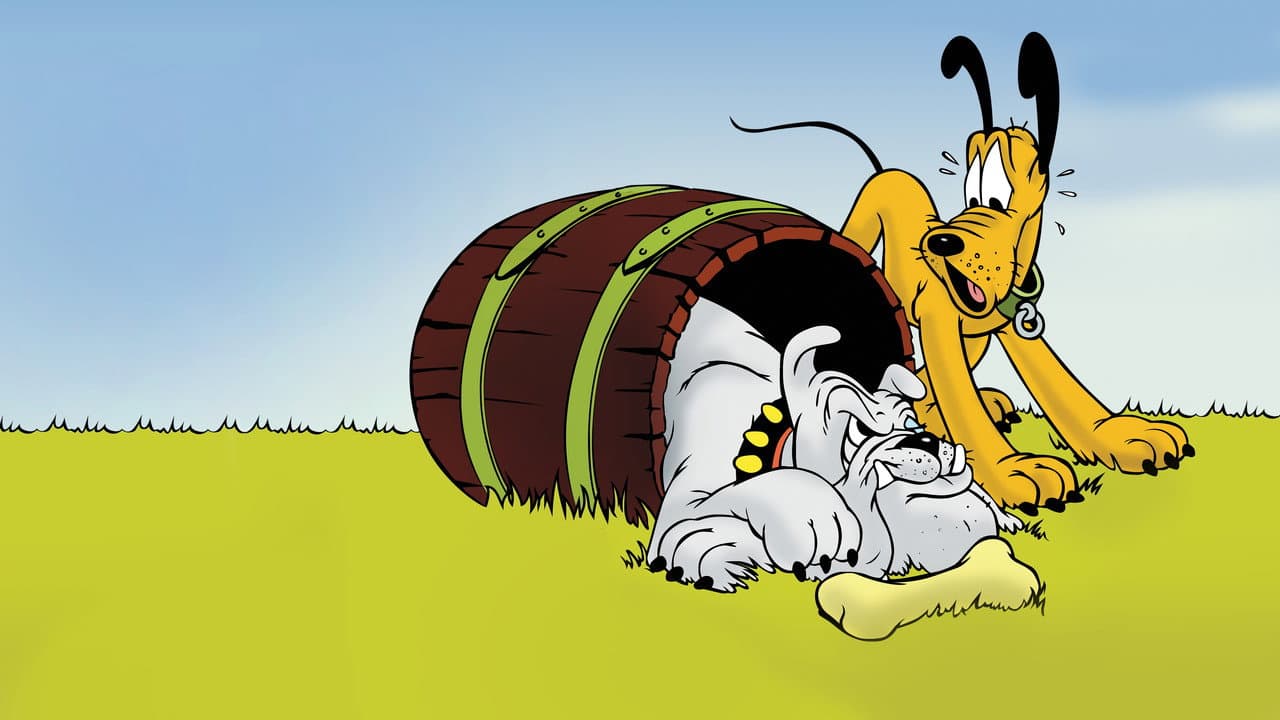
Bone Trouble, released in 1940, is a nine-minute animated comedy that captures everything Disney's animation team did best during the golden age of theatrical shorts. The premise is elegantly simple: Pluto, the mischievous pup we all know and love, spots a bone he can't resist and makes the fateful decision to steal it from Butch the bulldog—a decision that kicks off an escalating series of comedic disasters. What follows isn't a complex narrative arc so much as a pure, unadulterated chase sequence that uses the carnival setting (specifically a hall of mirrors) as the playground for visual gags and physical comedy. There's no moral complexity here, no deep character work. Just a dog, a bone, a bigger dog, and a lot of running.
Behind the Making of Bone Trouble
Bone Trouble emerged from Walt Disney Productions during a particularly prolific period for the studio's short-form animation output. By 1940, Disney had already established itself as the gold standard in theatrical animation, and the Pluto series represented a reliable vehicle for experimenting with comedic timing and slapstick visual storytelling. The short was produced during an era when Disney shorts played before feature films in theaters across America—they weren't afterthoughts but carefully crafted entertainment designed to warm up audiences before the main event.
The animation team working on Bone Trouble inherited decades of refinement in character animation and comedic staging. Pluto himself had evolved considerably since his debut in the early 1930s; by 1940, animators understood exactly how to use his expressive face and flexible body for maximum humor. The carnival hall of mirrors setting wasn't arbitrary—it provided animators with a built-in visual tool for creating disorientation and confusion, allowing them to play with perspective and reflection in ways that would've been impossible in a conventional outdoor setting. While comprehensive box office records for individual shorts from this era are sparse, Pluto shorts consistently performed well theatrically, and Bone Trouble's nine-minute runtime was the industry standard for the period. The film doesn't appear to have won major awards, but it represented the kind of reliable, quality output that kept audiences coming back to Disney releases week after week.
What Makes Bone Trouble Stand Out
What's striking about Bone Trouble—and honestly, what keeps it watchable nearly eighty-five years later—is how much comedic mileage the animators wring from pure physical performance. There's no dialogue to carry jokes. The humor lives entirely in movement: the way Pluto's ears droop when he's caught, how Butch's bulk is contrasted against Pluto's nimbleness, the escalating panic in their chase through the mirrors. The hall of mirrors sequence itself is a masterclass in visual gag construction. Instead of relying on one big laugh, the animators layer smaller moments—a confused dog facing his own reflection, a collision that shouldn't have happened but does, the disorienting geometry of reflective surfaces creating chaos.
I keep coming back to how economical the storytelling is. In nine minutes, you've got setup, escalation, and a payoff. No padding, no scenes that exist just to fill runtime. That's a discipline you don't see much anymore. The performances—if you can call the movement of animated characters "performances"—have a snappy precision that suggests multiple takes and careful planning. Pluto's desperation reads clearly; Butch's indignation is palpable. The thing nobody mentions is that these shorts were often made quickly and on tight budgets, yet they don't feel rushed. The pacing suggests a team that understood comedy at a fundamental level: timing, contrast, surprise. On Movie OTT, where you can explore the full depth of Disney's theatrical catalog, Bone Trouble sits as a reminder of what animation could accomplish when it wasn't trying to tell a complex story—just trying to make you laugh.
Where to Stream Bone Trouble Online
Bone Trouble is available on major OTT services, making it easy to catch this classic short whenever the mood strikes. The exact platforms carrying it may shift seasonally, so checking the "Where to Watch" widget at the top of this page will give you the most current streaming information. Disney shorts from this era have been packaged and repackaged across various platforms over the years, and many streaming services now include extensive Disney animation libraries as part of their standard offerings. If you're a fan of classic animation or just curious about what theatrical shorts looked like in 1940, you won't need to hunt far. Most major streaming platforms that carry Disney content will have Bone Trouble in their catalog.
Frequently asked questions
Q: How long is Bone Trouble?
Bone Trouble runs nine minutes, which was the standard length for theatrical animated shorts in 1940. It's a quick watch—perfect for when you want a dose of classic Disney without a major time commitment.
Q: Who directed Bone Trouble?
Bone Trouble was directed by Jack King, an animator and director who worked extensively on Disney's Pluto series during the late 1930s and 1940s. King had a strong grasp of slapstick timing and physical comedy.
Q: Is Bone Trouble based on a true story?
No, it's a fictional comedy built entirely around the premise of a dog stealing a bone and facing consequences. There's no real-world inspiration—just pure cartoon logic.
Q: Can I watch Bone Trouble on Disney+?
Disney+ carries many classic Disney shorts, including Pluto cartoons from this era. Check the streaming availability widget on this page to confirm current availability, as licensing can vary by region.
Q: What's the IMDb rating for Bone Trouble?
Bone Trouble holds a 6.873 rating on IMDb, reflecting solid appreciation among classic animation fans, though it doesn't rank among the highest-rated shorts from the period.
Final Thoughts on Bone Trouble
Bone Trouble isn't trying to be anything other than what it is: a fun, well-crafted cartoon short designed to entertain audiences for nine minutes. It doesn't have the emotional depth of later animated features or the cultural impact of Disney's feature films. But that's not a weakness—it's exactly the point. Sometimes the best entertainment is the simplest. If you're exploring classic animation or want to see how Disney approached pure comedic storytelling before the studio shifted toward longer narratives, Bone Trouble delivers. It's a quick, satisfying reminder that sometimes a dog, a bone, and a hall of mirrors is all you need.