The Story of Born Wild
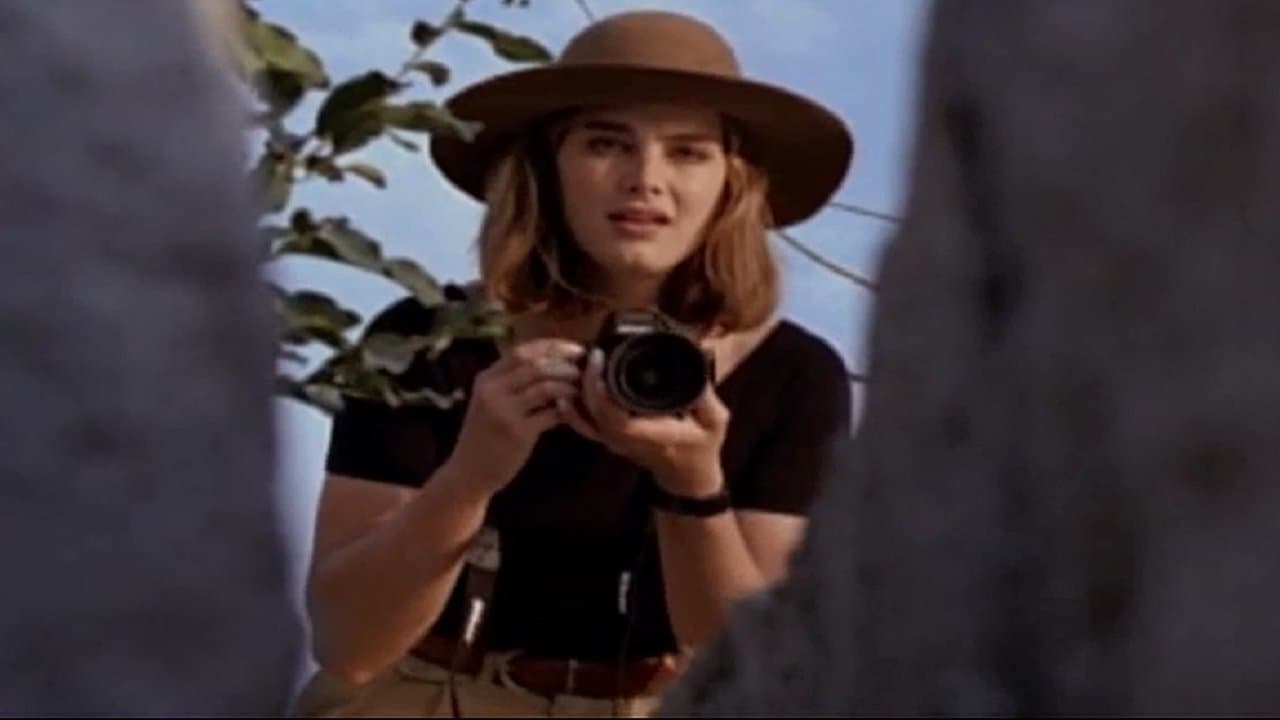
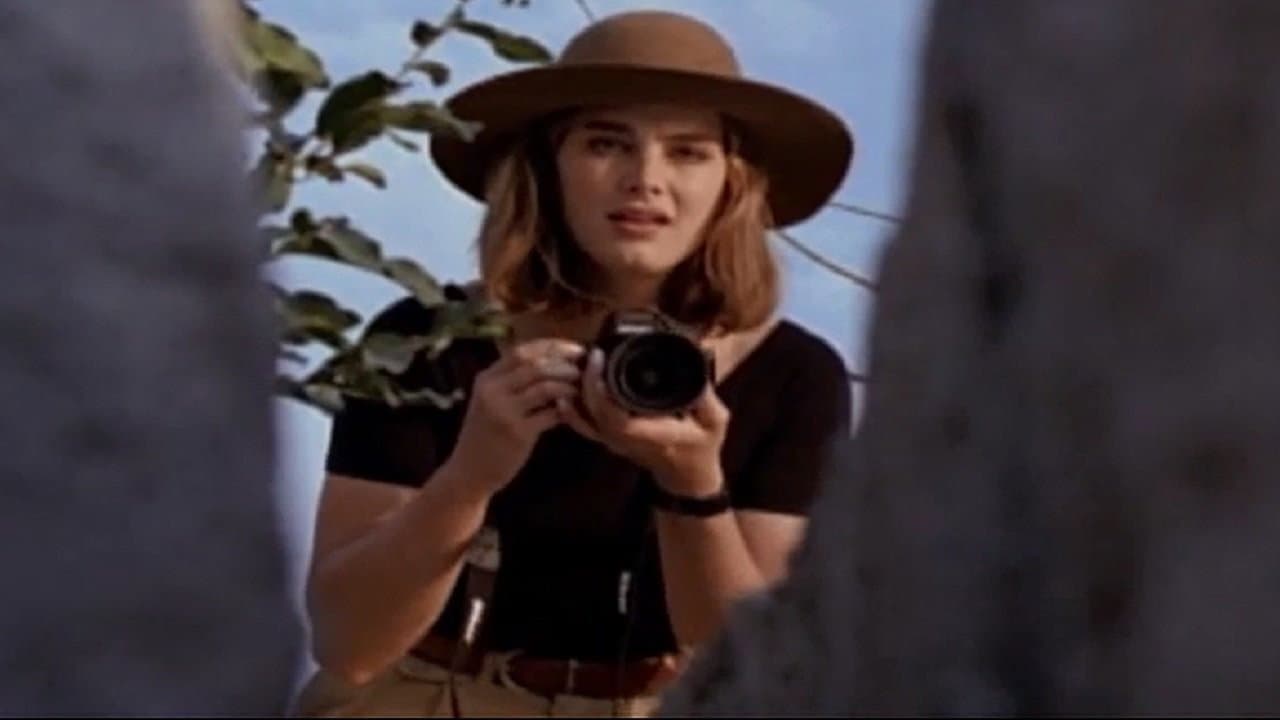
Born Wild tells the story of a young documentary filmmaker working for a struggling television station who gets the opportunity—or maybe the burden—of a lifetime when assigned to travel to South Africa for work. It's the kind of premise that sounds straightforward on paper: send a hungry filmmaker into the field, let them document something real, see what they bring back. But what unfolds is far more complicated than a simple assignment. The film explores what happens when ambition meets unfamiliar territory, when the camera becomes both a shield and a mirror, and when the distance between observer and observed starts to blur in ways nobody anticipated.
The narrative doesn't shy away from the messy reality of documentary work. There's no clean separation between the filmmaker's personal journey and their professional obligations. What begins as a career opportunity becomes something more intimate—a collision between the filmmaker's expectations and the complex reality of South Africa itself. The assignment forces our protagonist to confront not just the story they came to tell, but their own assumptions about what that story should be.
Behind the Making of Born Wild
Born Wild arrived in 1995 as an independent drama with modest ambitions but genuine artistic intent. The film clocks in at 94 minutes, a lean runtime that keeps the narrative focused and propulsive. While it didn't become a major box-office player—independent dramas rarely do in the theatrical market—the film found its audience among viewers interested in character-driven stories about journalists, filmmakers, and the ethics of documentation.
The production itself reflects the scrappy nature of mid-90s independent cinema. Shooting in South Africa presented both logistical and thematic challenges. The country was in a period of profound transition following the end of apartheid (1994), making it a loaded backdrop for any story about an outsider arriving to document reality. The filmmakers had to navigate not just the practical demands of location shooting but the moral and political weight of their setting. Cast members brought earnestness to their roles, even if the film didn't attract marquee names that would've driven major studio distribution.
The film earned a modest 5.75/10 rating on IMDb, reflecting a mixed critical and audience response. It's the kind of rating that suggests a film with genuine ideas but uneven execution—something that reaches for something meaningful without always landing the shot. That's not a dismissal; plenty of worthwhile films sit in that range because they're willing to take risks that don't always pay off.
What Makes Born Wild Stand Out
What's striking about Born Wild is its willingness to complicate the filmmaker-as-hero narrative. Too many films about documentary makers treat the act of filming as inherently noble, as though pointing a camera at something automatically confers truth or righteousness. Born Wild doesn't let anyone off that easy. The protagonist isn't presented as a crusading truth-teller but as a person with their own blind spots, ambitions, and limitations—someone trying to do their job while navigating a culture and country they don't fully understand.
The performances anchor the film in a kind of everyday realism. Nobody's delivering grand monologues or having convenient epiphanies. Instead, you get the small moments—the awkward silences, the miscommunications, the dawning awareness that you're not equipped for what you've walked into. I keep coming back to how the film treats South Africa itself, not as exotic backdrop but as a place with its own complexity and agency. The people being filmed aren't just subjects; they're participants with their own stakes in how they're represented.
There's also something genuinely interesting about a mid-90s film that centers documentary practice as its core conflict. This was before every filmmaker had a camera phone, before social media made everyone a documentarian. The film captures a moment when documentary work still felt specialized, when the act of filming required intention and commitment rather than reflexive documentation. That historical specificity gives the film a particular texture—it's not just about one character's journey but about a specific moment in media history.
Where to Stream Born Wild Online
Born Wild is available on major OTT services, making it accessible to anyone curious about this mid-90s drama. Rather than hunting through cable schedules or specialty video stores, you can find it through the streaming platforms listed in the Where to Watch widget at the top of this page. Movie OTT tracks current availability across multiple services, so you can see exactly which platform has it in your region. Since streaming rights shift frequently, checking that widget before you start watching ensures you won't hit a dead end. The accessibility of films like Born Wild through streaming has genuinely changed how we discover older independent cinema—movies that might've disappeared into obscurity now have a second life.
Frequently asked questions
Q: What year was Born Wild released?
Born Wild came out in 1995, placing it squarely in the era of independent cinema that followed the indie boom of the late 1980s and early 1990s.
Q: How long is Born Wild?
The film runs 94 minutes, a tight runtime that keeps the narrative moving without excess.
Q: Is Born Wild based on a true story?
While Born Wild explores documentary filmmaking and features a South African setting, it's a fictional narrative rather than a true-story adaptation, though it draws on real tensions inherent in documentary practice.
Q: What's the IMDb rating for Born Wild?
The film holds a 5.75/10 rating on IMDb, reflecting mixed critical and audience response to its ambitious but uneven execution.
Q: Where can I watch Born Wild?
Born Wild is available on major OTT streaming services. Use the Where to Watch widget to find which platform currently carries it in your region.
Final Thoughts on Born Wild
Born Wild isn't a perfect film. It doesn't always land its thematic punches, and the execution sometimes feels uncertain. But there's real value in a film that refuses to make documentary filmmaking seem simple or purely noble. It's a movie about the gap between intention and impact, about what gets lost in translation when you point a camera at something you don't fully understand. For viewers interested in media criticism, documentary ethics, or character-driven 90s cinema, it's worth seeking out. Movie OTT makes that search easier than ever.