
The Story of Boruto: Naruto the Movie
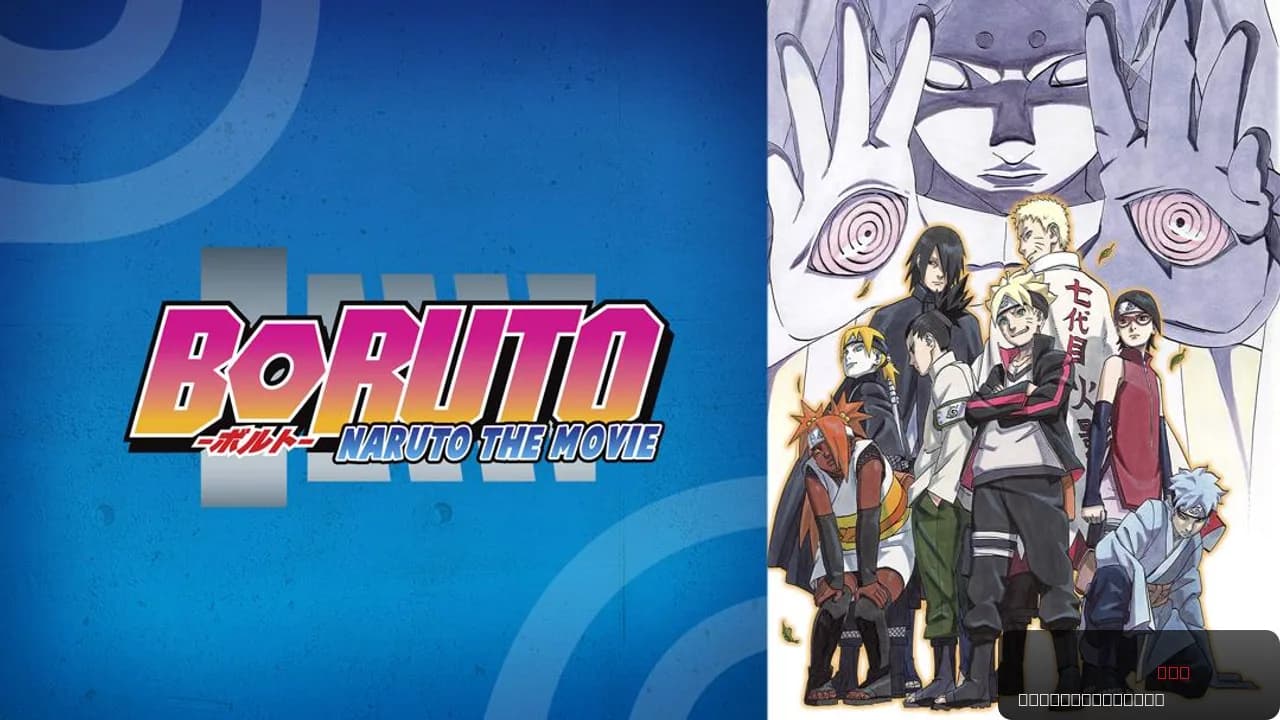
Boruto: Naruto the Movie picks up after the conclusion of Naruto: Shippuden, when peace has finally settled over the ninja world following the Fourth Great Ninja War. Naruto Uzumaki, once an underdog shinobi, now serves as the Seventh Hokage—the leader of the Hidden Leaf Village. But there's a catch. His newfound responsibility means he's almost never home, leaving his son Boruto to grow up largely without his father's presence. The Hidden Leaf Village is preparing to host the Chunin Exams, a tournament designed to identify and train the next generation of shinobi from across the allied villages. Among the competitors are Boruto himself—talented but impulsive, struggling to live up to his father's name—alongside Sarada Uchiha (daughter of Sasuke) and the enigmatic Mitsuki, a shinobi whose origins remain shrouded in mystery. What should be a straightforward competition becomes far more complicated when Sasuke returns with urgent warnings: two malevolent beings are moving in the shadows, threatening the hard-won peace Naruto fought so desperately to achieve. The film explores themes of legacy, identity, and the cost of leadership, all while setting the stage for a new era of ninja adventures.
Behind the Making of Boruto: Naruto the Movie
Boruto: Naruto the Movie marks the directorial debut of Hiroyuki Yamashita, a significant moment in the franchise's evolution. The film was produced as a canonical continuation of Masashi Kishimoto's original manga series, making it far more than just a spin-off cash grab—it's considered essential viewing for anyone invested in the Naruto universe. Released in 2015 with a runtime of 95 minutes, the movie brought together a stellar voice cast that included Yūko Sanpei as Boruto, Junko Takeuchi reprising her role as Naruto, Kokoro Kikuchi as Sarada, and Noriaki Sugiyama as Sasuke. The film earned a PG rating and generated $919,651 at the box office, a modest but respectable return for a niche anime property. While the box office numbers might seem underwhelming compared to major Hollywood releases, they reflect the reality of anime theatrical distribution—these films often generate significantly more revenue through home video, streaming, and international markets than their initial theatrical runs suggest. The film received three award nominations, acknowledging its technical craft and narrative importance within the anime community. What's striking is how the production team managed to balance fan service with genuine storytelling innovation, respecting what came before while charting a course toward something new.
What Makes Boruto: Naruto the Movie Stand Out
The film's greatest strength lies in its willingness to sit with uncomfortable family dynamics rather than glossing over them. Boruto doesn't just admire his father—he resents him. That resentment feels earned and real, not manufactured drama. Director Yamashita captures moments of genuine tension between parent and child that don't get resolved with a single heartfelt speech, which is refreshingly honest for a shounen action film. The action sequences themselves are beautifully choreographed, with animators bringing kinetic energy to the ninja combat that feels both grounded in the established fighting styles and elevated by the film's theatrical budget. I keep coming back to a particular scene where Boruto faces off against an opponent and has to rely on his own instincts rather than his father's legacy—it's a perfect microcosm of the film's thematic core. The voice performances carry surprising weight too. Sanpei's portrayal of Boruto captures the character's arrogance and vulnerability in equal measure, while Takeuchi brings a weary gravitas to Naruto that reflects the burden of leadership. The mysterious Mitsuki, voiced by Daisuke Namikaze, creates an intriguing wild card whose true allegiances remain ambiguous throughout much of the runtime. Critics on Movie OTT and other anime-focused outlets praised the film's willingness to age up its audience alongside the characters, treating them as young adults rather than kids. The IMDb rating of 7.7/10 (based on 13,166 votes) reflects solid critical appreciation within the anime community, suggesting the film succeeds in what it sets out to do: honor the past while building toward the future.
Where to Stream Boruto: Naruto the Movie Online
If you're ready to watch Boruto: Naruto the Movie, you'll find it available on Prime Video, where it sits alongside much of the broader Naruto catalog. The streaming landscape for anime titles can be fragmented—different regions and platforms hold different licenses—so checking Movie OTT's Where to Watch widget at the top of this page ensures you're getting current availability information without guessing. Prime Video's library has become increasingly robust for anime content over the past few years, making it a reliable destination for both classic and newer titles in the genre. With a 95-minute runtime, the film fits neatly into an evening viewing session, and the PG rating means it's accessible to younger fans who've grown up with the franchise. Streaming services often rotate their catalogs, so if you've been meaning to watch this one, now's a good time to check availability rather than waiting—these licensing agreements can shift without warning.
Frequently asked questions
Q: Is Boruto: Naruto the Movie part of the official canon?
Yes, it's considered canonical to the Naruto storyline and directly bridges the gap between Naruto: Shippuden and the Boruto: Naruto Next Generations anime series. The film adapts events that correspond to episodes 53-66 of the Boruto anime.
Q: Do I need to watch all of Naruto: Shippuden before watching this movie?
While you don't need to watch every episode, you should at least be familiar with the original Naruto series and ideally watch Shippuden's conclusion. The film assumes you understand Naruto's journey, his relationship with Sasuke, and the broader world-building that came before.
Q: Who directed Boruto: Naruto the Movie?
Hiroyuki Yamashita directed the film in his feature directorial debut. He brought a fresh visual style to the franchise while respecting its established aesthetic.
Q: What's the runtime and rating?
The film runs 95 minutes and carries a PG rating, making it suitable for most audiences including younger fans of the series.
Q: Where can I watch Boruto: Naruto the Movie?
Boruto: Naruto the Movie is currently available on Prime Video. Check the Where to Watch widget on this page for the most up-to-date streaming availability in your region.
Final Thoughts on Boruto: Naruto the Movie
Boruto: Naruto the Movie works because it understands something crucial: sequels don't have to repeat what came before. Instead of retreading Naruto's underdog journey, it examines what happens when that underdog becomes the establishment, and how the next generation grapples with inherited expectations. It's a film that respects its legacy while refusing to be imprisoned by it. Whether you're a longtime Naruto fan or someone curious about where the franchise goes next, this film delivers both emotional resonance and solid action spectacle. Not perfect, but genuinely worthwhile.