
The Story of Breakaway: Espionage and Double-Bluff
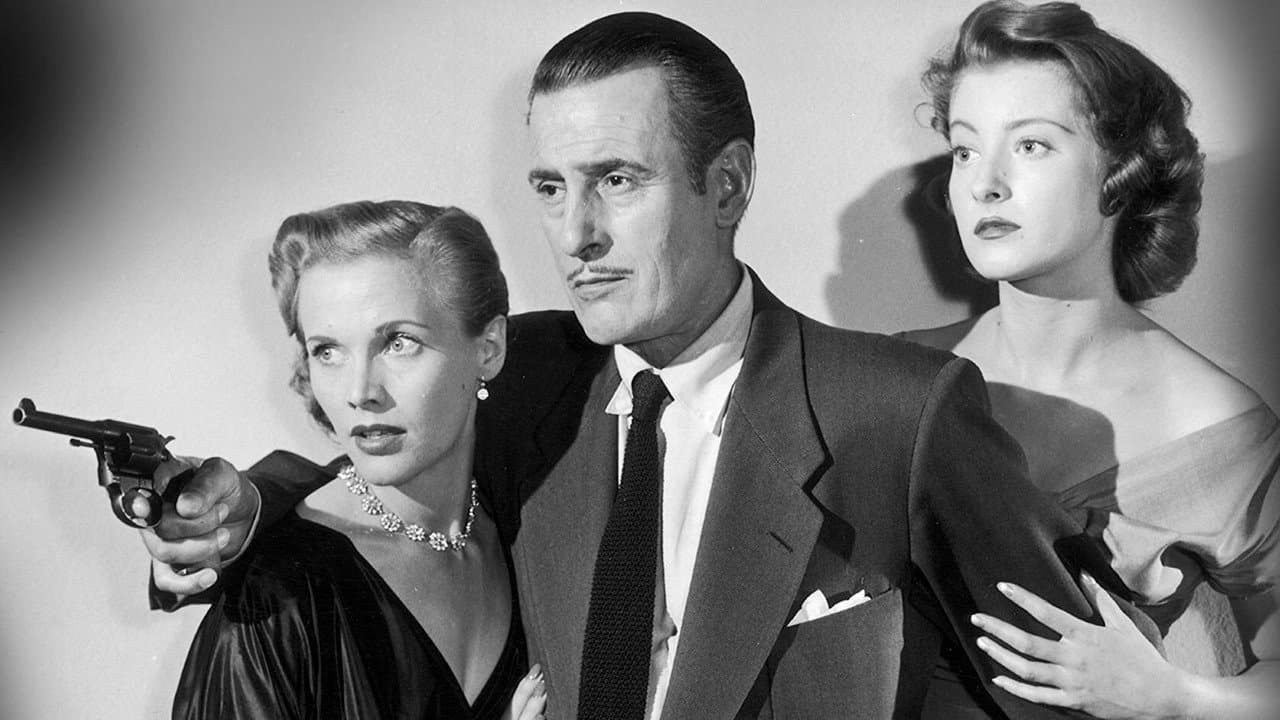
Breakaway tells the story of Johnny Matlock, a British agent who pulls off the kind of heist that gets people killed—he steals a Cold War secret right from under the noses of Berlin's most dangerous operatives. But the real trouble starts when he gets home. His every movement is tracked, his apartment's probably bugged, and worst of all, his girlfriend Paula vanishes without a trace. The only clue left behind is her handbag, discovered at the crime scene by Duke Martin, an aristocratic private investigator with a reputation for solving impossible cases. Inside that handbag is the formula everyone's killing for—and it's now Duke's problem to figure out who's got Paula and whether she's even still alive.
What unfolds is a tense game of cat-and-mouse where trust is a luxury nobody can afford. Duke Martin isn't just trying to rescue a woman he's never met; he's caught between desperate agents on both sides of the Iron Curtain, each willing to burn the world down to get their hands on that formula. Johnny's growing frantic, Paula's time is running out, and Duke's playing a deadly game of bluff that could get him killed just as easily as it could save the day. The film's 72-minute runtime doesn't waste time—it's all momentum and paranoia, the kind of tight spy thriller where one wrong move means curtains.
Behind the Making of Breakaway and Its Production History
Breakaway emerged from CIPA, a production company working in post-war Britain when the spy-thriller genre was still finding its footing. The 1950s were a fascinating moment for espionage cinema—the Iron Curtain was very real, Berlin was literally divided, and audiences were hungry for stories that captured the anxiety of living in a world divided by ideology. The film's lean production values and brisk pacing reflect the era's approach to B-picture filmmaking, where efficiency and tension mattered more than lavish sets.
The film arrived in 1956, a year when British cinema was experimenting with genre work alongside its more prestigious offerings. While Breakaway didn't achieve the mainstream recognition of some of its contemporaries, it carved out space in the crime-thriller landscape—a category that was booming thanks to the Cold War's grip on the public imagination. The cast brought a certain polish to the material; there's a real sense of professional craft in how the story's told, even if the picture's modest budget shows in places.
Breakaway sits at a 5.5 rating on IMDb, which honestly feels about right for a film that's more interested in plot mechanics than in deep characterization. It's the kind of movie that doesn't pretend to be more than it is—a taut, unpretentious thriller made for audiences who wanted excitement without pretense. The runtime of 72 minutes was actually ideal for this type of picture; anything longer and the premise would've started to strain under scrutiny.
What Makes Breakaway Stand Out as a 1950s Spy Thriller
The thing nobody mentions about Breakaway is how it manages to keep three separate tensions spinning at once: Johnny's desperation, Duke's investigation, and the agents' relentless pursuit. That's harder than it sounds. Most thrillers pick one protagonist and ride with them; this one trusts the audience to follow multiple threads without losing the plot. Duke Martin—the aristocratic private eye—is the real draw here. He's not a licensed detective in the conventional sense; he's a gentleman with resources, connections, and a talent for seeing what others miss. When he finds Paula's handbag, he doesn't just hand it to the police. He starts asking questions, and those questions pull him deeper into a world where everybody's lying and nobody's who they claim to be.
What's striking is how the film treats the formula itself—it's almost a MacGuffin, sure, but it's also the weight that presses down on every scene. Nobody cares about the science; they care about what that formula means: power, leverage, survival. The double-bluff that Duke plays with the enemy agents is genuinely clever, the kind of misdirection that works because the film doesn't telegraph it. You're watching him play chess while thinking he's playing checkers, and by the time you realize the difference, he's already won.
The performances anchor the whole thing. There's a weariness to Johnny's desperation—he's not a superhero, he's a guy who made one move and now can't undo it. Duke's cooler, more calculating, but you see the cracks when he realizes just how deep the danger runs. It's not flashy acting, but it's the kind of work that makes a lean thriller like this one actually work. The tension doesn't come from explosions or elaborate set pieces; it comes from people trying to outthink each other in cramped rooms and dark streets.
Where to Stream Breakaway Online
Breakaway is available on major OTT services—you can check the Where to Watch widget at the top of this page to see which platforms currently have it in your region. Streaming availability changes frequently, so that widget's your best bet for real-time accuracy. Movie OTT tracks availability across all the major services, so you'll know exactly where to find it without hunting through five different apps.
The 72-minute runtime makes it perfect for a weeknight watch—it's not a commitment that'll keep you up until midnight. Whether you're streaming it on a Sunday afternoon or catching it late at night, the film's brisk pacing means you won't be left hanging. If you're a fan of 1950s spy thrillers or just looking for something from the era that doesn't take itself too seriously, Breakaway's worth tracking down.
Frequently Asked Questions
Q: Is Breakaway based on a true story?
No, Breakaway is a fictional spy thriller. However, it's set against the very real backdrop of Cold War Berlin and the genuine tensions between intelligence agencies during that period. The story uses real historical anxiety as its foundation, even though the plot itself is invented.
Q: Who directed Breakaway?
The film was produced by CIPA, a British production company active in the 1950s. Like many B-pictures of the era, directorial credits were sometimes shared or uncredited in surviving records, making it difficult to attribute the film to a single director with complete certainty.
Q: How long is Breakaway?
The film runs 72 minutes, a lean runtime typical of crime thrillers from the 1950s. That brevity works in its favor—the story moves fast enough that you don't have time to question the plot's logic too hard.
Q: What's the IMDb rating for Breakaway?
Breakaway holds a 5.5 out of 10 on IMDb. That score reflects its status as a solid but unpretentious B-picture—it does what it sets out to do without pretending to be something it's not.
Q: Is Breakaway a good film if I like 1950s espionage movies?
If you're into Cold War thrillers and don't mind modest production values, Breakaway delivers. It's got the paranoia, the double-crosses, and the sense that nobody's really safe—all hallmarks of the genre at its best.
Final Thoughts on Breakaway
Breakaway won't change your life or redefine what spy thrillers can do. But it's a competent, efficient piece of entertainment that understands its assignment: create tension, move the story forward, and don't waste the audience's time. The aristocratic private eye angle gives it a little flavor that distinguishes it from standard espionage fare, and the double-bluff finale actually earns its cleverness. If you're in the mood for something lean and unpretentious from the 1950s—something that trusts you to keep up without spelling everything out—Breakaway's worth your 72 minutes.