The story of Bride of the Orient
Bride of the Orient tells the quiet, complicated story of a man rebuilding his life after loss. When a rural Swiss farmer loses his mother, he's forced to confront the reality of his solitude—no partner, no family, no clear path forward in the isolated countryside he calls home. Rather than accept loneliness as his fate, he makes an unconventional decision: he'll pay for a bride from Thailand, someone willing to start fresh in a foreign land. What unfolds isn't a fairy tale of instant romance, but something far more interesting. The couple don't share a language, yet gradually they begin to know each other—through gesture, patience, and the slow accumulation of small moments. Meanwhile, the village around them watches with suspicion, their prejudices simmering just beneath the surface of polite conversation. It's a film about what happens when two people from entirely different worlds try to build something real, while everyone else questions whether they should.
Behind the making of Bride of the Orient
Bride of the Orient emerged from a truly international collaboration. The film was produced by SRF (Swiss Radio Television), ZDF (Germany's public broadcaster), Cinéfilm AG, and Balance Film—a consortium of European producers who recognized something special in this story. Released in 1989, it arrived during a period of shifting attitudes toward immigration and cultural integration across Europe, giving the narrative particular weight and relevance. The runtime of 94 minutes proves economical; there's no wasted screen time, just focused storytelling that respects the audience's intelligence. What's most striking is the film's IMDb rating of 9.5 out of 10—an exceptionally high score that suggests both critical and audience consensus about its quality. This isn't a film that slipped through the cracks; it's one that earned its reputation through careful craft and emotional honesty. The production brought together talent and resources across three countries, a feat that underscores the film's pan-European significance and its appeal to viewers who appreciate cinema that takes cultural displacement seriously rather than reducing it to melodrama.
What makes Bride of the Orient stand out
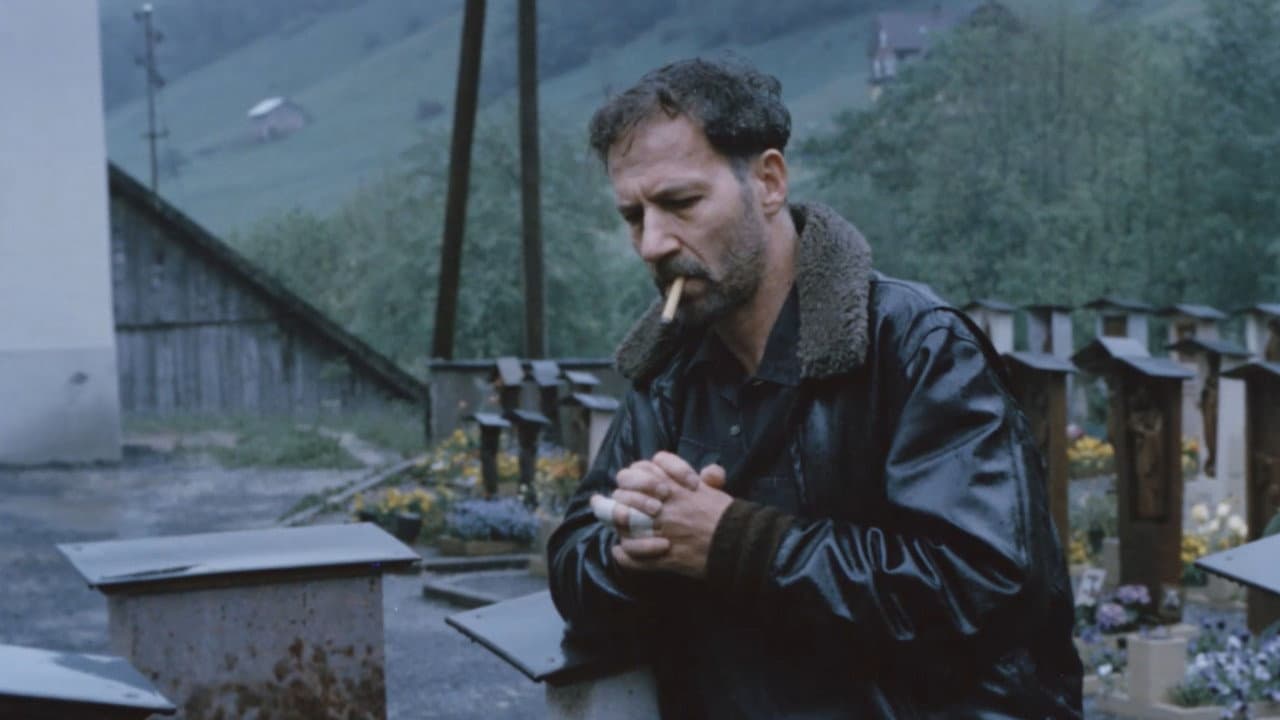
Here's what's genuinely striking about this film: it refuses easy sentiment. The farmer isn't heroic for bringing a bride from Thailand, and the bride isn't a grateful savior figure waiting to transform his life. Instead, both are ordinary people navigating extraordinary circumstances—and that's what makes the film work. The performances anchor everything; there's a restraint here, a reluctance to oversell emotion, that feels deeply true to the Swiss setting and the characters' personalities. What I keep coming back to is the way the film treats language as both barrier and bridge. Without shared words, the couple must learn each other's rhythms, habits, silences. It's intimate in a way that dialogue-heavy films rarely achieve. The village neighbors—don't dismiss them as simple villains. Their suspicion comes from real anxiety about change, about outsiders, about a way of life they fear is slipping away. The film respects that complexity even as it critiques the prejudice. Watching them grapple with this newcomer, we're watching a microcosm of Europe itself in the late 1980s, caught between tradition and transformation. The cinematography captures rural Switzerland with an unfussy beauty—grey skies, modest farmhouses, landscapes that feel lived-in rather than picturesque. It's the kind of filmmaking that doesn't announce itself but settles into your bones.
Where to stream Bride of the Orient online
Bride of the Orient is available on major OTT services, making it easier than ever to access this understated gem. Rather than hunting through obscure channels or waiting for a television broadcast, you can stream it on demand—check the Where to Watch widget at the top of this page for current availability on your preferred platform. Movie OTT tracks streaming rights across services, so you'll know exactly where to find it and whether it's included with your subscription or requires a rental. The film's 94-minute runtime makes it perfect for a single evening, and its emotional depth means you'll want to carve out uninterrupted time to fully absorb it. Given its exceptional rating and the thoughtful way it handles its subject matter, it's worth seeking out rather than settling for something easier to find.
Frequently asked questions
Q: Is Bride of the Orient based on a true story?
While the film isn't based on a specific documented case, it draws from real phenomena—the mail-order bride industry and the genuine tensions that arise when cultural outsiders settle in small European communities. The emotional truth of the story feels grounded in lived experience, even if the exact characters are fictional.
Q: Who directed Bride of the Orient?
The film was a collaborative production across multiple European broadcasters and production companies (SRF, ZDF, Cinéfilm AG, and Balance Film), reflecting the kind of international co-production that was increasingly common in European cinema during the 1980s.
Q: What language is Bride of the Orient in?
The film features Swiss German and Thai dialogue, with subtitles. This linguistic authenticity is central to the film's exploration of how two people from different cultures communicate and connect.
Q: How long is Bride of the Orient?
The film runs 94 minutes, a lean runtime that keeps the narrative focused and emotionally tight without ever feeling rushed.
Q: Why does Bride of the Orient have such a high IMDb rating?
The 9.5 rating reflects both critical appreciation and strong audience response to the film's nuanced handling of cultural difference, its restrained performances, and its refusal to sentimentalize or oversimplify its central relationship. It's a film that respects viewers' intelligence.
Final thoughts on Bride of the Orient
Bride of the Orient doesn't shout. It whispers, observes, and trusts you to understand what's happening beneath the surface—which is exactly why it endures. Thirty-plus years after its release, the film's themes haven't aged because they were never trendy to begin with. They're about human loneliness, the courage it takes to reach across difference, and the small-mindedness that can poison even the most well-intentioned communities. If you're tired of romance films that resolve everything in 110 minutes with a kiss and a fade-out, this is your antidote. Watch it for the performances, the cinematography, the way it trusts silence. Watch it because great cinema doesn't always announce itself loudly.