The story of Brigham Young's journey westward
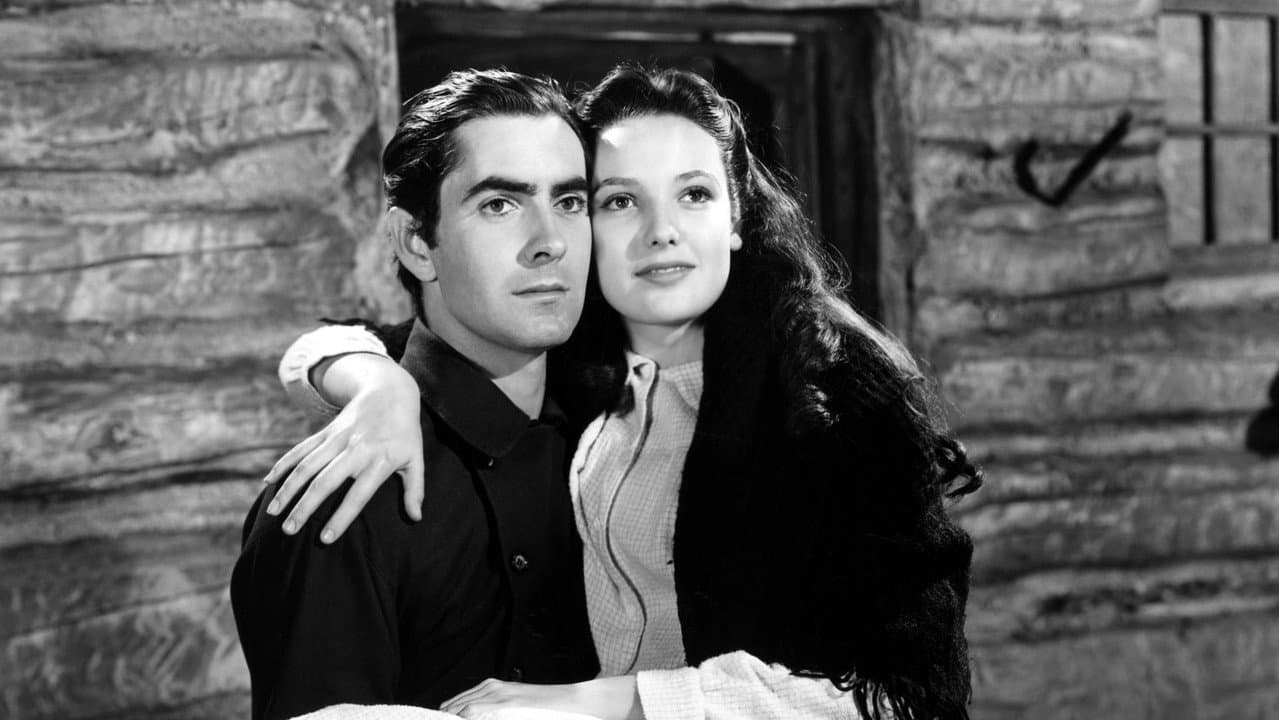
Brigham Young opens in the 1840s, a moment of religious upheaval and westward ambition. The film follows the historical figure of Brigham Young as he assumes leadership of the Church of Jesus Christ of Latter-day Saints following founder Joseph Smith's assassination in 1844. But rather than focus solely on Young himself, the narrative weaves in the fictional romance between Jonathan Kent (Power) and Zina Webb (Darnell)—two characters invented to anchor the human stakes of the pioneers' grueling cross-country migration. The real drama unfolds across the Rocky Mountains as thousands of settlers face starvation, hostile terrain, and doubt. What starts as a story about religious leadership becomes a story about survival, sacrifice, and the cost of building a new home in the American West.
The film doesn't shy away from the scale of the undertaking. Crossing mountains in winter. Running out of supplies. Losing people along the way. These aren't background details—they're the backbone of what the screenplay is trying to say about faith tested in the harshest conditions imaginable.
Behind the making of Brigham Young
20th Century Fox invested serious resources into Brigham Young, assembling an A-list cast that speaks to the studio's ambitions. Tyrone Power—already a major star—plays the fictional Jonathan Kent, while Linda Darnell, Dean Jagger, Brian Donlevy, and Vincent Price round out a supporting ensemble of considerable talent. Jane Darwell, Mary Astor, John Carradine, and Jean Rogers add further weight to the production. For 1940, this was a major studio bet on a historical Western epic.
The film clocks in at 114 minutes, substantial enough to develop character and landscape. Fox released it during a period when the studio was actively mining American history for prestige projects—and Brigham Young carries that prestige-picture ambition in its scope and casting choices. The production values are evident in the cinematography, the costume design, and the scale of the pioneer encampments constructed for filming.
What's less clear from the record is whether audiences embraced it. The film arrived during a crowded year for Westerns and historical dramas, and while it found an audience, it didn't become a cultural landmark. Modern critics and audiences tend to view it with a certain skepticism—the IMDb rating of 4.563/10 reflects a film that hasn't aged particularly well in critical estimation. That said, it's worth remembering that 1940 audiences had different expectations and that the film's ambitions, even if not fully realized, were genuine.
What makes Brigham Young stand out in 1940s historical cinema
The central tension of Brigham Young is the one that makes it interesting: it's trying to be both a historical biography and a frontier romance. That dual focus creates real friction. The scenes of the actual migration—the exhaustion, the sickness, the moral weight of leading thousands into uncertain terrain—carry genuine dramatic weight. Young's character grapples with doubt and responsibility in ways that feel earned. When the film leans into the historical material, there's something there worth watching.
But then the movie keeps cutting back to Jonathan and Zina's love story, and that's where things get muddled. The invented romance feels tacked on, a concession to studio expectations about what audiences wanted from a 1940 drama. It's not that Power and Darnell don't perform well—they do—but the emotional stakes of their relationship can't quite compete with the existential stakes of the migration itself. What's striking is how the film seems aware of this problem but can't quite solve it. You can feel the filmmakers wanting both things at once: intimate human drama and epic historical scope. They don't quite manage to synthesize them.
The performances, though, anchor what does work. Jagger brings a weathered credibility to the material. Power carries the idealism and doubt required of a man caught between personal desire and communal obligation. It's not transcendent acting, but it's solid, professional work from actors who understood the material they were given.
Where to stream Brigham Young online
Brigham Young is currently available on major OTT services, and Movie OTT tracks where you can watch it right now. Rather than hunting across multiple platforms, you can check the "Where to Watch" widget at the top of this page to see which streaming services in your region are carrying the film. Availability does shift seasonally, so it's worth confirming current status before settling in to watch. The 114-minute runtime makes it a manageable evening commitment if you're curious about 1940s prestige Westerns or interested in how Hollywood tackled religious history during that era.
Frequently asked questions
Q: Is Brigham Young based on a true story?
Yes, the film is based on the historical figure Brigham Young and his actual leadership of the Mormon migration westward in the 1840s. However, the main romantic plot involving Jonathan Kent and Zina Webb is entirely fictional, invented by screenwriters to dramatize the personal stakes of the journey.
Q: Who directed Brigham Young?
The film was directed by Henry Hathaway, a prolific Hollywood director known for Westerns and historical dramas. Hathaway brought considerable experience to the project, having already established himself as a reliable hand with large-scale productions.
Q: What year was Brigham Young released?
Brigham Young was released in 1940 by 20th Century Fox. It arrived during a rich period for American historical epics and Westerns in Hollywood.
Q: How long is Brigham Young?
The film runs 114 minutes, giving it enough time to develop both the historical narrative and the fictional romantic subplot, though some viewers find that balance uneven.
Q: Where can I watch Brigham Young right now?
You can check the streaming availability widget at the top of this page—Movie OTT keeps current information on which services are streaming the film in your region. Availability varies by location and changes regularly.
Final thoughts on Brigham Young
Brigham Young is a curious artifact: ambitious, well-cast, and genuinely interested in its historical subject, yet ultimately hamstrung by the studio conventions of its era. It's not a bad film, exactly. It's a film that wanted to do more than it managed. If you're interested in how 1940s Hollywood approached American religious history, or if you're a completist about Tyrone Power's filmography, it's worth seeking out. Just don't expect a masterpiece—expect a solid, earnest period drama that's more interesting for what it attempted than for what it achieved.