


The Story of Bugsy Siegel's Rise and Fall
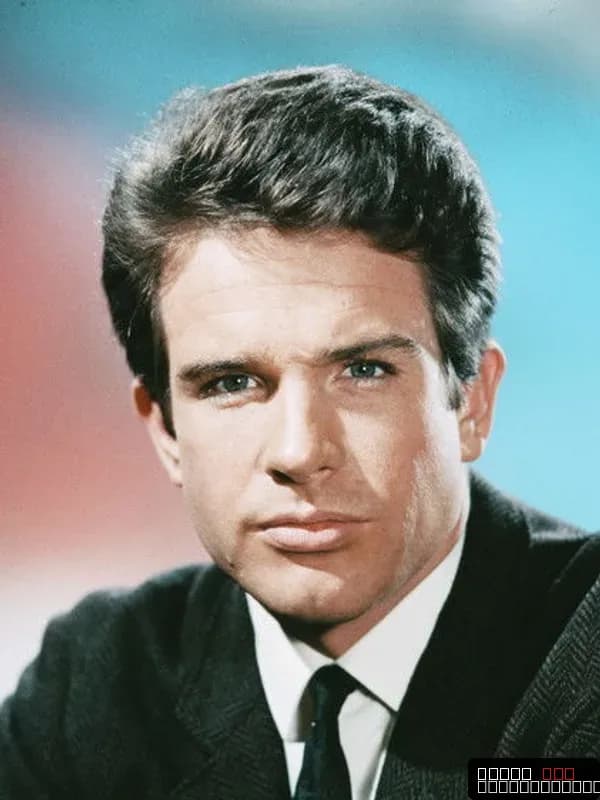
Bugsy tells the true story of Benjamin "Bugsy" Siegel, a mobster who rose through the ranks of organized crime in the 1930s and 1940s before making a fateful decision that would reshape American history. Warren Beatty plays Siegel not as a cardboard villain but as a complicated man caught between two worlds—the brutal, hierarchical mafia on one side, and a vision of something entirely new on the other. The film follows his transformation from street enforcer to visionary developer, all while his obsessive affair with aspiring actress Virginia Hill (Annette Bening) threatens to unravel everything he's built. Director Barry Levinson crafts this as an epic, sweeping narrative that doesn't shy away from Siegel's capacity for violence, yet finds genuine humanity in his contradictions.
Behind the Making of Bugsy: Production, Cast, and Awards
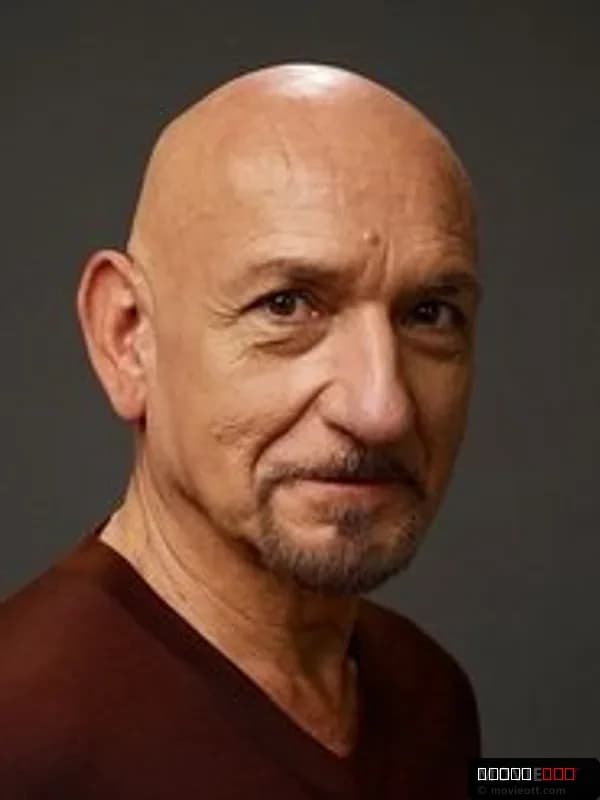
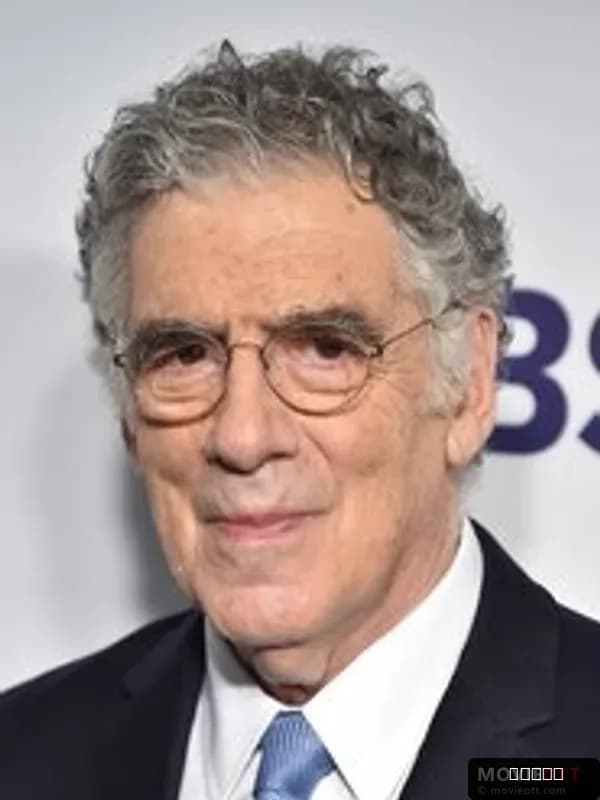
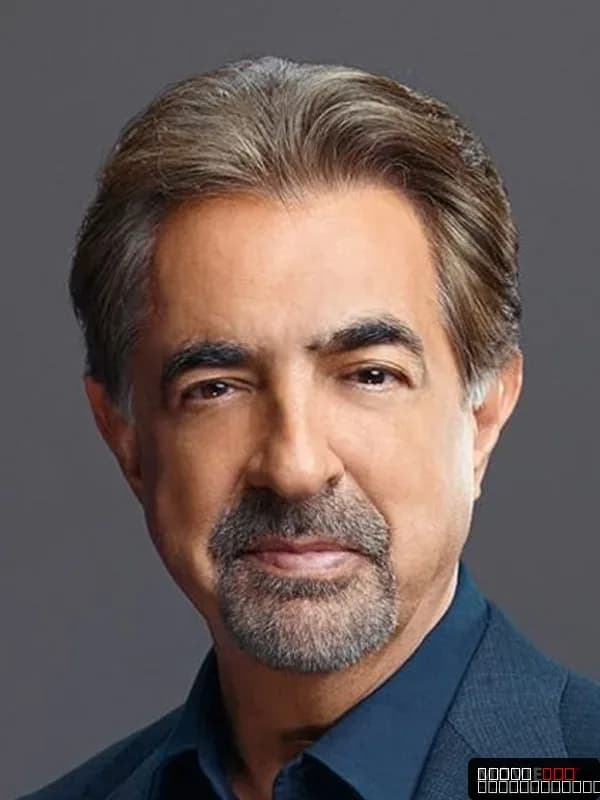
Barry Levinson brought together one of the most impressive ensembles of the early 1990s for this 136-minute biographical crime drama. Alongside Beatty and Bening, the cast includes Harvey Keitel, Ben Kingsley, Elliott Gould, Joe Mantegna, and Bebe Neuwirth—each delivering layered performances that ground the story in period authenticity and moral ambiguity. James Toback's screenplay and Allen Daviau's cinematography work in concert to create a lush, occasionally decadent visual language that mirrors Siegel's own taste for luxury and excess. Ennio Morricone's score provides the emotional backbone. The film premiered in December 1991 to strong critical reception and went on to earn $49.1 million at the box office, a respectable return for a mature-audience biopic. More tellingly, Bugsy proved its staying power with awards recognition: it won two Oscars and accumulated 12 wins and 41 nominations overall, including a Metascore of 80 and an 84% Fresh rating on Rotten Tomatoes. The film earned an R rating for violence, language, and sexuality—elements that feel essential rather than gratuitous to the story being told.
What Makes Bugsy Stand Out Among Crime Dramas
What's striking about Bugsy is how it refuses to simplify its protagonist. Beatty's performance is deliberately uneven—Siegel can be charming one moment and casually brutal the next, often within the same scene. He's not a misunderstood antihero in the mold of later prestige TV; he's genuinely difficult to root for, yet you find yourself drawn into his vision anyway. The real tension of the film doesn't come from police procedurals or double-crosses (though those exist), but from Siegel's internal conflict: he wants to be legitimate, wants to build something that'll outlast him, wants Virginia Hill to believe in him—and he's willing to betray the entire mafia hierarchy to make it happen. That's a bold dramatic choice. I keep coming back to the scenes between Beatty and Bening, which crackle with genuine chemistry and desperation. Their romance isn't presented as redemptive or noble; it's presented as reckless, self-destructive, and utterly consuming. The supporting cast—Kingsley as Siegel's mentor Lucky Luciano, Keitel as Mickey Cohen—provide moral anchors that make Bugsy's trajectory feel weighty. Levinson doesn't judge his characters so much as observe them with a kind of sad clarity. Some viewers find this detachment frustrating (the film can feel more interested in mood and psychology than plot momentum), but that's precisely what gives it staying power on repeat viewings.
Where to Stream Bugsy Online
Bugsy is currently available on Netflix, making it easy to access one of the early 1990s' most ambitious crime dramas. Movie OTT tracks real-time streaming availability across platforms, so you can confirm whether it's still in Netflix's catalog before you search. The film's 136-minute runtime and R rating mean it's best suited for evening viewing or a dedicated film night—this isn't something to half-watch while scrolling your phone. The cinematography deserves your full attention, particularly the scenes set in the embryonic Las Vegas of the 1940s, where Siegel's dream takes physical form against the desert landscape.
Frequently Asked Questions
Q: Is Bugsy based on a true story?
Yes. The film is based on the real life of Benjamin "Bugsy" Siegel, a mobster who was instrumental in developing Las Vegas in the 1940s. While the film takes creative liberties—particularly with the romance between Siegel and Virginia Hill—the broad strokes of his rise, his vision for Vegas, and his eventual assassination are historically rooted.
Q: Who directed Bugsy?
Barry Levinson directed the film from a screenplay by James Toback. Levinson is known for character-driven dramas like Rain Man and The Natural, and Bugsy showcases his ability to balance intimate human moments with sweeping historical scope.
Q: Did Bugsy win any awards?
Yes. The film won two Academy Awards and received 41 nominations across major award bodies. It holds an 80 Metascore and an 84% Fresh rating on Rotten Tomatoes, indicating strong critical consensus despite a more modest 6.6/10 on IMDb from general audiences.
Q: What's the runtime of Bugsy?
The film runs 136 minutes, which gives Levinson ample time to develop both the historical narrative and the psychological portrait of his protagonist without feeling rushed.
Q: Is Bugsy violent?
The film is rated R for violence, language, and sexuality. There are moments of sudden brutality that underscore Siegel's capacity for cruelty, though the violence isn't gratuitous—it's used to illustrate his nature and the world he's trying to escape.
Final Thoughts on Bugsy
Bugsy doesn't quite belong to any single category. It's not a heist film, not a courtroom drama, not a traditional biopic. Instead, it's a character study wrapped in a historical epic—a portrait of a man trying to transcend his origins and failing in the attempt. Beatty and Bening anchor it with performances that feel lived-in and messy. If you're drawn to crime stories that prioritize psychology over plot mechanics, or if you're curious about how Las Vegas actually came to be, Bugsy rewards your time. It's the kind of film that lingers, especially on second viewing, when you notice how carefully Levinson has constructed every frame to reflect Siegel's hunger and his doom.