



What Camera Obscura is about
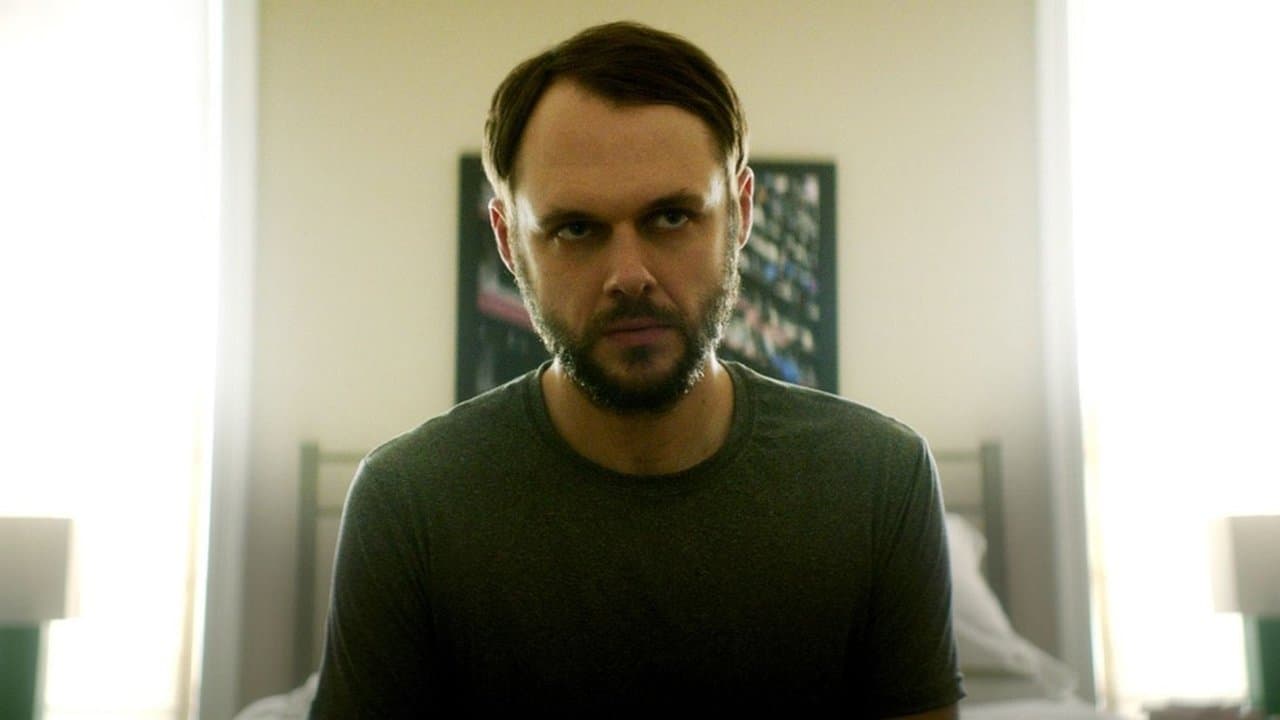
Camera Obscura follows a photojournalist who's come back from the horrors of Iraq, carrying invisible wounds that won't heal. He's supposed to be home now—supposed to rebuild his life, reconnect with family, find some semblance of normalcy. But normalcy isn't waiting for him. Instead, his camera becomes something else entirely: a window into something that shouldn't exist, a tool that captures more than light and shadow. The tagline says it all—"Take a picture. Take a life."—and it's not metaphorical. What starts as a struggle with post-traumatic stress disorder spirals into genuine psychological terror, where the viewer can't quite tell if what we're seeing is real breakdown or something genuinely supernatural creeping in at the edges.
Behind the making of Camera Obscura
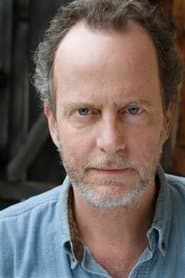
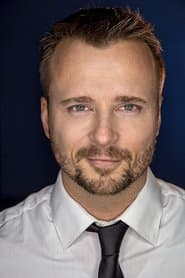
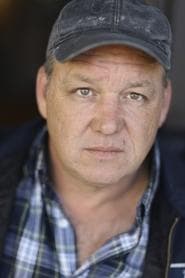
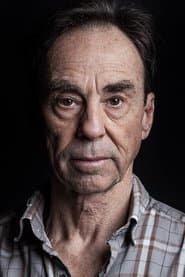
Camera Obscura marks the feature film directorial debut of Aaron B. Koontz, who co-wrote the script alongside Cameron Burns. It's a relatively modest production from Paper Street Pictures, Chiller Films, and Hood River Entertainment—the kind of indie horror effort that doesn't have blockbuster resources but can punch above its weight if the concept lands. The film runs 95 minutes and carries no MPAA rating, which gives it freedom to explore darker territory without studio pressure. The cast includes Christopher Denham in the lead role, alongside Nadja Bobyleva, Noah Segan, Catherine Curtin, Chase Williamson, and Andrew Sensenig. Denham, in particular, brings a haggard intensity to the role—someone you believe is genuinely unraveling. The film didn't light up the awards circuit (Metascore sits at 35/100), and it didn't become a mainstream breakout, but it found its audience among horror fans willing to sit with discomfort and ambiguity.
Why Camera Obscura struggles to land
Here's the thing about Camera Obscura—it's got the bones of something interesting, but execution matters, and critics weren't kind. Rotten Tomatoes gave it a 28% rating, and the IMDb score of 4.6/10 suggests audiences found it disappointing rather than genuinely frightening. What's striking is that the thematic core—PTSD, the weaponization of memory, the way trauma can distort perception—feels genuinely relevant, especially in a post-Iraq War landscape where photojournalists and soldiers were grappling with invisible injuries. The concept of a camera that doesn't just document but somehow takes something from its subject? That's got real horror potential. But somewhere between concept and execution, the film loses momentum. Audience reviews suggest the pacing drags, the scares don't land with impact, and the psychological elements that should haunt you instead just feel muddled. One viewer noted the film felt more boring than genuinely unsettling—and that might be the cruelest criticism a thriller can receive. The performances aren't the problem; Denham carries the weight of a fractured mind convincingly. It's more that the script doesn't quite trust its own premise enough to commit fully to either the supernatural horror or the psychological realism, leaving viewers suspended in a space that doesn't quite satisfy either appetite.
Where to stream Camera Obscura
If you're curious despite the mixed reception, Camera Obscura is available on major OTT services. The Movie OTT streaming widget at the top of this page shows you exactly which platforms currently have it in their catalog, so you can jump in without hunting around. It's one of those films that might work better for horror completists or anyone specifically interested in PTSD narratives than for casual viewers looking for a guaranteed good time. Since it's not a theatrical release you'd catch in cinemas, streaming is the only way to experience it, and it's worth checking availability before settling in.
Frequently asked questions
Q: Who directed Camera Obscura?
Aaron B. Koontz made his feature film directorial debut with Camera Obscura, co-writing the screenplay with Cameron Burns. It's a first-time feature that showed ambition, even if the execution divided audiences.
Q: Is Camera Obscura based on a true story?
No, it's an original screenplay, though the themes around war photography and PTSD draw on real psychological struggles that photojournalists and veterans face after combat exposure.
Q: What's the runtime of Camera Obscura?
The film runs 95 minutes, a fairly standard length for a thriller that doesn't overstay its welcome—though some viewers felt even that was too long.
Q: Where can I watch Camera Obscura online?
Camera Obscura is streaming on major OTT platforms. Check the where-to-watch widget above to see current availability in your region, as streaming rights shift frequently.
Q: Why did Camera Obscura get such low ratings?
Critics and audiences found the film's pacing uneven and its scares ineffective. While the premise about a photographer's descent into trauma-fueled horror had potential, the execution felt muddled—not quite committing fully to either psychological realism or supernatural horror, leaving viewers unsatisfied on both fronts.
Final thoughts on Camera Obscura
Camera Obscura is a film that swings for something meaningful—a horror story grounded in the very real trauma of war and the fragility of mental health. It doesn't quite connect. The ratings speak for themselves, and honestly, there are better films tackling similar themes with more precision and impact. But it's not without merit, and if you're drawn to experimental horror or interested in how indie filmmakers wrestle with PTSD narratives, it's worth a single viewing. Just don't expect a hidden gem. It's more of a noble misfire.