







The story of Cameraman: The Life and Work of Jack Cardiff
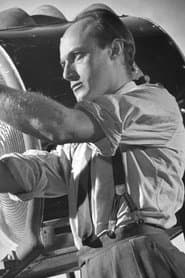
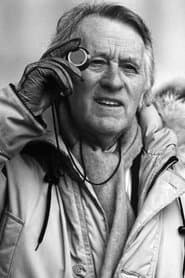
Cameraman: The Life and Work of Jack Cardiff is a 2010 documentary that traces the extraordinary career of one of cinema's most influential technical artists. Jack Cardiff (1914–2009) didn't just point cameras at scenes—he fundamentally shaped how audiences saw color, light, and movement on screen. The film opens by establishing his most famous achievement: becoming the first director of photography in Academy Awards history to win an Honorary Oscar, which he received in 2001 at age 87. But that honor capped a career that had already earned him a competitive Oscar decades earlier, when his Technicolor work on Powell and Pressburger's Black Narcissus won the Academy Award for Best Cinematography. What's striking is how the documentary doesn't just celebrate his accolades; it uses his life as a lens through which to examine the entire evolution of filmmaking itself.
The film follows Cardiff from his early days as Technicolor's first formally trained British operator—a position that set him on a path most cinematographers could never imagine—through his collaborations with some of cinema's greatest directors. He didn't just work with these masters; he helped define their visual language. Powell and Pressburger's The Red Shoes and A Matter of Life and Death remain impossible to imagine without Cardiff's color palette. He brought his technical mastery and artistic vision to John Huston's The African Queen, King Vidor's War and Peace, and films with Alfred Hitchcock and Henry Hathaway. Seventy years. That's the span of his working life, and the documentary makes clear that this wasn't a career that peaked early and faded—it was a constant evolution, a man who refused to become obsolete even as technology transformed around him.
Behind the making of Cameraman: The Life and Work of Jack Cardiff
Produced by Modus Operandi Films with backing from the UK Film Council, this 86-minute documentary was helmed as a serious archival project rather than a quick nostalgia piece. The filmmakers understood they were documenting not just a person but an entire era of cinema that was already slipping into history. What makes the production noteworthy is the caliber of interview subjects assembled—Martin Scorsese, Kirk Douglas, Charlton Heston, Lauren Bacall, Kim Hunter, Kathleen Byron, John Mills, Alan Parker, and Richard Fleischer all sat down to discuss Cardiff's influence on their own work. That's not a list you assemble without serious institutional credibility and a deep commitment to the subject.
The documentary carries a 6.625 IMDb rating, which places it solidly in the respectable range for specialized documentaries—not a crowd-pleaser necessarily, but valued by those who engage with film history seriously. It's the kind of project that doesn't chase viral moments; instead, it builds a case through testimony and archival material. The runtime of 86 minutes is precisely calibrated—long enough to do justice to seven decades of work, short enough to maintain momentum and focus. Cardiff himself was interviewed for the film before his death in 2009, adding an intimate dimension that would've been impossible had production come even a few years later. That's a reminder of how fragile these historical records are, how dependent on timing and access.
What makes Cameraman: The Life and Work of Jack Cardiff stand out
Here's what I keep coming back to: this isn't a film about a technician. It's a film about an artist who happened to work through technology. The distinction matters. Plenty of documentaries about behind-the-scenes craftspeople can feel dry, a recitation of technical specifications and career milestones. But Cameraman taps into something deeper—the way Cardiff's choices weren't just about exposure and color temperature; they were about storytelling. When Scorsese talks about Cardiff's work, he's not discussing camera mechanics. He's discussing how light and color feel, how they make you believe in a world.
The film works because it refuses to separate Cardiff's technical mastery from his artistic sensibility. Yes, he was the first British operator trained by Technicolor, and yes, that gave him an advantage when three-strip Technicolor was the cutting edge. But what he did with that knowledge—the way he understood that Technicolor's saturation could express emotion, that color itself could be a character in a film—that's what the documentary captures. You see clips from The Red Shoes, and you understand immediately why it's considered a masterpiece not just of direction but of cinematography. The red ballet, the impossible reds that shouldn't work but do, that's Cardiff's vision made visible.
What's also striking is how the film serves as an informal history of cinema itself. By following Cardiff's career, you're essentially watching the medium evolve from Technicolor's early three-strip process through to color film stock and beyond. Directors, actors, and cinematographers who worked with him provide not just personal tributes but context—how filmmaking changed, what Cardiff meant to different eras, why his influence persisted even as technology shifted beneath everyone's feet. It's an illustrative history wrapped in a biography, which is probably why it resonates with serious film students and historians.
Where to stream Cameraman: The Life and Work of Jack Cardiff online
Cameraman: The Life and Work of Jack Cardiff is currently available on major OTT services. Check the "Where to Watch" widget at the top of this page for the complete, up-to-date list of streaming platforms carrying the film in your region. Movie OTT aggregates availability across all major services, so you can see exactly where it's streaming right now without having to hunt across five different apps. If you're a serious film enthusiast—and if you're reading this, you probably are—it's the kind of documentary that rewards watching on a screen large enough to appreciate Cardiff's compositions. The color work in the clips shown throughout the film is central to understanding his legacy, so streaming quality matters here more than it might for a typical documentary.
Frequently asked questions
Q: Who was Jack Cardiff and why is he important to film history?
Jack Cardiff (1914–2009) was a pioneering British cinematographer who became the first director of photography to win an Honorary Oscar. He was Technicolor's first formally trained British operator and worked with legendary directors including Powell and Pressburger, John Huston, and Alfred Hitchcock, helping define the visual language of cinema for seven decades.
Q: What films is Jack Cardiff most famous for?
Cardiff is best known for his cinematography on Black Narcissus (for which he won a competitive Oscar), The Red Shoes, A Matter of Life and Death, The African Queen, and War and Peace. His work with Powell and Pressburger is particularly celebrated for revolutionizing the use of Technicolor in film.
Q: When was Cameraman: The Life and Work of Jack Cardiff released?
The documentary was released in 2010 and runs 86 minutes. It was produced by Modus Operandi Films with support from the UK Film Council.
Q: Does the documentary include interviews with Cardiff himself?
Yes, the film features interviews with Jack Cardiff himself, conducted before his death in 2009. It also includes extensive interviews with major directors and actors who worked with him, including Martin Scorsese, Kirk Douglas, Charlton Heston, and Lauren Bacall.
Q: Is Cameraman: The Life and Work of Jack Cardiff suitable for casual viewers or only film historians?
While the documentary will deeply reward film students and cinema history enthusiasts, it's also accessible to anyone interested in how movies are made and the artistry behind cinematography. The interviews provide context that makes the technical aspects understandable without prior knowledge.
Final thoughts on Cameraman: The Life and Work of Jack Cardiff
This documentary won't be for everyone—it's a specialized film about a specialized subject, made by people who clearly understood their audience. But for anyone who's ever wondered why certain films look the way they do, why color matters, or how one person's artistic vision can shape an entire medium, it's essential viewing. Cardiff's story is ultimately about mastery earned through decades of work, about refusing to become obsolete, and about the profound impact one craftsperson can have on art. The film honors that legacy without sentimentality. It's a document worth preserving, and worth watching.