
The Story of Candy Cane Christmas
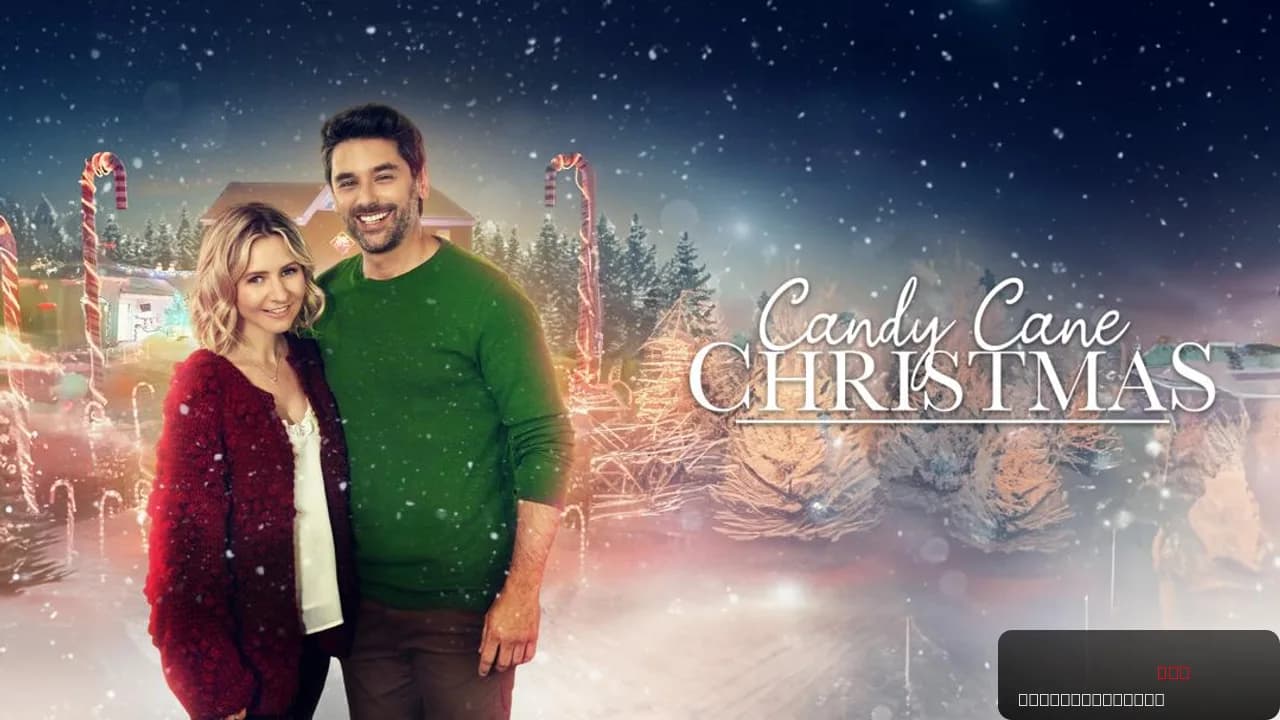
Candy Cane Christmas tells the story of Phoebe, a woman for whom the annual Candy Cane Lane decoration ritual has been the emotional anchor of the holiday season since childhood. It's the one tradition she counts on, the one constant that makes December feel like December. But this year, everything changes when her neighborhood decides to skip the decorations entirely—a decision that doesn't just disappoint her, it upends her whole sense of what the holidays are supposed to be. Suddenly untethered from the tradition she's built her seasonal identity around, Phoebe finds herself searching for something new, something that might fill the void left behind. What unfolds is less about finding a replacement tradition and more about a deeper realization: that the heart of the holidays isn't in the lights or the tinsel, but in the people standing beside you when they glow. And in Phoebe's case, that realization comes wrapped up with romance, as she stumbles upon the final missing ingredient to make her Christmas complete.
Behind the Making of Candy Cane Christmas
Directed by Adrian Langley, Candy Cane Christmas arrived in 2020 as a Canadian production with a runtime of 90 minutes—tight enough to feel like a breezy holiday escape, long enough to develop its emotional core. The film stars Beverley Mitchell in the lead role, bringing her established presence in television and film to Phoebe's journey. Mitchell's casting signals a project aimed at the core holiday-movie demographic that tunes in for Hallmark and Lifetime fare during the festive season. Alongside her is Mark Ghanimé, who carries the romantic counterweight to Mitchell's character, with supporting turns from Mark Day, Derek Johns, Bénédicte Bélizaire, Brett Geddes, and Trudy Weiss rounding out the ensemble. While Candy Cane Christmas didn't generate major box-office noise—it's a streaming-native title, after all—it represents the kind of mid-budget holiday content that networks and platforms have learned audiences will reliably watch during the fourth quarter. The film sits at a 5.5 rating on IMDb, a score that reflects the polarized nature of holiday romance films: they either hit exactly right for their intended viewer, or they don't land at all. There's rarely middle ground.
What Makes Candy Cane Christmas Stand Out
What's striking about Candy Cane Christmas is that it doesn't pretend to be something it isn't. This isn't a high-concept thriller or a prestige drama; it's a straightforward holiday romance that understands its own lane. The film's real strength lies in how it treats Phoebe's disappointment not as a plot obstacle to overcome with a montage, but as a genuine emotional crisis. When the neighborhood tradition dissolves, it's not just sad—it's the kind of small, specific loss that actually rings true, because we've all had those moments where something we took for granted suddenly vanishes. Beverley Mitchell brings a grounded quality to this disappointment, playing Phoebe with enough vulnerability that you believe her investment in Candy Cane Lane isn't shallow nostalgia but genuine identity. The romance element, when it enters, doesn't bulldoze the emotional work; instead, it threads through the narrative as another form of discovery, another way Phoebe learns that traditions and rituals matter less than the connections they facilitate. Mark Ghanimé's presence provides a counterbalance—he's not a knight in shining armor swooping in to fix everything, but rather another person learning alongside Phoebe that the holidays are about presence, not performance. What nobody mentions about films like this is that they often work because they're not trying to be clever. They're trying to be felt.
Where to Stream Candy Cane Christmas Online
Candy Cane Christmas is currently available on Prime Video, making it accessible to the massive Prime subscriber base during the holiday season. If you're already an Amazon Prime member, you can fire it up without an additional subscription—though it may also be available for rental or purchase depending on your region and the time of year. Movie OTT tracks where this title and hundreds of other holiday films are streaming across different platforms, so you can check real-time availability before you settle in. Streaming rights can shift, especially for seasonal content, so it's worth confirming via the Where to Watch widget at the top of this page before you start hunting. The 90-minute runtime makes it perfect for a weeknight holiday watch, or a lazy weekend afternoon when you want something warm and undemanding.
Frequently Asked Questions
Q: Where can I watch Candy Cane Christmas?
Candy Cane Christmas is currently streaming on Prime Video. Availability may vary by region and can change seasonally, so check the Where to Watch widget on this page for the most up-to-date information.
Q: Who directed Candy Cane Christmas?
Adrian Langley directed the film, bringing the holiday romance to screen with a focus on character and emotional authenticity over high-concept plotting.
Q: What year was Candy Cane Christmas released?
The film was released in 2020 as a Canadian production, arriving during the peak season for holiday content.
Q: Is Candy Cane Christmas based on a true story?
No, Candy Cane Christmas is an original fictional story about a woman and her cherished neighborhood tradition, not an adaptation of real events.
Q: How long is Candy Cane Christmas?
The film runs 90 minutes, making it a compact holiday romance that doesn't overstay its welcome.
Final Thoughts on Candy Cane Christmas
Candy Cane Christmas won't win awards for originality or narrative boldness—and that's fine. What it does is deliver exactly what it promises: a holiday romance that takes its emotional core seriously, even when the plot itself follows familiar beats. If you're the kind of viewer who lights candles, makes hot chocolate, and genuinely wants a film that feels like a warm hug rather than a challenge to your intellect, this one's for you. The film understands that the best holiday movies aren't about spectacle; they're about permission—permission to feel nostalgic, permission to want connection, permission to believe that love and tradition matter. Beverley Mitchell and Mark Ghanimé share an easy chemistry that makes the romantic elements feel earned rather than obligatory. It's the kind of film you'll probably forget you watched by March, but in December, when you're in exactly the right mood, it'll feel like the perfect thing.