
The story of Cape Fear: A lawyer's worst nightmare comes calling
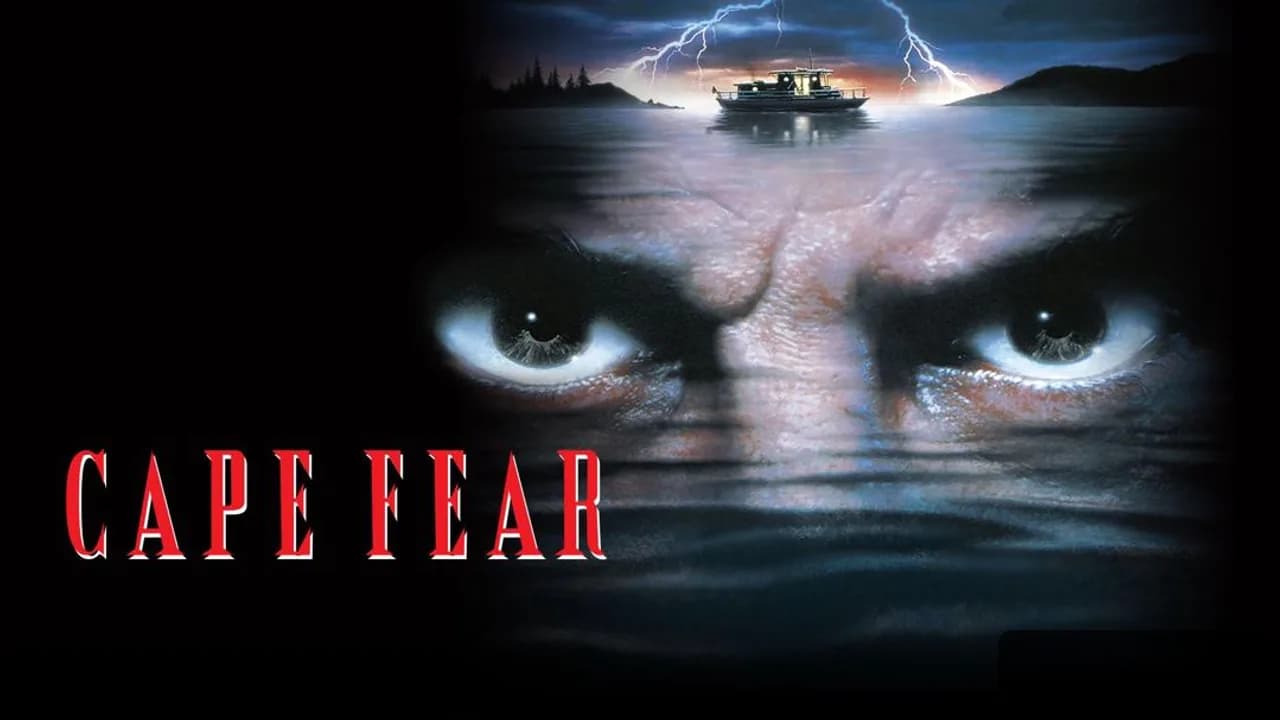
Cape Fear tells the story of a man released from prison after serving eighteen years for a crime that wasn't quite what it seemed. Max Cady arrives on the doorstep of his former public defender, Sam Bowden, with a red sports car, a cigar, and eighteen years of rage simmering beneath the surface. The reason? Bowden buried evidence during the trial—evidence that might have changed everything. What unfolds isn't a simple revenge plot but something far more insidious: a psychological campaign designed to destroy Bowden's family from the inside out. The film doesn't just show violence; it shows the slow, methodical erosion of a man's sense of safety, his marriage, his relationship with his teenage daughter. It's a Southern Gothic nightmare dressed up in 1990s Atlanta humidity.
Behind the making of Cape Fear: Scorsese's ambitious remake
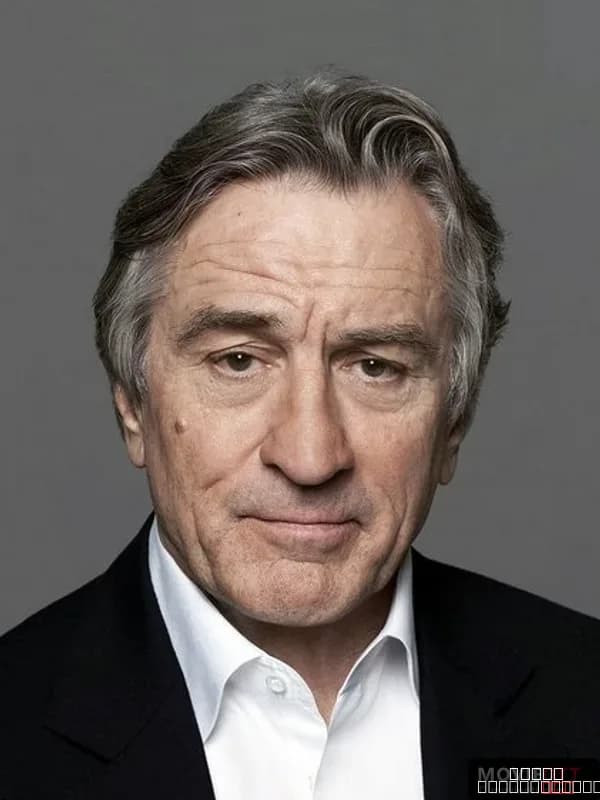
Martin Scorsese didn't approach this project as a straightforward update. Instead, he saw Cape Fear as an opportunity to remake a 1962 film that itself was based on John D. MacDonald's 1957 novel The Executioners—and he brought considerable star power to bear. Robert De Niro, coming off his iconic work in Goodfellas, took on the role of Max Cady with an intensity that would define his villain work for years. Nick Nolte played the morally compromised lawyer, while Jessica Lange and Juliette Lewis rounded out the Bowden family as the collateral damage in Cady's vendetta. What's particularly clever is Scorsese's nod to the original film: Robert Mitchum, Gregory Peck, and Martin Balsam—all stars of the 1962 version—appear in cameo roles, creating a meta-textual conversation between the two eras of filmmaking. The film ran 127 minutes and carried an R rating for violence and language. Released in November 1991, it became a commercial success, grossing over $182 million worldwide and proving that remakes, when executed with genuine artistry, can justify their existence. Movie OTT tracks where remakes like this one are currently streaming, making it easy to revisit Scorsese's catalog across platforms.
What makes Cape Fear stand out: De Niro's charisma and Scorsese's craft
Here's the thing that separates Cape Fear from run-of-the-mill revenge thrillers: Max Cady is charming. De Niro plays him with a serpentine intelligence and dark wit that makes him genuinely seductive—particularly when he targets Bowden's teenage daughter, Danielle, posing as her drama teacher. He's not a one-note psychopath; he's someone who can quote Dostoyevsky, flirt his way into a family's confidence, and then turn that intimacy into a weapon. The performance works because De Niro never lets you forget that beneath the civility is something stone-cold and merciless. Scorsese, meanwhile, constructs the film as a pressure cooker. He uses Bernard Herrmann's unsettling score (the composer's final work before his death) to create a sense of dread that's almost unbearable. The cinematography by Freddie Francis bathes scenes in shadow and humidity, making even daylight feel threatening. What's striking is how the film treats the Bowden family's disintegration—Nolte's Sam isn't a hero; he's a man whose past sins are literally stalking him, and his family pays the price for his moral compromise. The ambiguity of who's truly guilty, who deserves punishment, that's where Scorsese elevates the material beyond simple suspense.
Where to stream Cape Fear online
Cape Fear is currently available on Prime Video, where you can stream it on demand. If you're looking to check availability across multiple platforms—since streaming rights shift—Movie OTT's Where to Watch widget at the top of this page will show you all the current options. The 127-minute runtime means you'll want to carve out a solid evening; this isn't background viewing. It's the kind of film that demands your full attention, especially during the third act when Scorsese pulls out all the stops with a climactic sequence that's genuinely harrowing.
Frequently asked questions
Q: Is Cape Fear a remake, and if so, what's different from the original?
Yes—Scorsese's 1991 version remakes the 1962 film, which was itself based on John D. MacDonald's novel The Executioners. The new version is darker, more psychologically complex, and leans harder into the moral ambiguity of the protagonist's guilt. Scorsese also adds cameos from stars of the original film (Mitchum, Peck, Balsam), creating a clever bridge between the two versions.
Q: Who directed Cape Fear and what's his filmmaking style like?
Martin Scorsese directed Cape Fear, bringing his signature style of psychological tension, meticulous cinematography, and morally complicated characters. He's known for exploring guilt, violence, and redemption—themes that run throughout this film. The score by Bernard Herrmann (his final composition) is essential to the film's oppressive atmosphere.
Q: What's Robert De Niro's role in Cape Fear?
De Niro plays Max Cady, a man released from prison after eighteen years who systematically terrorizes his former public defender and the man's family. It's widely considered one of De Niro's greatest villain performances because Cady is intelligent, charismatic, and terrifying—never a one-dimensional monster.
Q: Is Cape Fear based on a true story?
No, it's based on John D. MacDonald's 1957 novel The Executioners, which is a work of fiction. However, the themes of legal injustice and revenge are universal enough that the story feels grounded and plausible.
Q: How long is Cape Fear, and what's the rating?
The film runs 127 minutes and is rated R for violence, language, and some sexual content. It's not a quick watch, but the pacing rarely drags—Scorsese keeps the pressure on throughout.
Final thoughts on Cape Fear
If you're in the mood for a thriller that doesn't treat its audience like children, Cape Fear delivers. It's a film about the cost of moral compromise, the randomness of justice, and the terrifying realization that sometimes the system fails—and sometimes that failure comes back to haunt you. De Niro's performance alone is worth the runtime. It's not comfortable viewing, but it's essential cinema from one of the greatest directors working in the medium.