What Capsule is about — and why the setup matters
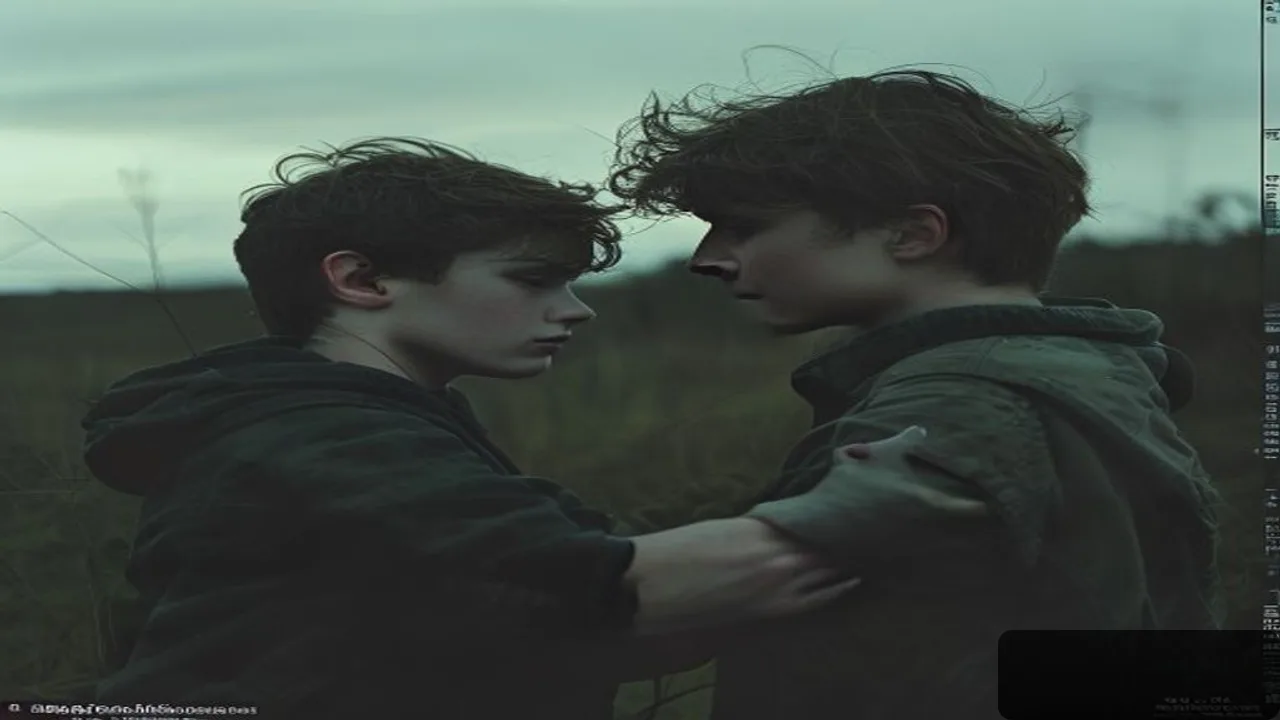
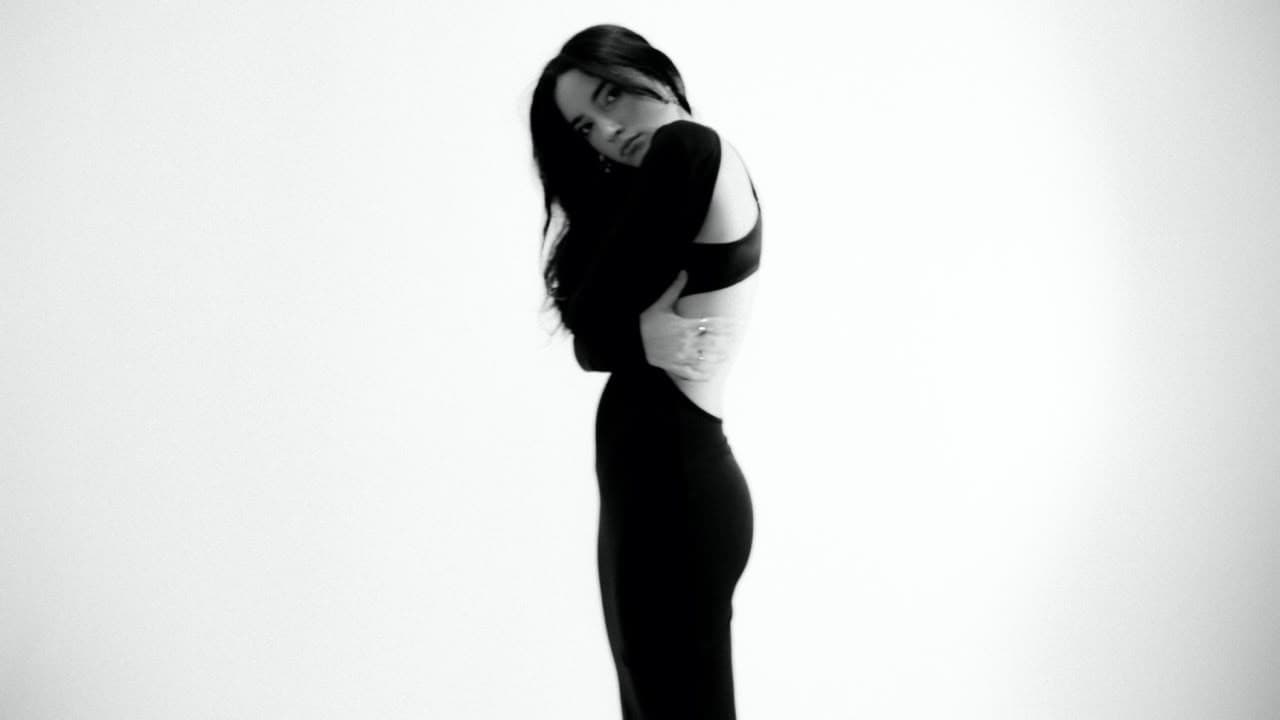
Capsule is a 2026 short drama that places two creative people — a photographer and a writer — inside a single enclosed studio and watches what happens when the act of making something bleeds into something more personal. The film's tagline, "Your body is not your own when you're a vessel for someone else's vision," arrives like a thesis statement before the first frame even rolls, and the story earns that weight. There's no sprawling backstory here, no subplot pulling focus. Just two people, their work, and the unspoken current running between them. At six minutes total runtime, Capsule commits fully to its premise — it doesn't have the luxury of stalling, and it doesn't try to. The confined setting functions almost like a pressure cooker, and the drama and romance genres listed for this film aren't in conflict; they're the same thing, just named differently depending on which character you're watching.
Behind the making of Capsule — production context and what we know
Production details for Capsule are, honestly, sparse. Hard to say if that's a deliberate strategy from the filmmakers or simply a byproduct of how quietly the project entered the world, but as of this writing, no major trade coverage has surfaced with confirmed director or cast credits. Searches across film databases and festival programs for 2026 — including the Boulder International Film Festival's published program and capsule-review roundups like the one running over at Haunted Jukebox — don't surface a clear entry for this specific title, which places it in an interesting category: films that exist more in the streaming ecosystem than in the traditional festival-to-theatrical pipeline.
That's not unusual for short-form dramatic work in 2026. The six-minute runtime situates Capsule firmly in the territory of short film rather than feature, and shorts have always had a different relationship with publicity infrastructure. There's no box office to report — a film this brief doesn't play in multiplexes chasing opening-weekend numbers. No MPAA rating has been widely circulated, and the IMDb page currently sits without a user score, which is either a sign of extreme newness or limited public exposure. What Movie OTT tracks in its streaming availability data suggests the film has found its way onto major OTT platforms, which is increasingly how short dramatic work reaches an audience in the first place. Awards recognition, if any has come, hasn't been widely reported — though it's worth noting that short films often collect festival prizes months before anyone outside the circuit hears about them.
Why Capsule works — the craft inside six compressed minutes
What's striking is how much tonal work the film does without dialogue doing the heavy lifting. The premise — a photographer and a writer sharing creative and physical space — is deceptively simple, but the dramatic tension in Capsule comes from the same place a lot of good short fiction comes from: the gap between what people are ostensibly doing and what they actually want. The photographer frames. The writer observes. And somewhere in that exchange, the roles start to slip.
The tagline does something smart by framing the body as a site of contested ownership — "a vessel for someone else's vision" — which gives the romance genre label a slightly uncomfortable edge. This isn't a love story in the conventional sense. It's a story about what it costs to be seen, and whether being seen by someone who's also trying to capture you artistically is intimacy or extraction. That's a genuinely thorny question, and a six-minute runtime actually serves it well; the film can raise the question without being obligated to resolve it neatly.
Craft-wise, the enclosed studio setting demands strong visual composition, and the drama-romance pairing suggests the filmmakers understood that the space itself needed to do characterization work. I keep coming back to the idea that the best short films function like short stories — they trust the reader to carry meaning across the white space. Capsule, from what its premise and tagline signal, seems to operate exactly that way. Movieott.com has been tracking this title since it appeared on streaming platforms, and the editorial team here found the film's compression of theme into such a tight runtime genuinely worth examining.
Where to stream Capsule online right now
Capsule is currently available on major OTT services, which means you don't need to hunt through festival archives or obscure databases to find it. The Where to Watch widget at the top of this page has the most current and accurate platform breakdown — Movie OTT updates streaming availability in real time across services including Netflix, Prime Video, and others, so that widget is your most reliable first stop. Given the film's six-minute runtime, there's a reasonable chance it appears as part of a short-film collection or curated drama programming block on whichever platform carries it. Short-form content has found a genuine home on streaming, and Capsule fits neatly into the kind of programming these platforms use to fill the space between features.
Frequently asked questions
Q: Where can I watch Capsule (2026)?
Capsule is currently streaming on major OTT platforms. Check the Where to Watch widget at the top of this page on Movie OTT for the most up-to-date platform listings, as availability can shift.
Q: How long is Capsule — is it a short film or a feature?
Capsule has an official runtime of six minutes, which firmly places it in short-film territory rather than feature-length drama. That brevity is part of its identity — the story is designed to work within that tight frame.
Q: Who directed Capsule (2026)?
Director credits for Capsule have not been widely confirmed in publicly available sources as of this writing. Trade coverage and major database listings haven't surfaced verified production credits, which is not uncommon for short-form streaming releases.
Q: What is the tagline for Capsule?
The film's official tagline is "Your body is not your own when you're a vessel for someone else's vision," which signals the film's thematic interest in creative ownership, desire, and the cost of being someone else's subject.
Q: Is Capsule based on a true story or a book?
There's no publicly documented source material — no confirmed novel, memoir, or real-life event — tied to Capsule. It appears to be an original work, though without full production credits confirmed, that can't be stated with complete certainty.
Final thoughts on Capsule — who should watch it
Six minutes. That's all Capsule asks of you — and that's genuinely part of the pitch. If you're drawn to short-form drama that treats its runtime as a creative constraint rather than a limitation, this one deserves your attention. The premise alone — two artists circling each other in a closed room, creation and desire becoming indistinguishable — is the kind of setup that rewards viewers who like their romance with friction in it. Movie OTT recommends it for fans of intimate, character-driven work where the atmosphere does as much storytelling as the script. Not for everyone. But for the right viewer, exactly right.