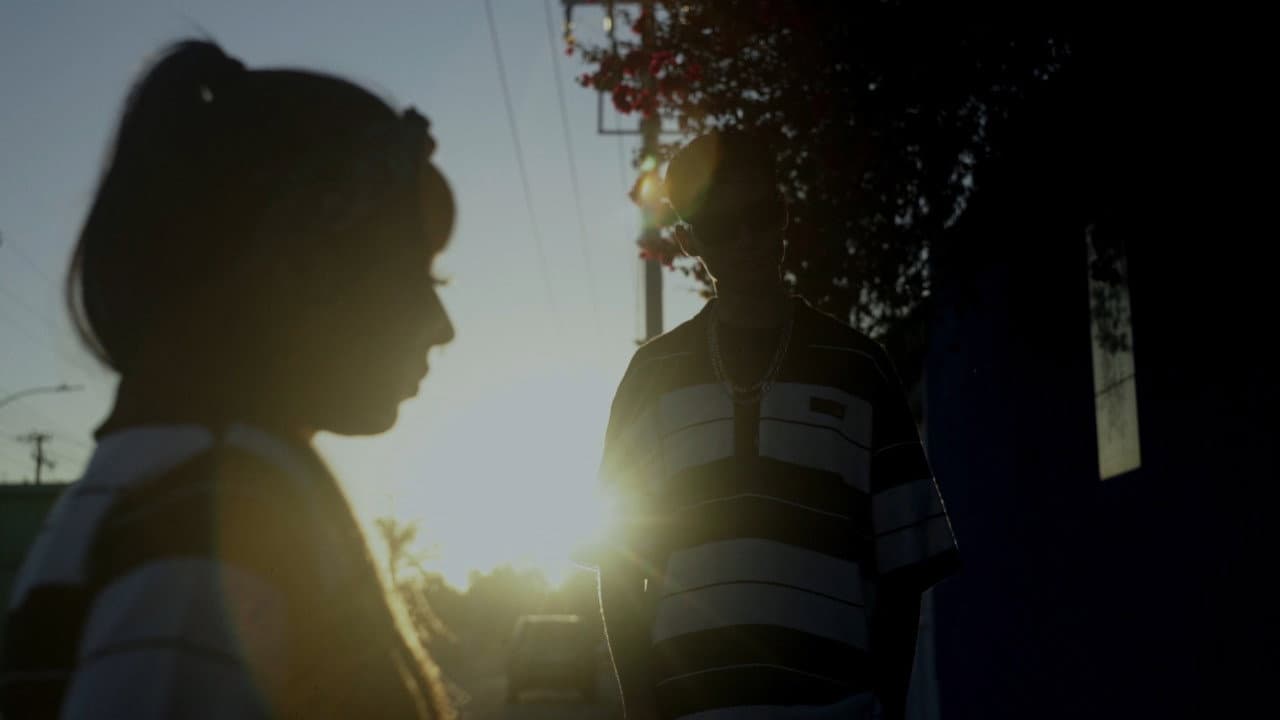
The Story of Carnalismo
Carnalismo isn't your typical documentary. It's a portrait of a subculture that's thrived in the shadows of Durango, Mexico—one built on the unlikely marriage of custom bicycles and cumbia rhythms. The Low Biker community has created something genuinely singular: a collective identity forged not through violence or rebellion, but through shared aesthetic passion and neighborhood solidarity. What the film captures, at its core, is how these riders have woven themselves into the fabric of their city, creating a culture that's both deeply rooted and perpetually under siege from the world around them. The documentary doesn't shy away from the harder edges of their reality—discrimination, prejudice, and the daily struggle to simply exist as they choose.
Behind the Making of Carnalismo
Carnalismo emerged from a collaborative effort that brought together multiple production houses—ASA Cine, Sagicornio Cine, G.Sucio, Nortres Films, and Fútbol Norteño—all betting that this story deserved to be told with care and specificity. The 2024 release marks a significant moment for documentary cinema in Mexico, where regional subcultures rarely get this kind of sustained attention from the broader film industry. These production companies didn't parachute in to exploit the subject; they built relationships. That distinction matters. The filmmakers spent genuine time embedded in the community, learning the rhythms of Low Biker life—the weekend rides, the bike customization rituals, the way cumbia becomes a language when words fail. Without major studio backing or A-list talent attached, Carnalismo had to rely on the strength of its subject and the authenticity of its access. It's the kind of documentary that gets made because someone believed the story was worth the risk.
What Makes Carnalismo Stand Out
There's something striking about how Carnalismo refuses easy sentimentality. The film could've played it safe—"look at these colorful, misunderstood rebels"—but instead it sits with the complexity of what it means to be part of a community that society actively rejects. What I keep coming back to is how the documentary balances celebration with honesty. Yes, the bikes are gorgeous. Yes, the cumbia soundtrack pulses through every frame. But the film doesn't let viewers off the hook by pretending these elements are enough to shield the riders from real harm. The discrimination they face isn't abstract or theoretical—it's embedded in daily interactions, police encounters, and the constant pressure to assimilate. The thing nobody mentions is how hard it is to maintain cultural pride when the culture you're proud of marks you as an outsider. Carnalismo captures that tension without resolving it, which is exactly what makes it feel honest. The cinematography frames the custom bikes with genuine artistry—chrome and paint jobs become visual poetry—while the interviews and observational sequences ground everything in lived experience rather than romanticized mythology.
Where to Stream Carnalismo Online
Carnalismo is available across major OTT services, making it accessible to viewers far beyond Durango. Movie OTT tracks current streaming availability across platforms, so you can find exactly where it's playing in your region without the guesswork. The film's distribution on these major services is significant—it means a documentary about a hyperlocal community can reach a genuinely global audience. Whether you're watching on a platform you already subscribe to or adding a new service to your rotation, the Where to Watch widget at the top of this page shows you every option available right now. Streaming has fundamentally changed how niche documentaries find their audience, and Carnalismo is proof that regional stories can break through when they're given proper distribution.
Frequently asked questions
Q: What is the Low Biker culture in Carnalismo about?
The Low Biker community of Durango has created a subculture centered on custom bicycles and cumbia music that unites neighborhoods across the city. It's a form of cultural expression and community identity that's become central to how these riders understand themselves and their place in their city.
Q: Is Carnalismo based on a true story?
Yes—Carnalismo is a documentary, so it documents real people, real culture, and real experiences. The Low Biker community is an actual subculture in Durango, and the film captures genuine relationships and lived realities rather than fictional narratives.
Q: Who produced Carnalismo?
The film was produced by a collaborative effort from five production companies: ASA Cine, Sagicornio Cine, G.Sucio, Nortres Films, and Fútbol Norteño. This multi-company approach allowed the filmmakers to bring sustained resources and local expertise to the project.
Q: Where can I watch Carnalismo?
Carnalismo is available on major OTT streaming services. Check the Where to Watch widget on this page to see which platforms currently have it available in your region.
Q: Why does Carnalismo focus on discrimination in the Low Biker community?
The documentary doesn't shy away from the social reality these riders face—prejudice and discrimination are integral to their lived experience. By centering these challenges alongside the joy and beauty of their culture, the film presents a complete and honest portrait rather than a sanitized version.
Who Should Watch Carnalismo
Carnalismo speaks to anyone curious about how subcultures survive and thrive in hostile environments. If you've ever felt like an outsider, or if you're interested in how communities build identity through shared passion—whether that's bikes, music, or something else entirely—this documentary will grab you. It's not a film that demands you agree with everything or fully understand every reference; it asks you to witness something genuine. That's rare. The film works equally well for documentary enthusiasts and for viewers who simply want to spend ninety minutes in a world radically different from their own. It's a reminder that culture doesn't need mainstream approval to be vital and real.