







What Cars is really about: more than just a racing movie
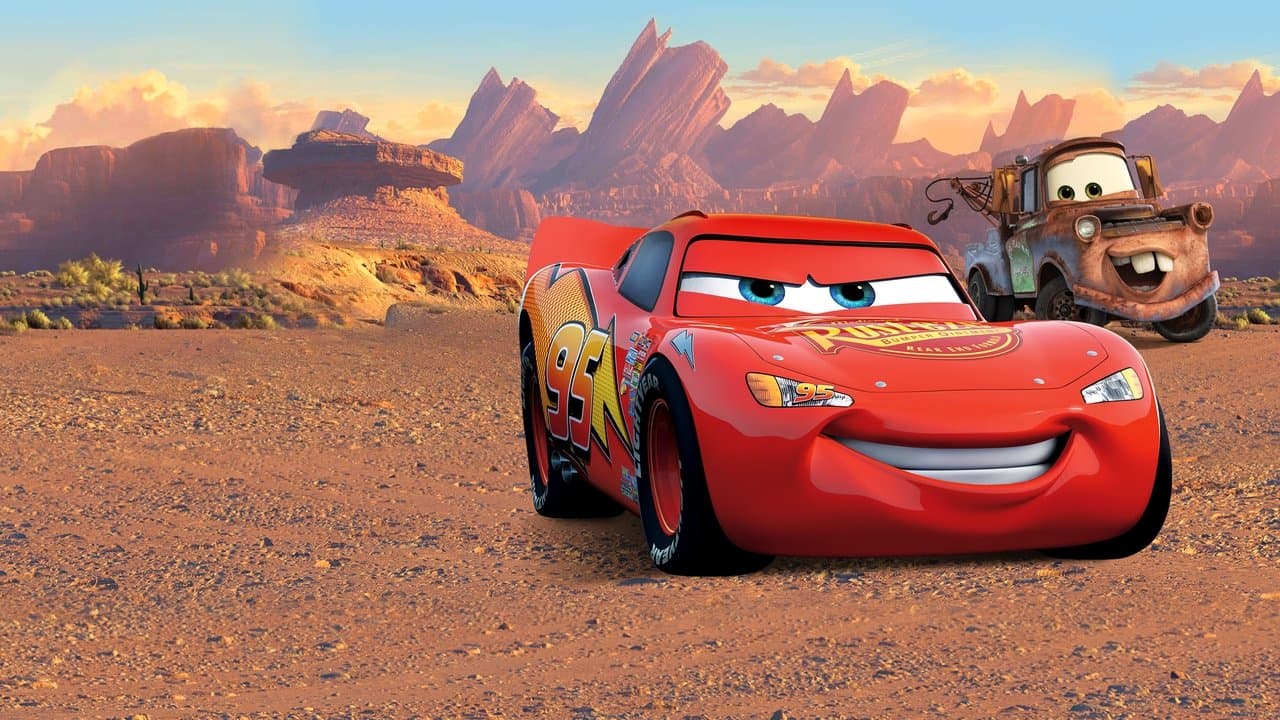
Cars tells the story of Lightning McQueen, a cocky rookie race car obsessed with winning the Piston Cup Championship. He's got talent, speed, and absolutely no patience for anything that doesn't serve his ambition. Then his GPS malfunctions, he crashes through the road, and suddenly he's stranded in Radiator Springs—a dying little town on Route 66 that time forgot. What starts as an inconvenient detour becomes something unexpected: a genuine reckoning with what actually matters. The film doesn't just show McQueen learning a lesson; it lets him experience it through relationships with the town's quirky cast of characters, each with their own stories of glory days and second chances. It's a deceptively simple premise that carries real emotional weight.
Behind the making of Cars: Pixar's ambitious production and star power
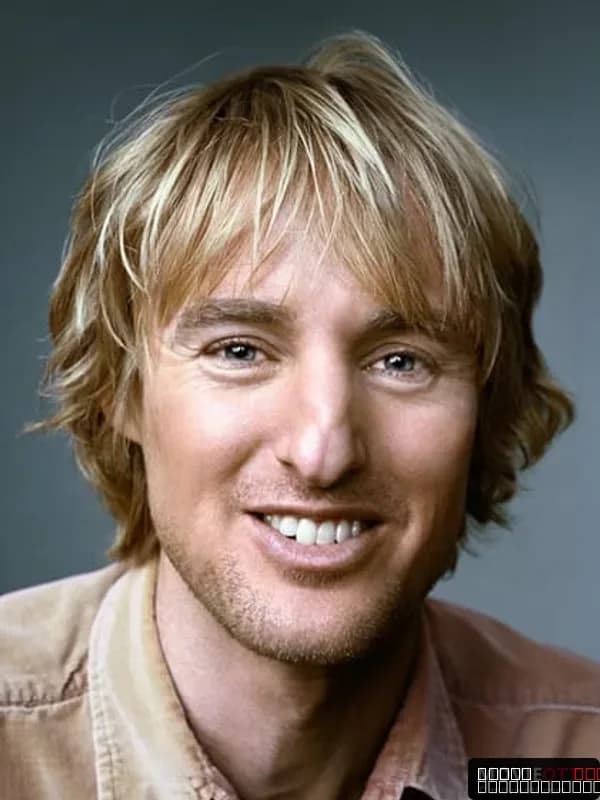
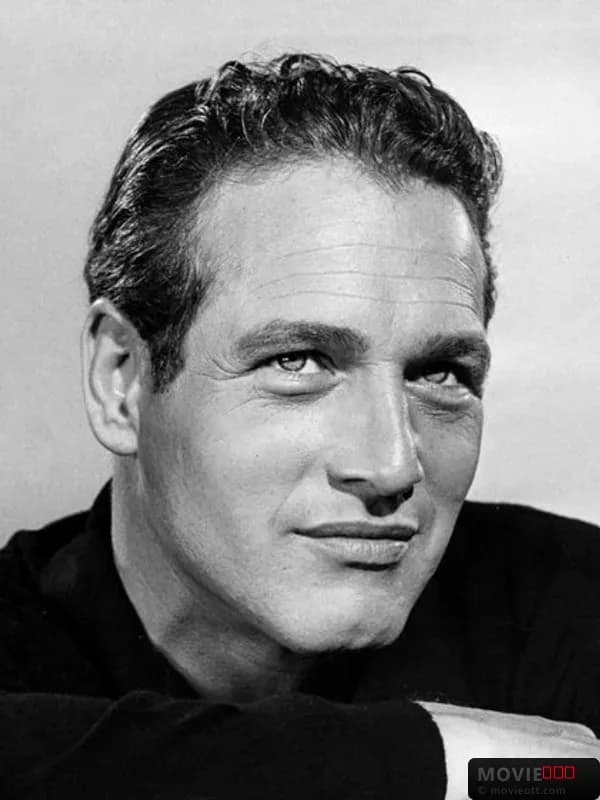
Director John Lasseter, working with co-writers Joe Ranft, Dan Fogelman, and others, set out to make something that felt distinctly American—a love letter to Route 66 mythology and car culture. The production was ambitious for 2006. Pixar didn't just model cars; they researched actual vehicles, studied racing dynamics, and consulted with real drivers to get the physics and personality right. The voice cast was stellar: Owen Wilson as McQueen brought an earnest, slightly arrogant charm; Paul Newman (in one of his final roles) voiced the legendary Doc Hudson with gravitas and warmth; and a supporting ensemble including Bonnie Hunt, Larry the Cable Guy, Tony Shalhoub, and Michael Keaton added texture and humor to Radiator Springs. The film became a commercial juggernaut—grossing over $460 million worldwide and launching what would become a franchise. It wasn't just successful at the box office; it resonated enough to spawn sequels, merchandise, and a cultural footprint that persists nearly two decades later.
Why Cars works: the voice performances and emotional core that hold it together
What's striking is how the film balances broad comedy with genuine sentiment. Owen Wilson's performance as McQueen captures that specific kind of arrogance that comes from never having failed—there's no meanness in it, just blindness. When he finally starts to see the people around him, Wilson's voice acting shifts subtly; you can hear the character actually changing. Paul Newman's Doc Hudson is the emotional anchor. He's gruff, measured, and carries the weight of a past we don't fully understand until late in the film—and that mystery, that restraint, makes his eventual vulnerability hit harder. The supporting cast doesn't phone it in either. Bonnie Hunt's Sally is warm without being saccharine. Tony Shalhoub's Guido is hilarious and oddly touching. The animation itself is gorgeous in a way that still holds up; the rendering of chrome, paint, and landscape has a tactile quality that makes you forget you're watching pixels. I keep coming back to the scene where McQueen first sees Radiator Springs at dusk—the neon signs flickering on, the old motel glowing. It's not just pretty; it's melancholic. It's mourning something.
Reviewers and audiences have generally praised the film for refusing to make its villain a simple obstacle. The two competing racers McQueen faces aren't evil; they're just younger, faster versions of what he'll become if he doesn't change. That's a more sophisticated narrative choice than you'd expect from a kids' movie. The racing sequences themselves are tense and well-choreographed, even if—as some critics noted—the film doesn't go for photorealistic racing. It doesn't need to. The stakes are emotional, not technical.
Where to stream Cars online and check current availability
Cars is available on major OTT services, and the Movie OTT "Where to Watch" widget at the top of this page will show you exactly which platforms have it right now. Streaming rights shift between services, so what's available today might change in a few months—that's why checking current availability before you hit play matters. Movie OTT tracks these changes across all the major platforms, so you won't waste time searching. The film's 117-minute runtime makes it a perfect evening watch, whether you're introducing it to kids for the first time or revisiting it yourself.
Frequently asked questions
Q: Who directed Cars?
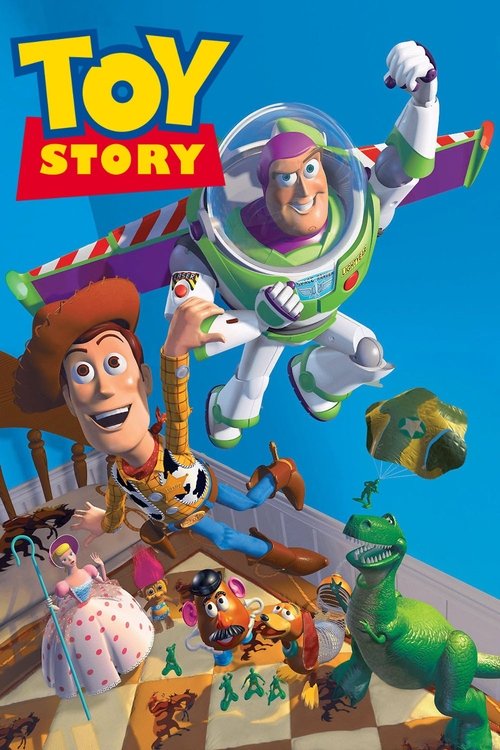
John Lasseter directed the film and co-wrote it with Joe Ranft, Dan Fogelman, and several other writers. Lasseter was already legendary at Pixar for directing Toy Story and A Bug's Life, and Cars showcased his ability to blend humor with genuine heart.
Q: Is Cars based on a true story?
No, Cars is an original story, though it's deeply inspired by Route 66 history and American car culture. The film celebrates the mythology of the highway and small towns that were bypassed when the interstate system was built—that's real history, but McQueen and Radiator Springs are entirely fictional.
Q: What's the runtime of Cars?
The film runs 117 minutes, making it a standard feature length that works well for family viewing without feeling too long for younger viewers.
Q: Why is Cars rated the way it is?
Cars is rated G, making it appropriate for all audiences. There's no violence, crude language, or sexual content—it's a genuine family film, though adults will find plenty to appreciate in its themes and execution.
Q: Is Cars part of a franchise?
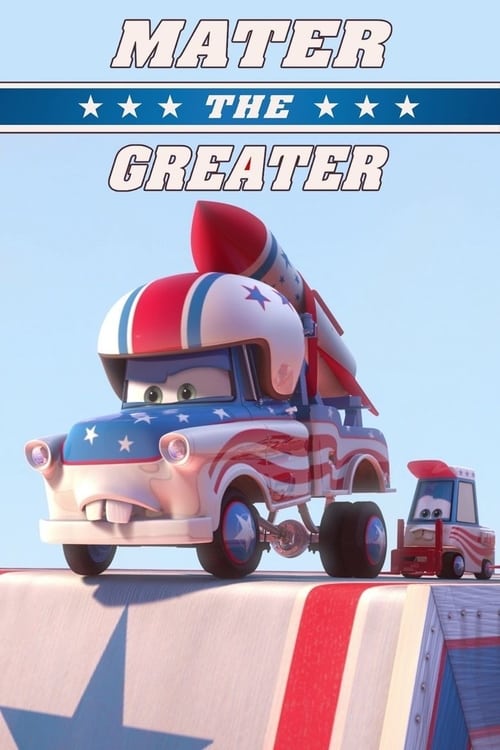
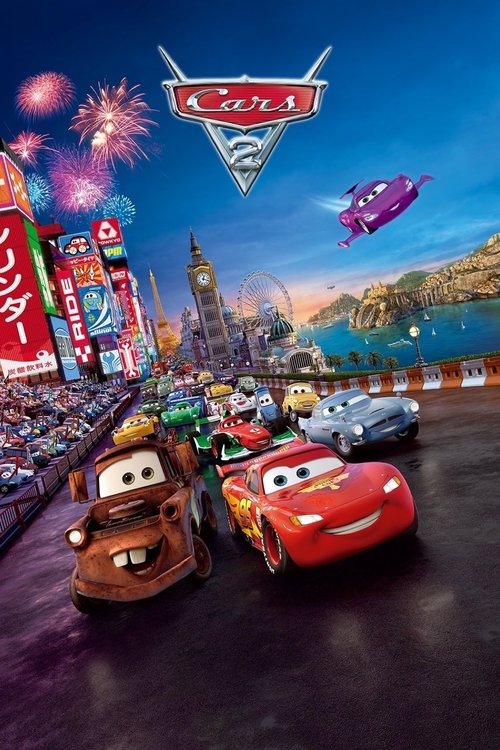
Yes. Cars launched a full franchise that includes sequels (Cars 2 in 2011, Cars 3 in 2017), spin-offs, merchandise, and even a Pixar shorts series. The original remains the most beloved entry, though each film has its defenders.
Final thoughts: why Cars still matters
Cars isn't a perfect film—some find its message about slowing down a bit heavy-handed, and the merchandising empire that followed can feel overwhelming. But watch it honestly, and it's hard not to feel something. It's a film about mortality, ambition, community, and the things we miss when we're too focused on winning. The animation holds up beautifully. The voice work is genuinely good. And the ending—without spoiling it—earns its emotional payoff. Whether you're watching with kids or rediscovering it as an adult, there's something here worth your time.