




The Story of Casanova and His Legendary Romantic Pursuits
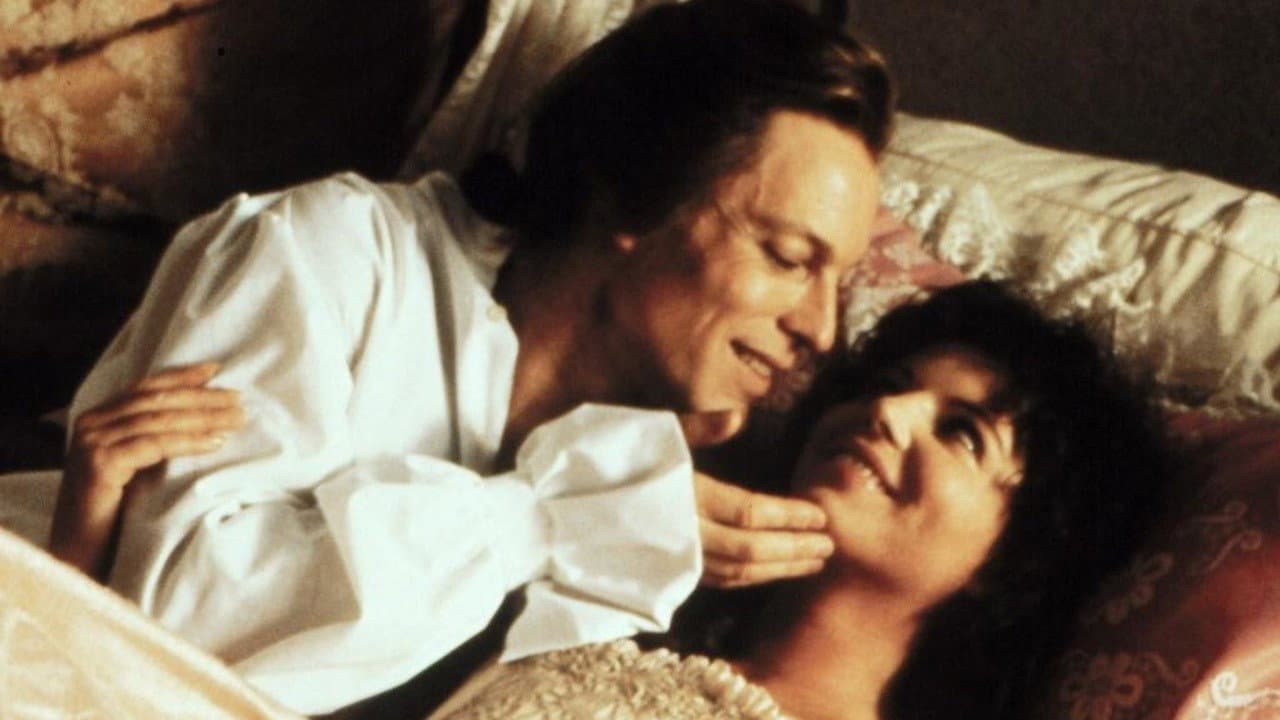
Casanova tells the life story of Giacomo Casanova, the 18th-century Italian adventurer whose name became synonymous with seduction itself. Rather than a straightforward biography, this 1987 television film takes a comedic approach to the historical figure, following his relentless quest to win the hearts—and other affections—of women across Europe. The narrative builds toward his eventual arrest, though here's the twist: he's not imprisoned for his romantic conquests themselves, but because he's become such a social problem that the husbands and families of his conquests band together to have him removed from society. It's a premise that lets the film balance humor with the genuine chaos one man's libido can create in a rigid, scandal-conscious world.
What drives the plot isn't morality or consequence in any traditional sense—it's the sheer social friction Casanova generates. Every seduction, every affair, every moment of charm deployed in a drawing room ripples outward, creating enemies among cuckolded husbands, protective fathers, and scandalized matrons. The film treats this less as tragedy and more as farce, letting audiences enjoy the spectacle of one man's appetites while also watching the inevitable reckoning build. By the time authorities move against him, you're watching not a moral judgment but a society finally saying enough is enough.
Behind the Making of Casanova and Its Distinguished Cast
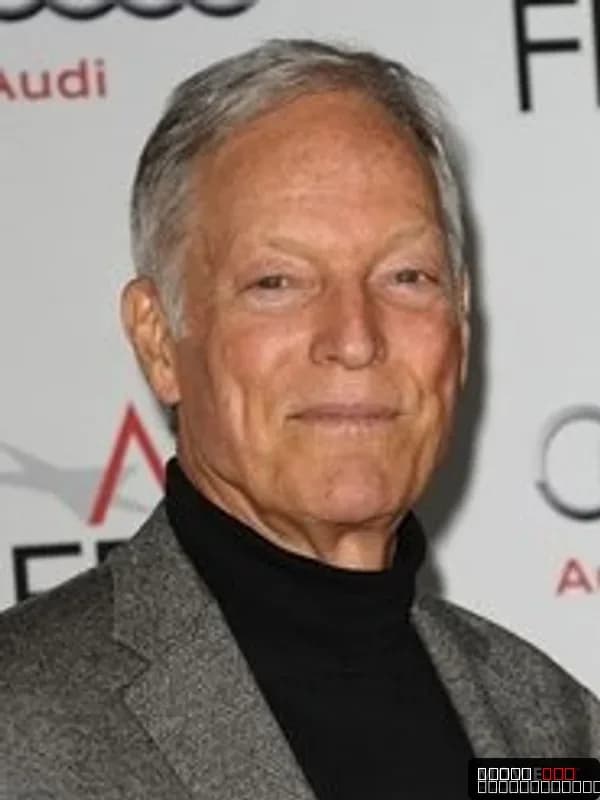
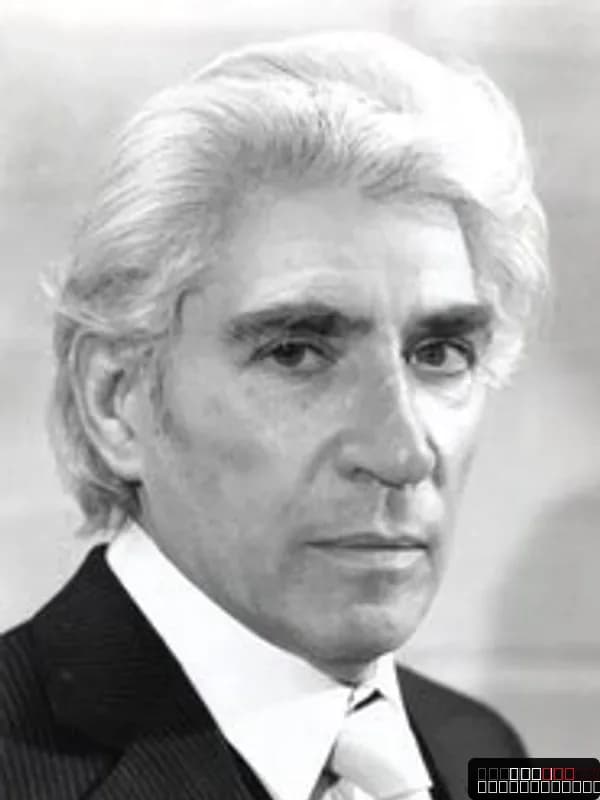
Casanova arrived on ABC on March 1, 1987, as a made-for-television film directed by Simon Langton, with a screenplay by George MacDonald Fraser—the acclaimed Scottish writer best known for his Flashman novels, which share Casanova's blend of historical adventure and irreverent humor. The production brought together an impressive ensemble cast: Richard Chamberlain, the veteran actor known for his work in The Thorn Birds and various prestige television roles, took the lead as the charming rogue himself. Opposite him stood Faye Dunaway, an Oscar winner and Hollywood fixture, alongside Sylvia Kristel (famous for the Emmanuelle films), Ornella Muti, and Hanna Schygulla—a cast list that suggested ambitions beyond a typical TV-movie affair.
The film was produced by Taurus Film, Reteitalia, The Konigsberg/Sanitsky Company, and HR, a multinational production arrangement that speaks to the European scope of the story and the international appeal of the material. Running 123 minutes, it's a substantial piece of television entertainment—not a quick two-act quickie but a proper narrative arc. The production values reflect its budget and pedigree; this wasn't a shoestring operation but a genuine attempt to bring the Casanova legend to the small screen with style and star power. That said, the film hasn't aged into critical favor; it currently holds a 4.125/10 rating on IMDb, suggesting that whatever the ambitions, audiences and critics found the execution lacking.
What Makes Casanova Worth Watching Despite Mixed Reviews
The thing about a 1987 TV-movie with this cast and this premise is that it's genuinely interesting as a period artifact—a snapshot of how mainstream television approached historical comedy and romance when budgets were bigger and the appetite for such projects was real. Richard Chamberlain brings an undeniable charm to the role; he's a natural fit for a character who needs to seduce not just women but viewers into sympathizing with a fundamentally selfish man. What's striking is how the film doesn't try to redeem Casanova or make him likable in any moral sense—instead, it asks you to enjoy watching him work, to appreciate the craft of seduction the way you'd appreciate watching a con artist operate in a heist film.
Faye Dunaway and the other female leads bring weight to what could've been thankless roles as conquest-objects; instead, they're allowed moments of agency and wit, particularly in scenes where they see through Casanova's routines or use their own intelligence to navigate their attraction to him. The screenplay by Fraser, known for his ability to blend historical detail with comedy, gives the film a literary quality that distinguishes it from typical TV fare. That said—and I'm not sure why the film doesn't quite land for most viewers—there's a tonal inconsistency that dogs it throughout. Is this a satire of masculine ego? A celebration of romantic conquest? A morality play about social consequences? The film seems uncertain, and that uncertainty shows. The pacing can drag, the humor doesn't always land, and the romance, which should be the emotional core, sometimes feels perfunctory.
What's worth noting is that the film does capture something real about the historical Casanova—not his actual life (which was far more complex and melancholic than this), but the myth of him, the fantasy that's been built up over centuries. In that sense, it's doing what popular entertainment does: taking a legend and reshaping it for contemporary audiences. Whether that reshaping succeeds is another question entirely.
Where to Stream Casanova Online
Casanova is currently available on major OTT services, and you can check the "Where to Watch" widget at the top of this page to see which platforms are carrying it in your region right now. Streaming availability shifts frequently—a title might move from one service to another as licensing agreements expire and renew—so Movie OTT keeps a real-time tracker of where films like this one are actually streaming. Rather than guessing which platform has it, that widget will show you exactly which services offer Casanova today, saving you the frustration of searching through menus only to find it's not there. If you're a completist interested in 1980s television films or Richard Chamberlain's career, it's worth checking availability; if you're just curious about the premise, you might want to read a few reviews first.
Frequently asked questions
Q: Is Casanova based on a true story?
Yes, the film is based on the real life of Giacomo Casanova, an 18th-century Italian adventurer and writer. However, this 1987 TV movie takes significant creative liberties with the historical facts, treating the story as a comedic romance rather than a strict biography.
Q: Who directed Casanova?
The film was directed by Simon Langton, with a screenplay by George MacDonald Fraser, the Scottish novelist famous for his Flashman series. Fraser's background in historical adventure fiction shaped the film's tone and approach.
Q: Who stars in the 1987 Casanova film?
Richard Chamberlain leads the cast as Casanova, with Faye Dunaway, Sylvia Kristel, Ornella Muti, and Hanna Schygulla in supporting roles. It's a surprisingly starry cast for a television movie of that era.
Q: How long is Casanova?
The film runs 123 minutes, making it a full-length feature-length television film rather than a standard TV-movie format. That's substantial runtime for a 1987 ABC broadcast.
Q: What's the plot of Casanova?
The film follows the legendary seducer as he pursues women across 18th-century Europe, eventually drawing the ire of husbands and families who band together to have him arrested—not for his romantic crimes per se, but because society simply can't tolerate his continued presence.
Final Thoughts on Casanova
Casanova isn't a film that's aged into cult status or critical reappraisal, and honestly, it's easy to see why. The premise is charming, the cast is strong, and Fraser's screenplay has moments of genuine wit—but the execution stumbles, and the tonal confusion keeps it from cohering into something memorable. That said, if you're interested in 1980s television history, the evolution of how TV adapted literary and historical figures, or just want to watch Faye Dunaway and Richard Chamberlain trade barbs in period costumes, there's enough here to justify an evening. It's the kind of film that works best when you approach it with modest expectations and an appreciation for the specific pleasures of prestige TV-movies from that era.