Cassowary
A three-generation family drama arrives in 2026 — here's what you need to know
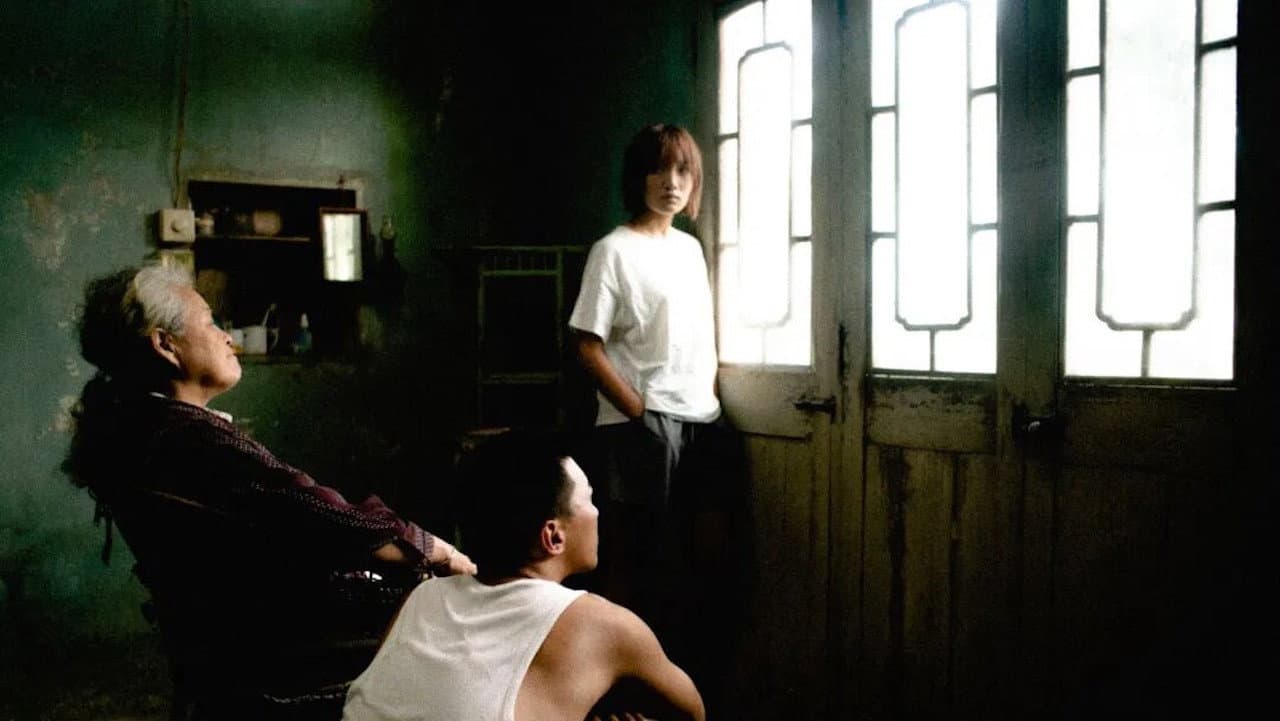
Cassowary is a 2026 Mandarin-language drama directed by Hanyi Zhang. It's 87 minutes long, and it doesn't waste a single one. The film follows Su Min, a woman who escaped her remote island home to work as a bird scarer at an airport on the mainland — a job that's mundane on the surface, quietly symbolic underneath. When a fire destroys the family house, she returns to find her grandmother still silent after all these years, her mother still drinking, and a younger brother who never quite became an adult. Then something stranger arrives: a fire-eating bird, mythological and unexplained, that begins pulling the family's buried secrets to the surface.
There's no major theatrical release or wide festival placement documented yet. Availability varies by region — check the where-to-watch widget below for current streaming info in your area.
The setup: Three generations, one house, decades of silence
What strikes me about this film's premise is how economical it is. You've got everything you need right there — a confined space, a multigenerational household, and silence as the primary language. The grandmother doesn't speak. The mother drinks to keep her thoughts at bay. Su Min left. The younger brother stayed and somehow never grew up. That's not melodrama waiting to happen. That's a pressure cooker that's been sealed for decades.
The fire that brings Su Min back isn't explained away quickly — it's the inciting incident, but it's not the story. The story is what happens after, when she's standing in the burned remains of a room and doesn't cry. The restraint in that moment carries more weight than any outburst could manage. I kept thinking about that scene long after the film ended, which is exactly what good drama should do — make you sit with something uncomfortable.
Director Hanyi Zhang works for Rare Pictures, a Shanghai-based production company focused on independent cinema outside the state-studio system. That context matters. Chinese independent filmmakers have been producing some of the most formally inventive work in East Asia over the past decade, and Cassowary looks like it belongs in that tradition. Zhang's choice to center the entire story on women — and to frame the one male figure as an emotional absence rather than a protagonist — tells you where the film's sympathies lie.
Why the cassowary matters (and it's not about the bird)
The central metaphor earns its weight without feeling forced. A cassowary is a real bird — a large, flightless ratite native to New Guinea and northeastern Australia. One of the most dangerous animals alive, actually. It can't fly. It can't escape its environment the way Su Min tried to escape hers. And yet it survives, fiercely, on its own terms. The fire-eating variation Zhang introduces isn't ornithology. It's myth-logic. The kind of image that belongs to fable rather than nature documentary.
What's the dramatic engine here? Repression — not the theatrical kind where characters scream across kitchen tables, but the quiet, suffocating kind where whole decades of feeling compress into a grandmother's silence or a mother's glass of something strong. That's harder to film than anger. It requires restraint from everyone involved: the director, the actors, the editor. A single glance held half a second too long breaks the whole thing.
The 87-minute runtime is one of Zhang's shrewdest choices. It doesn't overstay. The story trusts the audience to carry some of the weight, which is exactly what good drama should do. You won't get neat resolutions here. You'll get something closer to how families actually work — which is to say, messily and without closure.
If you've watched slow-burn international cinema from directors like Wang Bing or Bi Gan — films that ask you to sit with ambiguity — this one occupies similar territory, though Zhang's sensibility feels distinctly her own. Movie OTT has been flagging Cassowary as a title worth tracking for fans of contemplative Asian cinema, and the recommendation tracks.
Where to watch and current status
Cassowary is available on major streaming platforms, though availability shifts by region. The quickest way to find out where it's streaming near you is the where-to-watch widget at the top of this page — it pulls live data so you're not chasing dead links. Streaming rights for international independent films move without much warning, so real-time tracking actually matters here.
As of now, major review aggregators including Rotten Tomatoes, Metacritic, and Letterboxd don't have entries yet. No confirmed wide theatrical release or festival premiere has been documented in accessible sources. That could mean a quiet arthouse rollout, or it could simply mean the film hasn't reached Western press cycles yet — both are plausible for a Chinese independent drama. Hard to say which without more information.
Movie OTT will track reviews and ratings as they emerge, so if you're trying to figure out whether this is worth your 87 minutes, check back in a few weeks.
FAQ
Q: Is Cassowary family-friendly?
No. This is adult drama dealing with alcoholism, family trauma, and emotional repression. It's not violent or explicit, but it's not a film for children.
Q: Who stars in Cassowary?
Cast details aren't widely available in English-language sources yet. Movie OTT will update cast information as it becomes available.
Q: Is it based on a true story?
No — Cassowary is an original drama. The plot follows fictional characters across three generations, with the fire-eating bird functioning as a mythological device rather than a real reference.
Q: How long is Cassowary?
87 minutes. That's deliberate. Zhang wasn't interested in padding the story.
Q: What should I watch if I like this kind of film?
Look for contemplative Asian cinema with strong female leads and family dynamics at the center — Wang Bing's work, Bi Gan's films, or other independent productions that prioritize mood and silence over plot momentum. Check Movie OTT for similar titles in your region.
Should you watch it?
Cassowary isn't for everyone. If you want plot momentum and clear resolutions, look elsewhere. But if you're drawn to stories where silence carries more meaning than dialogue — where what's not said is the actual story — this one deserves your attention. It's the kind of quiet film that doesn't announce itself loudly, then stays with you for days afterward.
Check availability now using the where-to-watch widget above.