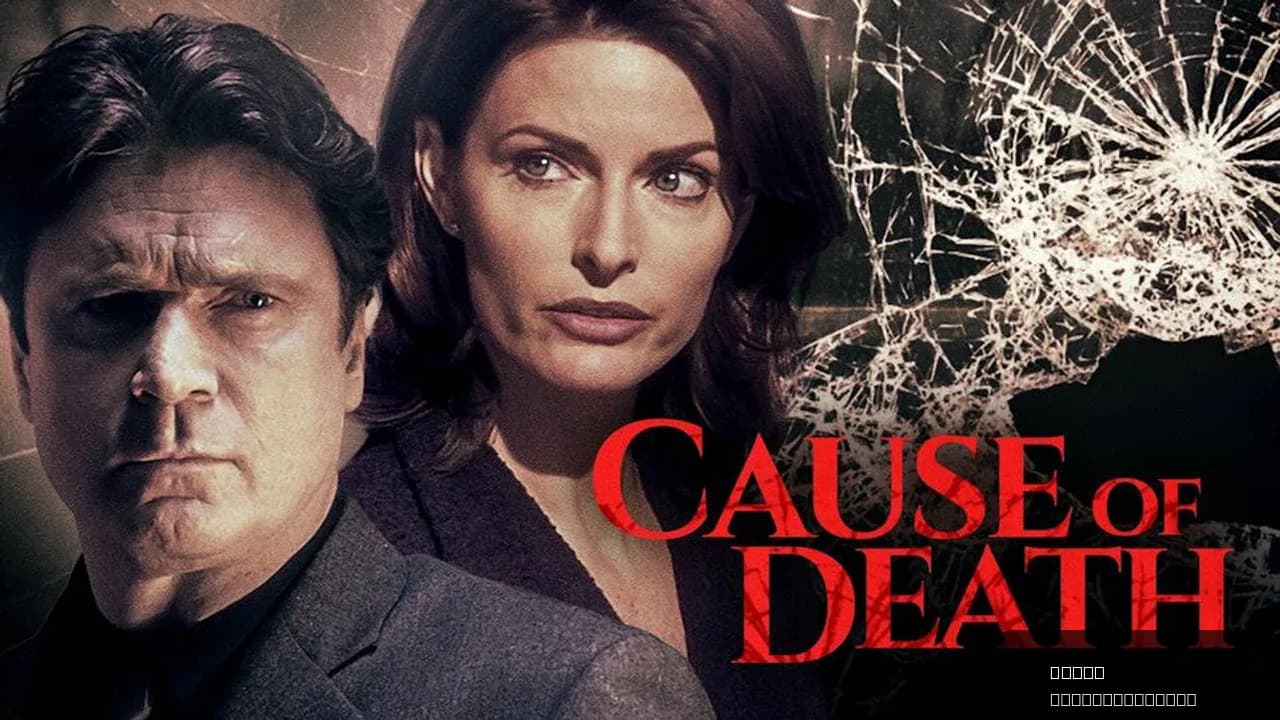

The story of Cause Of Death
Cause Of Death tells the story of a district attorney caught in an impossible situation. His prime suspect in a blockbuster murder case—the kind that dominates headlines and demands swift justice—becomes something far more complicated: an object of attraction. It's a premise that hinges on a fundamental conflict. The prosecutor must pursue the case with professional rigor, gather evidence, build a narrative that convinces a jury. Yet personal desire pulls in the opposite direction, threatening to compromise everything. What unfolds is a psychological cat-and-mouse game where the rules of law and the rules of the heart can't coexist.
The 94-minute runtime means the film doesn't waste time establishing stakes. From the opening frame, we're dropped into a world where ambition, suspicion, and forbidden attraction create an electric tension. The murder itself is the catalyst, but it's really the emotional entanglement that drives the narrative forward—the question of whether professional duty can survive personal temptation.
Behind the making of Cause Of Death
Director Marc S. Grenier helmed this 2001 crime mystery with a cast built around seasoned character actors. Patrick Bergin carries the lead as the conflicted district attorney, bringing the kind of weathered intensity the role demands. Maxim Roy plays opposite him, her presence at the center of the moral storm. The supporting ensemble—including Joan Severance, Michael Ironside, Vlasta Vrana, Edward Yankie, and Michael Rudder—rounds out a cast with real depth. Ironside in particular has spent decades playing morally complex figures in crime dramas and thrillers, so his involvement signals a film that takes its psychological elements seriously.
The film arrived in the early 2000s, a period when direct-to-video and made-for-cable crime thrillers were a staple of the home entertainment market. Production details suggest a modest budget—this wasn't a theatrical tentpole—but the ambition is evident in the script's willingness to explore moral ambiguity. Grenier's direction focuses the narrative tightly on the central conflict rather than sprawling into subplots. The runtime of 94 minutes reflects that discipline. Awards recognition for this title has been limited, and box office figures aren't part of the mainstream record, which is typical for genre films released through television and home video channels during this era.
What makes Cause Of Death stand out
What's striking about Cause Of Death is its refusal to let either the law or desire win cleanly. The film doesn't position the district attorney as a hero struggling against temptation, nor does it frame the suspect as a victim of the system. Instead, both characters exist in a gray zone—morally compromised, professionally threatened, personally vulnerable. That ambiguity is harder to pull off than it sounds. Most thrillers want you to root for someone. This one keeps you uncertain, which is precisely what makes it work.
Bergin's performance anchors the entire enterprise. He's an actor who understands how to play a man caught between competing loyalties—not through dramatic monologues but through small moments of hesitation, the way his eyes move when he's trying to rationalize something he knows is wrong. Roy, too, resists playing the suspect as a simple femme fatale. There's intelligence there, and vulnerability. The tension between them isn't just sexual; it's intellectual and moral. They're sparring partners in a game where the stakes keep rising, and neither can afford to lose—yet losing might be the only honest outcome.
The mystery itself matters less than the psychology. You're not watching to find out whodunit so much as to watch two intelligent people navigate a situation that shouldn't exist. That's a harder sell than a straightforward whodunit, and it's why Cause Of Death won't appeal to everyone. The IMDb rating of 4.4/10 suggests the film has found a divided audience—some viewers connect with its moral complexity, while others may find the pacing or the lack of clear resolution frustrating. If you're looking for a thriller that wraps everything up neatly, you might want to browse Movie OTT for something else. But if you're curious about a film willing to sit with discomfort, it's worth your time.
Where to stream Cause Of Death online
Cause Of Death is currently available on Prime Video, making it accessible to anyone with an Amazon subscription. The film works well as a streaming experience—it's the kind of crime thriller designed for focused viewing, not background noise. The Where to Watch widget at the top of this page will show you the most up-to-date availability across all platforms. Movie OTT tracks current streaming availability across multiple services, so if you're checking back months from now, that widget will reflect any changes in where the film lives. For now, Prime Video is your destination.
Frequently asked questions
Q: Who directed Cause Of Death?
Marc S. Grenier directed this 2001 crime thriller. He brings a tight, psychologically focused approach to the material, emphasizing character conflict over plot mechanics.
Q: Is Cause Of Death based on a true story?
There's no indication that Cause Of Death is based on real events. The film appears to be an original screenplay exploring a fictional scenario of professional and personal conflict.
Q: What's the runtime of Cause Of Death?
The film runs 94 minutes, a lean runtime that keeps the narrative focused on the central moral conflict without excess subplot or digression.
Q: Where can I watch Cause Of Death right now?
Cause Of Death is currently streaming on Prime Video. Check the Where to Watch widget on this page for the most current availability.
Q: Who stars in Cause Of Death?
The film features Patrick Bergin in the lead role as the district attorney, with Maxim Roy as his prime suspect. The cast also includes Joan Severance, Michael Ironside, Vlasta Vrana, Edward Yankie, and Michael Rudder in supporting roles.
Final thoughts on Cause Of Death
Cause Of Death won't be everyone's cup of tea—that 4.4 rating is honest about its divisive nature. But it's exactly the kind of film that rewards viewers willing to sit with moral ambiguity and psychological tension. It doesn't offer easy answers or comfortable resolutions. What it does offer is a scenario that lingers, a reminder that the law and the heart don't always align, and that sometimes the most dangerous threat to justice isn't external—it's internal. If you're in the mood for a crime thriller that trusts its audience to handle nuance, it's worth checking out on Prime Video.