What Cave of Forgotten Dreams Is About
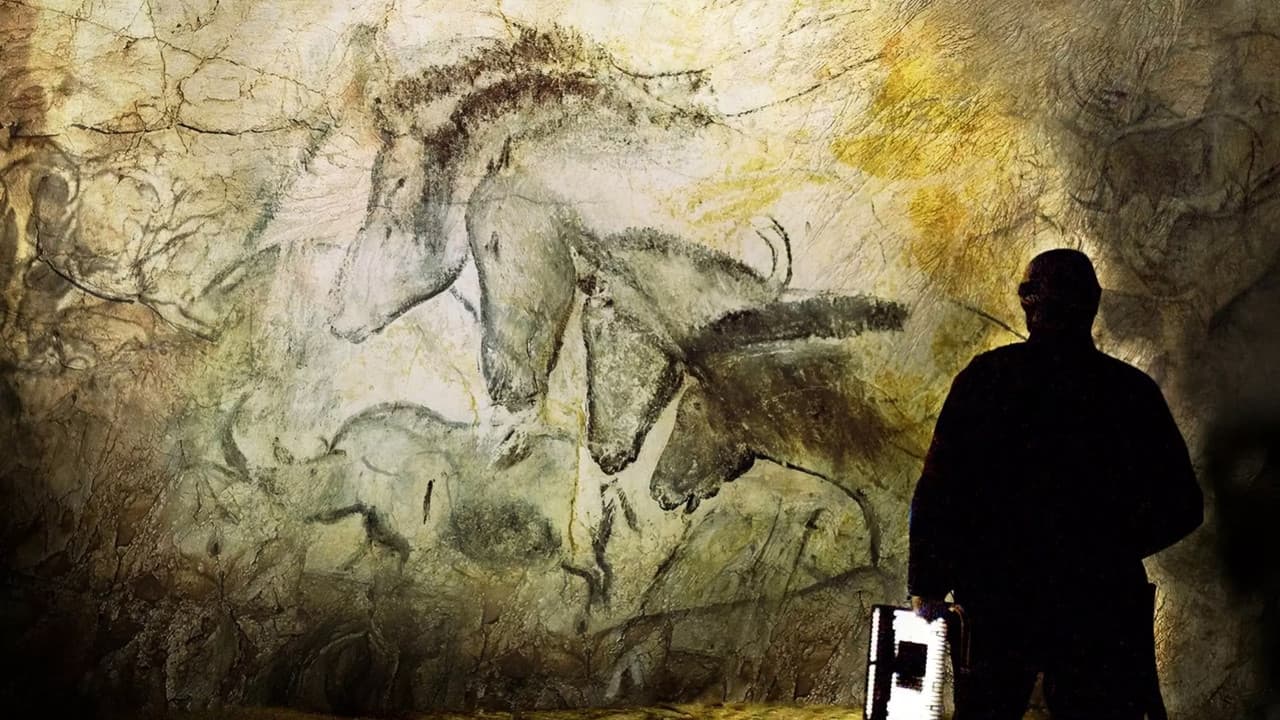
Werner Herzog's Cave of Forgotten Dreams opens with almost no preamble. No lengthy exposition, no talking-head introductions, no narrative scaffolding to ease you in. Instead, Herzog's distinctive voice—that deadpan, slightly unsettling German cadence—begins narrating over the credits as the camera descends into the Chauvet Cave of Southern France. What unfolds over the next 90 minutes is nothing short of extraordinary: exclusive footage of the oldest known pictorial creations made by human hands, some dating back roughly 32,000 years. These aren't crude scratches or accidental marks. They're deliberate hand stencils, ochre-painted animals, and geometric patterns that speak to an ancient mind grappling with representation, meaning, and perhaps spirituality itself. The cave becomes a time machine—or rather, a window into a moment when humans first decided to leave their mark on stone.
Behind the Making of Cave of Forgotten Dreams
Cave of Forgotten Dreams premiered at the Toronto International Film Festival on September 13, 2010, and represented a rare achievement: Herzog gaining exclusive access to film inside one of the world's most protected archaeological sites. The Chauvet Cave had only been discovered in 1994, and the French government strictly limited who could enter and under what conditions. Herzog—working with ARTE and Werner Herzog Filmproduktion—managed to secure permission, though not without creative differences that shaped the final product. The documentary was shot in 3D, a choice that seems gimmicky on paper but proves essential once you're watching. The three-dimensional space of the cave, the depth of the stone, the way light catches ancient pigment—none of it works the same in 2D. It's a technical choice that serves the material rather than exploiting it.
The film features interviews with paleontologists, archaeologists, and historians who've studied the site, though Herzog doesn't let them dominate the frame. Instead, they're woven in almost casually, their expertise surfacing naturally as they walk through the passages and offer observations. The production was lean and focused—90 minutes of runtime that never feels padded. It won't find you a blockbuster box-office haul or major award nominations in the traditional sense, but it did become a landmark documentary that changed how people think about prehistoric art and what cinema could do with access to the unrepeatable.
Why Cave of Forgotten Dreams Stands Out
What's striking about Herzog's approach is his refusal to impose a narrative arc where none exists. There's no "mystery to solve" or "truth to uncover." The paintings are there. They're old. They're beautiful. That's the entire premise, and somehow it's enough—more than enough. The film doesn't try to explain why these humans painted, or what the images meant to them, or whether they had spiritual significance. Instead, Herzog lets the ambiguity breathe. He lingers on a chamber where a child's handprint sits beside adult prints, and you feel the weight of that moment without anyone telling you what to feel.
The 3D cinematography—rare for documentaries even today—transforms the experience into something almost meditative. You're not watching a flat screen; you're moving through space, feeling the texture of the cave walls, the claustrophobia and wonder of being underground in near-total darkness. One sequence involves following a cave bear's skull into a crevice, and the three-dimensional perspective makes it genuinely disorienting in the best way. It's not spectacle for its own sake. It's a tool that respects the subject matter.
Audience reception has been consistently warm, with viewers praising the film's restraint and Herzog's willingness to let silence and image do the talking rather than bombarding you with expert commentary. I keep coming back to how the film treats its scientists—not as authorities lecturing down to us, but as fellow travelers, equally humbled by what they're looking at. That's a rare grace in documentary filmmaking, and it's what makes this feel less like an educational broadcast and more like a genuine encounter with the incomprehensibly distant past.
Where to Stream Cave of Forgotten Dreams Online
Cave of Forgotten Dreams is available on major OTT services, with availability varying by region and subscription tier. You can check the "Where to Watch" widget at the top of this page to see which platforms currently have it in your area. Since documentary availability shifts seasonally, Movie OTT tracks real-time streaming data across all major platforms, so you'll always know where to find it without hunting through multiple apps. The 3D version, if you have access to a 3D-capable display, is worth seeking out—it's the version Herzog intended, and the format genuinely enhances the experience rather than diminishing it.
Frequently Asked Questions
Q: Who directed Cave of Forgotten Dreams?
Werner Herzog directed the film. His distinctive narrative voice and philosophical approach to filmmaking are evident throughout—he's less interested in answering questions about the paintings than in sitting with the mystery of them.
Q: Is Cave of Forgotten Dreams available in 3D?
Yes. The film was shot in 3D and premiered in that format. If your streaming service or home setup supports it, that's the version worth watching, though the standard 2D version is also compelling.
Q: How old are the paintings in the Chauvet Cave?
Some of the hand stencils and animal paintings in the cave date back approximately 32,000 years, making them among the oldest known human artwork in existence.
Q: What is the runtime of Cave of Forgotten Dreams?
The documentary runs 90 minutes, a lean and focused runtime that never feels like it's padding or overstaying its welcome.
Q: Is Cave of Forgotten Dreams based on a true story?
It's a documentary, so it's not "based on" anything—it is the story. Herzog films actual footage from inside the Chauvet Cave and interviews real scientists and archaeologists studying the site.
Final Thoughts on Cave of Forgotten Dreams
If you're looking for a documentary that respects your intelligence and doesn't feel the need to explain everything, Cave of Forgotten Dreams is essential viewing. It's a film about the oldest human art ever discovered, shot by one of cinema's most uncompromising directors, in a format that shouldn't work but absolutely does. Don't expect answers. Expect questions you didn't know you had about what it means to be human, what drives us to create, and what we leave behind. It's quiet, it's strange, it's beautiful—and it's 90 minutes you won't regret spending in the dark with a 32,000-year-old mystery.