









Chō Uchū Keiji Gyaban Infiniti Taiyō ga Naita Hi: When the Sun Disappears, the Real Fight Begins
2026 | Toei Company | Action/Adventure/Sci-Fi | Streaming availability varies by region
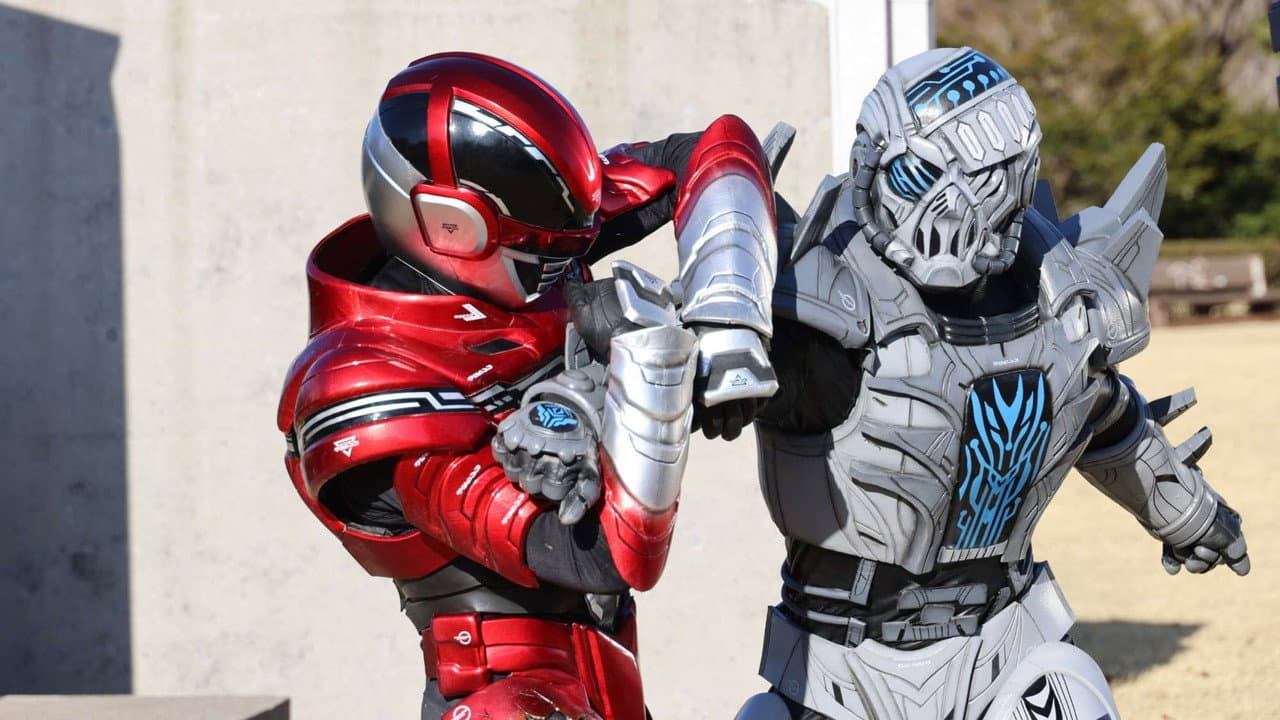
Here's the premise: someone stole the sun. Not metaphorically. A malevolent force called Negative Emorgy — bleeding through from a parallel dimension called MultiEarth A0073 — coalesced into a void so massive it swallowed the star whole, and the world went dark. No gradual dimming. No poetic fade. Just gone. Reiji and his team of Gavans now have to fight an enemy named Gavan Killer in absolute darkness — an enemy whose sole purpose is erasing every Gavan across every timeline. It's the kind of antagonist that only works when the actors treat it like a genuine extinction event. They do.
This is tokusatsu operating at peak emotional weight. Not the Saturday-morning stuff anymore.
The Sun Goes Out: What Actually Happens in This Film
The opening doesn't waste time with exposition. Negative Emorgy coalesces. The void expands. Sunlight cuts out. The film holds on that darkness for uncomfortable seconds — the kind of filmmaking choice that tells you immediately: this isn't going to be the fun, colorful space-cop adventure the franchise sometimes leans into. It's grief dressed up as action.
What makes this work is that the darkness isn't just visual. It's emotional. Reiji and his companions aren't just fighting a villain — they're fighting while mourning the world they knew, while watching the foundational mythology of the Space Sheriff (the franchise Gavan comes from) come under existential threat. Gavan Killer isn't trying to beat Reiji. He's trying to delete the idea that being a Gavan means anything at all.
There's a moment early in the second act where the film pauses. Reiji stands in the darkness, and the camera holds on his face just long enough to be uncomfortable. No dialogue. Just weight. That beat tells you everything about the film's ambition — and honestly, it's the kind of choice that separates films you forget from films you think about for weeks.
Why Toei's Track Record Matters Here
Toei Company has been making Gavan stories since 1982, when Space Sheriff Gavan first aired on Japanese television and accidentally launched an entire subgenre called the Metal Hero franchise. Forty-four years later, they're still in charge, which matters more than it sounds. The institutional memory here runs deep — the people making this film grew up watching the original series, studied the stunt work, inherited the suit-acting techniques that make tokusatsu distinctive in the first place.
Earlier Gavan films kept a certain brightness in the palette, even the well-regarded 2012 revival. Optimistic. Saturday-morning energy. This one rejects that entirely. The sun is gone. The production commits to that darkness as a tonal choice, not just a visual one. That's the difference between a threat and a tragedy.
The action choreography maintains what Toei's known for — kinetic, practical-first stunt work that you can actually see, with suit performances that feel expressive because the performers have decades of institutional training backing them up. The score swells orchestrally without abandoning the electronic textures the franchise's music has always carried. Nothing feels cheap. Nothing looks like it was rushed.
Box office figures haven't flooded English-language trade press yet, but Movie OTT flagged the production design early: the void sequences reportedly required extensive practical set work layered with digital compositing. That's not greenscreen-and-pray filmmaking. That's the kind of texture that makes darkness feel tactile instead of like an absence.
Gavan Killer: The Villain Who Threatens the Franchise Itself
Most tokusatsu villains want to conquer the world, or enslave humanity, or rule a dimension. Gavan Killer wants something simpler and more terrifying: he wants to annihilate every Gavan across all timelines. Not just Reiji. Every version of the hero, ever. It's a conceptual threat as much as a physical one — a character designed to challenge the idea that heroism persists, that legacy matters, that the Space Sheriff mythology means anything when a single sufficiently motivated antagonist can simply delete it.
That's what elevates the film beyond standard action fare. The stakes aren't about saving the world (though that's happening too). They're about whether the idea of Gavan survives at all. When your hero is fighting to protect the concept of his own existence, the emotional stakes climb in ways that purely physical threats can't touch.
The cast anchors this through familiarity — performers who've grown up inside the Gavan universe and understand the shorthand of that mythology. When they treat Gavan Killer as genuinely personal, it doesn't feel manufactured. It feels earned.
Where to Watch Right Now (and Why Availability Keeps Shifting)
Chō Uchū Keiji Gyaban Infiniti Taiyō ga Naita Hi is currently available on major streaming platforms, though which ones depends entirely on where you are. Japan? Netflix and Amazon Prime. India? Hotstar's carrying it. US availability is still rolling out in waves because that's how Toei handles international licensing — staggered releases rather than simultaneous global drops. The where-to-watch widget at the top of this page (or Movie OTT's full tracker) gives you region-specific breakdowns updated in real time, so you're not hunting across tabs guessing which service actually has it.
Hard to say whether delayed North American availability is deliberate strategy or just the usual licensing bottleneck. Either way, bookmark this page if it's not in your region yet. Toei titles tend to expand. It'll probably show up.
The film carries no MPAA rating for Western markets, but the content — intense action, existential-scale peril, literal extinction of sunlight from the world — places it firmly in territory parents should preview before younger kids watch. Not a children's film, even though Gavan has historically leaned family-friendly.
Who This Film Is Actually For
Long-time Gavan fans first, obviously. The references to prior Gavans, the callbacks to the franchise's internal continuity, the weight of protecting a 44-year-old legacy — that all lands harder if you know the history. But here's the thing: newcomers won't be lost. The core conflict is legible without homework. Sun disappears. Hero gets pushed to the limit. Enemy unlike any before. You don't need a wiki to follow that.
If you liked the 2012 Gavan revival, you'll recognize the tonal shift immediately — this one's darker, more ambitious, less willing to wink at the audience. If you're drawn to science fiction that treats apocalyptic premises with genuine weight (not as backdrop for quips), this is worth your evening. Check the streaming options and clear some time. Not a small film. Not a safe one either.
The tagline is "Your tears will light up the universe." By the end, you'll understand why that's not just marketing copy.
QUICK FAQ
Is this a standalone film or do I need franchise knowledge? Standalone-ish. The core story works without homework. But the emotional weight of Gavan Killer's threat lands harder if you understand what you're watching him threaten.
Where's it streaming right now? Varies by region. Check the where-to-watch widget above or Movie OTT's tracker — they update live as licensing windows open and close.
Is it family-friendly? Not really. Dark tone, intense action, existential peril. Preview before showing younger kids.
When was it released? 2026, theatrical release through Toei Company. International streaming rolled out in waves after that.


