

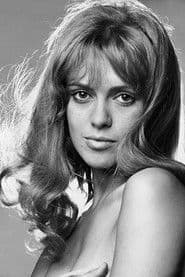
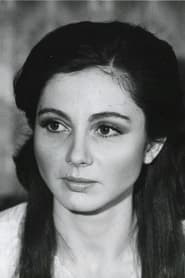

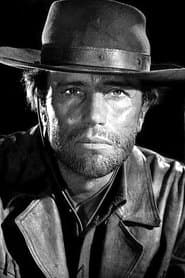
What Charlotte Is About
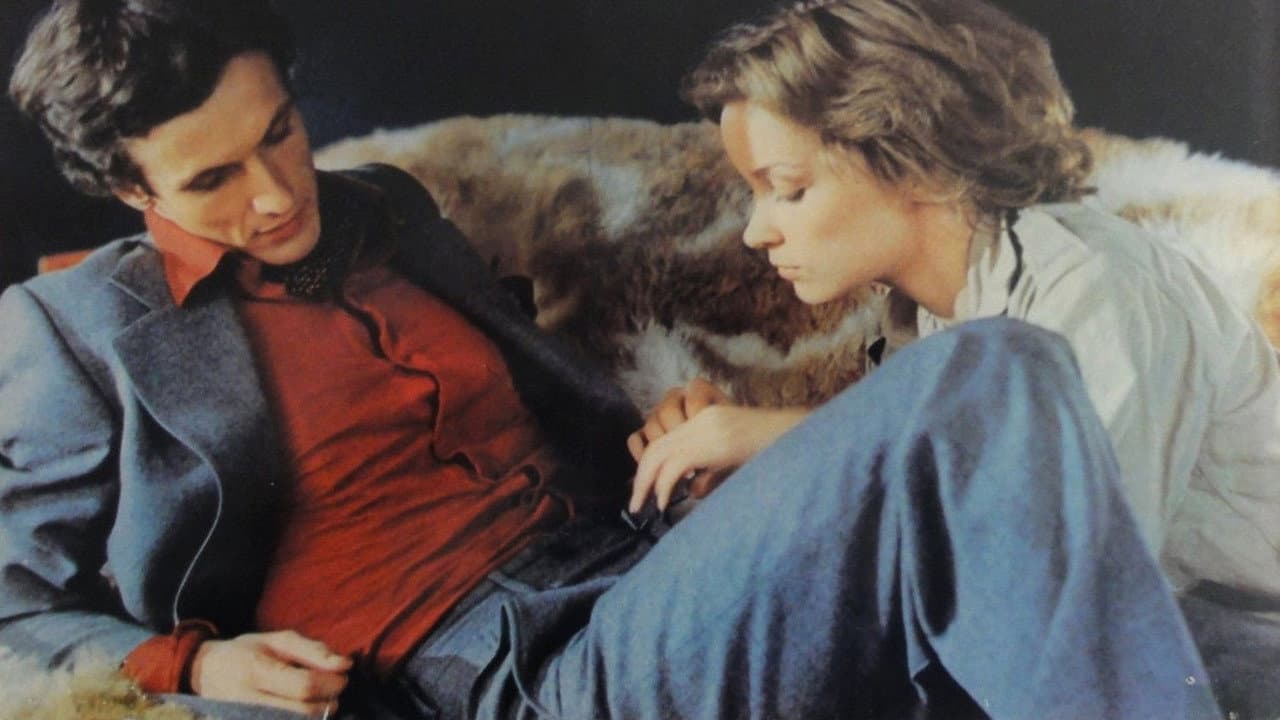
Charlotte opens with the discovery of a murdered young woman—a body, a crime scene, the machinery of investigation grinding to life. But this isn't a conventional whodunit. Instead of pushing forward toward answers, the film rewinds, taking us deeper into the victim's world and the philosophy that shaped it. Gradually, we come to understand that this death isn't random or senseless; it's the inevitable endpoint of a life lived without boundaries, where neither sex nor death are treated as sacred or forbidden. The film's central tension isn't mystery but causality—how does a person arrive at this moment, and what choices, what worldviews, made it inevitable?
Behind the Making of Charlotte
Charlotte emerged from the European art-film circuit of the 1970s, a period when French and Italian cinema were pushing boundaries in ways Hollywood wouldn't dare. The film was produced by Copra Films, Gerico Sound, and Paradox Production—a trio of European independent companies willing to finance provocative material. Released in 1974, it arrived during a moment when transgressive cinema was finding its audience among critics and festival programmers, though rarely among mainstream viewers. The 100-minute runtime gives the film space to breathe and circle back on itself, a structural choice that mirrors its narrative strategy of constant revision and recontextualization. While it didn't achieve significant box-office success—European art films rarely did in that era—it carved out a reputation among cinephiles as a serious, unflinching examination of desire and consequence. The cast and crew remain less celebrated in English-language film history than their work deserves, partly because the film's distribution was limited and partly because its themes didn't align with the commercial appetites of major studios.
Why Charlotte's Exploration of Transgression Still Matters
What's striking about Charlotte is how it refuses to judge its characters even as it depicts the logical conclusion of their choices. There's no moralizing narrator, no final twist that punishes excess retroactively. Instead, the film treats transgression as a genuine philosophy—one that its protagonist actually believes in—and then shows what happens when that philosophy meets reality. The performances anchor this risky material; the actors don't play victims or villains but rather people genuinely committed to living without limits, which makes their fate all the more tragic. The cinematography and editing work in service of the backward-unfolding structure, with each revelation recontextualizing what we thought we knew about the victim and her world. I keep coming back to the film's tagline—"Every act of love can be repeated... except one"—because it captures something that most crime dramas miss: the recognition that some choices are genuinely irreversible, that transgression has a final boundary after all. It's not that the film preaches this lesson; rather, it shows it through structure and character, allowing viewers to arrive at the conclusion themselves. The IMDb rating of 4/10 reflects how divisive the material remains—audiences either engage seriously with its philosophical stakes or reject it as exploitative, and there's perhaps no middle ground.
Where to Stream Charlotte Online
Charlotte is currently available on major OTT services, and Movie OTT tracks its exact platform availability so you don't have to hunt across five different apps. The "Where to Watch" widget at the top of this page shows you every streaming home where Charlotte is currently active, updated in real time. Since European art films can migrate between platforms more frequently than mainstream releases, checking that widget before you settle in is worth a minute of your time. If you're a subscriber to any of the major streaming services, there's a solid chance Charlotte is already waiting in your library—it's one of those films that occasionally surfaces on curated "challenging cinema" shelves.
Frequently asked questions
Q: What year was Charlotte released?
Charlotte premiered in 1974 as a French-Italian co-production. It emerged from the European art-film scene at a moment when directors were increasingly willing to explore transgressive themes and non-linear storytelling.
Q: Is Charlotte based on a true story?
There's no evidence that Charlotte is based on a specific real crime. Instead, it's a philosophical exploration of how a certain worldview—one that treats sex and death as equally permissible—might lead to tragedy. The film uses the murder investigation as a framework for examining ideology rather than recounting actual events.
Q: How long is Charlotte?
The film runs 100 minutes, which gives its backward-unfolding narrative room to explore the victim's world and relationships without feeling rushed or padded.
Q: Why does Charlotte tell its story backward?
By starting with the murder and then rewinding, the film forces viewers to constantly reinterpret what they're seeing. A scene that seemed like an intimate moment becomes something darker once you understand its context. This structure mirrors the investigation itself—we're always learning new information that changes how we understand the past.
Q: Where can I watch Charlotte right now?
Check the "Where to Watch" widget at the top of this page for current availability across all major OTT platforms. Movie OTT keeps this information live so you'll always know exactly which service has it.
Final Thoughts on Charlotte
Charlotte isn't an easy watch, and it doesn't want to be. It's a film that respects your intelligence enough to withhold easy answers and comfortable conclusions. The backward structure, the philosophical weight of its premise, the refusal to moralize—these aren't flaws but features, choices made by filmmakers committed to exploring their material seriously. If you're drawn to cinema that challenges rather than comforts, that asks difficult questions about desire and consequence, Charlotte is worth seeking out. It won't leave you satisfied, exactly. But it will leave you thinking.