









The Story of Checking Out
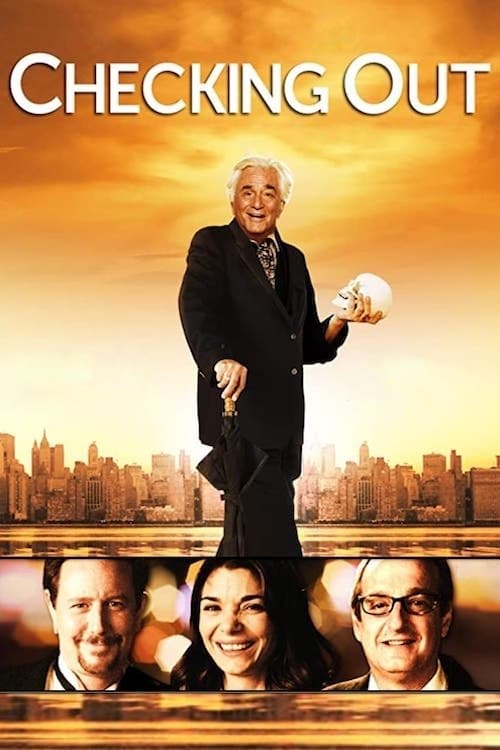
Checking Out follows a fiercely independent octogenarian who's made a decision about his own mortality and isn't shy about sharing it. With his ninetieth birthday approaching, he extends an invitation to his three grown children—but there's a catch, and it's not a small one. He's explicitly told them that once the festivities conclude, he intends to end his life. The premise sounds grim, and in some moments it is, but the film frames this dark setup as a comedy-drama that wrestles with autonomy, family obligation, and the complicated ways we love each other when time's running out. What unfolds isn't a suicide note in movie form; it's a family gathering that forces everyone—kids and parent alike—to confront what they actually mean to each other, what they owe, and what they're willing to accept.
Behind the Making of Checking Out
Produced by Full Circle Studios and Fully Attired Film Group LLC, Checking Out arrived in 2006 as a modest independent production that didn't generate significant box-office noise but found its audience through home video and cable rotation. The film runs 94 minutes, a tight runtime that keeps the emotional stakes from becoming exhausting. The cast brought seasoned character work to the material—the kind of ensemble where every actor seems genuinely invested in the family dynamics rather than just collecting a paycheck. While the film didn't rack up major awards or secure theatrical distribution on a wide scale, it carved out a niche reputation among viewers who appreciate dark comedies that don't flinch from uncomfortable truths. The IMDb rating of 6.675/10 reflects a film that's genuinely divisive—some viewers find it a refreshing take on mortality and family, while others find the premise too bleak for comfort. There's no Metascore to point to, but the film's modest cult status suggests it's the kind of picture that rewards patient, thoughtful viewing rather than broad appeal.
What Makes Checking Out Stand Out
What's striking about Checking Out is how it refuses to pick a lane. It's not a tragedy dressed up with jokes, and it's not a comedy that occasionally gets serious—it's genuinely both, sometimes in the same scene. The performances ground the material in recognizable family pain: the resentments that accumulate over decades, the guilt adult children carry, the stubbornness of a parent who's made up his mind. I keep coming back to how the film doesn't let anyone off easy. The father isn't a saint making a noble choice; he's complicated and difficult and maybe a little selfish, even in his final act. His kids aren't heroes rushing to save him or villains abandoning him—they're just people trying to figure out what love means when someone you've known your whole life tells you they're ready to go.
There's a real tension between the film's comedic moments and its sobering core. The humor lands because it emerges from character and situation, not from jokes grafted onto a serious premise. When family members bicker about logistics, or when someone says something accidentally cruel, or when the absurdity of the situation breaks through—that's where the comedy lives. It's the kind of film that makes you laugh and feel guilty about laughing, which is exactly where the best dark comedies operate. The thing nobody mentions is how much restraint the filmmakers show. They could've gone much darker or much lighter, but instead they hold the line, trusting the audience to sit with discomfort.
Where to Stream Checking Out Online
Finding Checking Out has gotten easier in recent years as streaming platforms have expanded their indie and cult-comedy catalogs. The film is currently available on major OTT services, and you can check the "Where to Watch" widget at the top of this page to see which platforms are carrying it in your region right now. Availability shifts regularly—a title might rotate off one service and land on another—so Movie OTT tracks current streaming availability across platforms to save you the hassle of hunting. Since this is a 2006 independent film, it's not always on the biggest mainstream services, but if you're willing to browse your library or check secondary platforms, you'll likely find it. The 94-minute runtime makes it perfect for a single sitting, which is how the film works best—all at once, without interruption.
Frequently Asked Questions
Q: Is Checking Out based on a true story?
No, Checking Out is a fictional screenplay. While the premise touches on real ethical questions around end-of-life autonomy, the film itself is an original work of dramedy rather than an adaptation or biography.
Q: Who directed Checking Out?
The film was directed by Joe Masterjohn, who brought a balanced hand to the dark comedy material, allowing both the humor and the emotional weight to coexist without one overwhelming the other.
Q: What's the runtime of Checking Out?
Checking Out runs 94 minutes, a lean length that keeps the family gathering focused and the emotional stakes sharp throughout.
Q: Is Checking Out appropriate for all ages?
Given the film's themes around suicide and mortality, it's geared toward adult viewers who can engage with darker subject matter. The comedy is adult-oriented, and the central premise requires emotional maturity to process.
Q: Where can I watch Checking Out right now?
Check the "Where to Watch" widget at the top of this page for current availability on your preferred streaming platform. Streaming catalogs change regularly, so that widget will show you the most up-to-date options.
Final Thoughts on Checking Out
Checking Out isn't a film for everyone—its premise and tone will turn some viewers away entirely, and that's fair. But if you're drawn to character-driven stories that don't look away from hard truths, and if you appreciate dark comedy that earns its laughs, it's worth seeking out. The film respects both its subject matter and its audience, refusing easy answers or sentimental resolutions. It's a movie about family that understands families are messy, contradictory, and worth fighting for—even when (or especially when) someone's decided they're ready to leave. That's a rare thing in cinema.