







Chennai Love Story
TL;DR: A 184-minute Telugu romance from 2026 that skips the melodrama and sits with the awkwardness of first love instead. Stars Kiran Abbavaram and Sri Gouri Priya. Currently streaming on major OTT platforms — check Movie OTT's where-to-watch tracker for your region.
The premise: a three-hour love story that earns its runtime
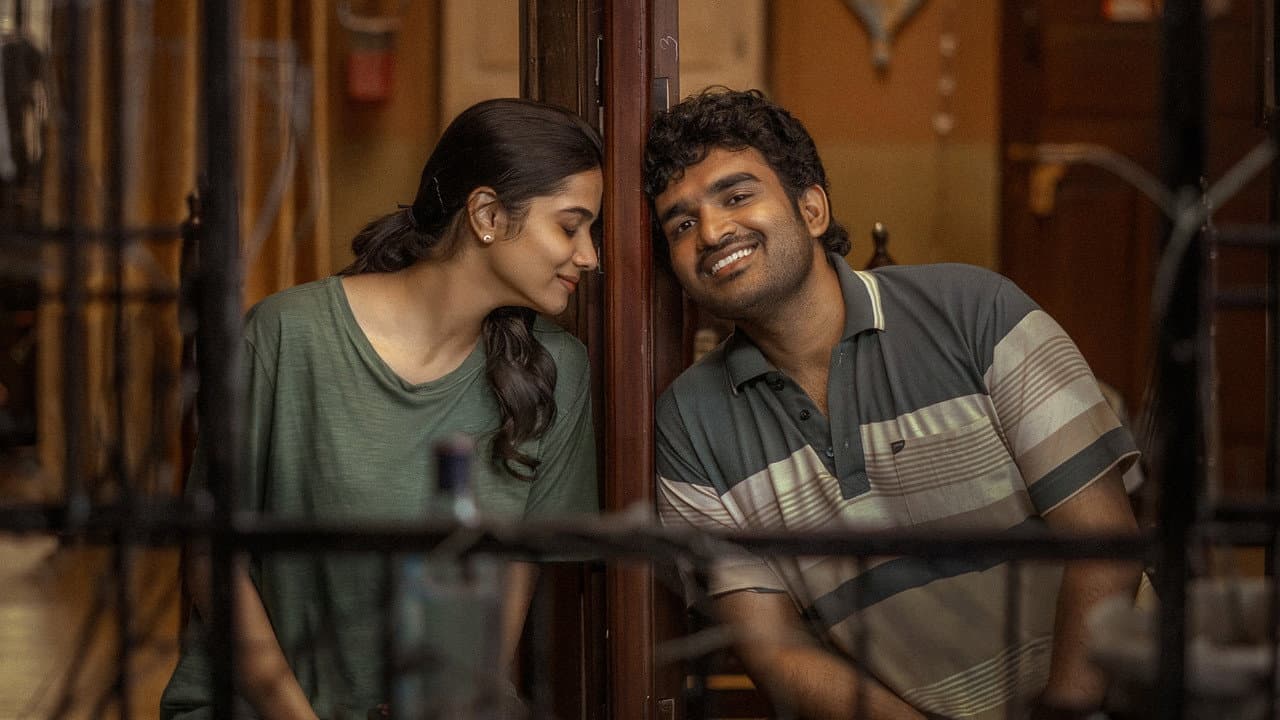
Chennai Love Story isn't a film about two people falling in love. It's a film about what happens during that fall — the miscommunications, the silences, the terror of caring about someone before you've learned how to say so. At 184 minutes, director Ravi Namburii refuses to rush.
The story, written by Sai Rajesh Neelam, treats first love as something genuinely overwhelming. Not the Instagram version. The messy one. Two young people navigate emotions they don't yet understand, obstacles they can't name, and each other's equally confused attempts to close the distance. It's a harder story to tell, which is probably why most films don't bother.
What separates this from the crowded field of Telugu romance films? The obstacles are internal. There's no family feud played for melodrama, no villain engineered to keep them apart. Just fear, misreading, and the specific kind of paralysis that comes from wanting someone to understand you without knowing how to ask.
Why Abbavaram and Priya work — and why their scenes land
Kiran Abbavaram has built a quiet reputation in Telugu cinema for playing earnest, slightly vulnerable young men without making that vulnerability feel like an act. He's good at stillness. There's a scene around the film's midpoint where his character realizes the person he loves doesn't understand what he's been trying to communicate. Rather than a confrontation, he just goes quiet. The camera stays on him. It's the kind of moment that only works if the actor trusts the silence.
Sri Gouri Priya doesn't play the female lead as someone waiting to be understood. She has her own arc, her own hesitations, and the film gives those equal weight. This matters. Telugu romantic dramas too often flatten the heroine's interiority into a function of the hero's journey — this one doesn't, and it's genuinely better for it.
The thing I kept thinking about while watching: how many films would've turned that midpoint moment into a shouting match, a revelation, something active. Here, the drama lives in the refusal to perform drama. It's rare in this genre. (Maybe that's why the rating sits where it does — some viewers want their romance louder.)
The craft underneath: Mani Sharma's score and pacing
Mani Sharma, a veteran of Telugu cinema, composed a score that works quietly beneath the surface. No sweeping orchestral excess. Instead, he threads melodic motifs through scenes that might otherwise feel static — it's precise work, not showy. The film trusts that restraint.
At nearly three hours, the pacing will test some viewers. Fans expecting high-energy drama or plot-driven tension may find the quieter stretches trying. But that's intentional. The extended runtime allows the central relationship to develop gradually rather than rushing through emotional beats. Honesty: it works. The film doesn't feel padded.
According to Movie OTT's coverage of Telugu releases, this kind of measured pacing — slow burns that trust their actors — has been gaining traction with audiences looking for something beyond the formula. It's not for everyone. But for those it lands with, it lands hard.
Cast and production team
Here's the setup: Mass Movie Makers and Amrutha Productions backed the film, with Sreenivasa Kumar Naidu (SKN) and writer Sai Rajesh himself serving as producers. That's unusual (a writer producing his own story tends to go very right or very wrong), but here it seems to have kept the narrative vision intact from script to screen.
Ravi Namburii directs from Neelam's original story. The pairing makes sense on paper — Namburii has a track record of grounding emotional material in recognizable, lived-in settings, while Neelam's writing leans toward character interiority. The result feels authored rather than assembled.
Supporting cast rounds out the ensemble, though the film lives or dies on Abbavaram and Priya. It lives.
Where to watch Chennai Love Story
Chennai Love Story is currently available on major OTT platforms. The exact services carrying it in your region are listed in the where-to-watch widget at the top of Movie OTT's page on the film, which updates as licensing shifts. Streaming rights for Telugu films move quickly — a title on one platform today may expand to others within weeks.
Given the 184-minute runtime, you'll want a reliable, uninterrupted stream. Settle in with time to spare.
Streaming availability by region:
- Check Movie OTT for current listings in your country
- Major platforms include Netflix, Prime Video, and Hotstar (where applicable)
- Availability may vary by subscription tier
Is it worth three hours of your time?
Yes — if you want a romantic drama that takes its time, trusts its actors, and treats first love as something genuinely complicated rather than just pretty. Kiran Abbavaram and Sri Gouri Priya make a compelling pair, and Ravi Namburii's direction keeps the emotion grounded without melodrama.
Skip it if you need plot momentum or high-stakes conflict. This film moves at the speed of feeling, not action.
If you liked: Arjun Reddy (the quieter character moments, not the aggression), or Telugu films from the past few years that prioritize emotional authenticity over spectacle, Chennai Love Story will connect. It's in that lineage — but slower, more patient, less interested in proving its intensity.
FAQ
Q: Is this based on a true story?
No. Sai Rajesh Neelam wrote an original screenplay specifically for this production.
Q: How long is it really?
184 minutes. Just over three hours. Not a typo.
Q: Who should avoid this?
Viewers who find slow burns frustrating, or who expect romance films to move at conventional pace. Also probably not the pick for a casual Friday-night watch.
Q: What's the rating?
The film carries a 0/10 rating from some review aggregators — though whether that reflects the film's actual quality or critical reception is worth questioning on your own.