







The Story of Child 44
Child 44 isn't your typical serial-killer procedural. Set in the paranoid machinery of post-World War II Moscow, the film follows a decorated MGB agent whose career implodes when he questions the official narrative about a series of child murders plaguing the Soviet state. The premise itself is audacious: in Stalin's USSR, a system built on denial and propaganda, admitting that serial murder exists is a threat to the party's image of socialist perfection. So the murders don't exist—officially. Our protagonist must navigate the gap between what's happening on the ground and what the state permits him to see, all while his own position grows more precarious with each investigation.
The title's tagline—"How do you find a killer who doesn't exist?"—captures the film's central tension. It's not just about catching a murderer. It's about the collision between institutional evil and personal conscience, between a system that demands obedience and a man who can't unsee the truth in front of him.
Behind the Making of Child 44
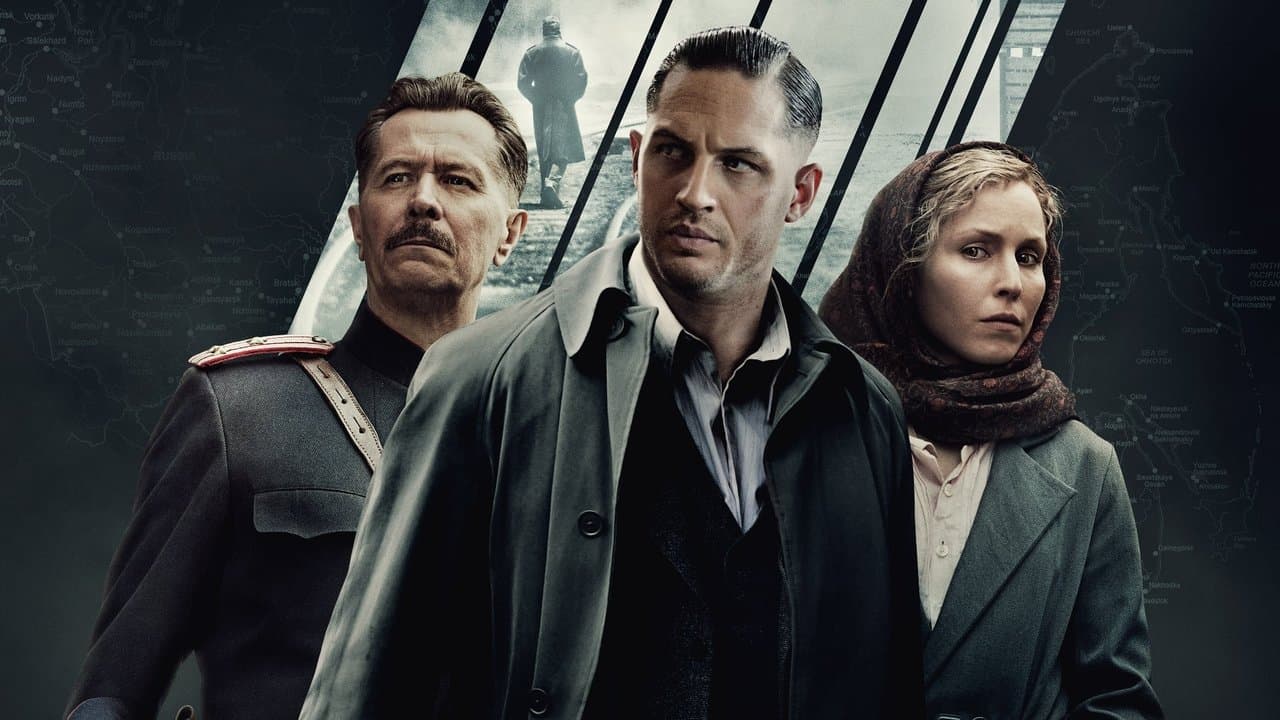
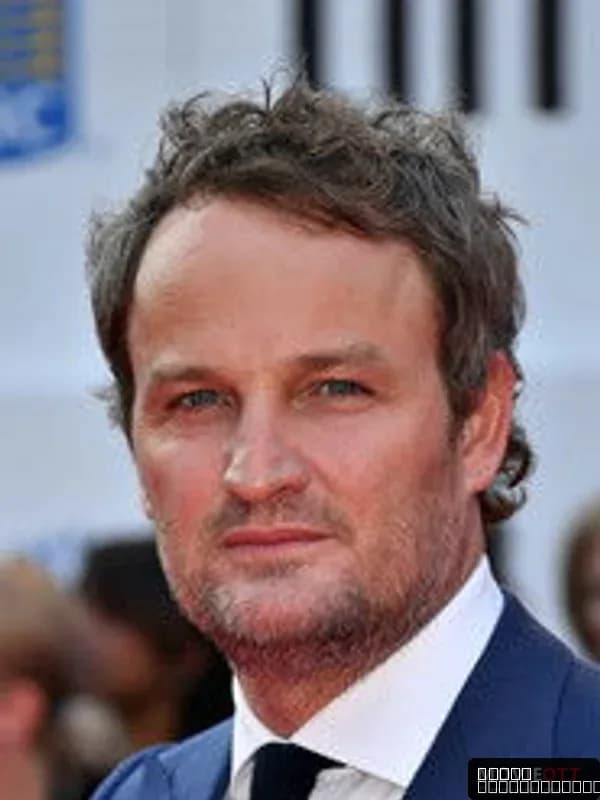
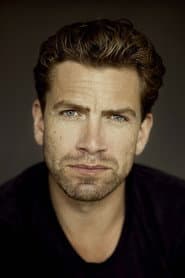
Director Daniel Espinosa brought this ambitious project to life with a cast that reads like a who's who of serious actors. Tom Hardy carries the lead as the disgraced agent, supported by Gary Oldman (in a rare villainous turn), Noomi Rapace, Joel Kinnaman, Paddy Considine, Jason Clarke, and Vincent Cassel—a lineup that signals genuine filmmaking intent rather than direct-to-streaming convenience. The screenplay came from Richard Price, an acclaimed crime novelist and screenwriter known for his work on HBO's The Wire, adapting Tom Rob Smith's 2008 novel, which itself was loosely inspired by the real case of Soviet serial killer Andrei Chikatilo.
Produced by Summit Entertainment, Worldview Entertainment, and Scott Free Productions (Ridley Scott's company), the film arrived with a substantial $50 million budget—a significant investment for a period thriller. Released on April 17, 2015, Child 44 faced an immediate and brutal box office reality. It earned just $13 million domestically, making it one of the more visible financial disappointments of that year. That gap between ambition and commercial performance tells you something about the film's reception: it's the kind of project that swings for the fences and misses, but doesn't necessarily miss because it's without merit.
What Makes Child 44 Stand Out
There's something genuinely unsettling about watching this film unfold. What's striking is how the movie doesn't let you settle into the comfort of a conventional thriller. Instead of a straightforward hunt for a killer, you're watching a man try to survive a system that's more interested in protecting its own image than solving crimes. The performances anchor this tension—Hardy brings a quiet, simmering frustration to a character caught between duty and morality, while Oldman's cold bureaucratic menace suggests that the real monster might wear a suit and a party badge.
The film gets caught between two competing impulses, though, and that's where some viewers feel it stumbles. On one hand, it's trying to be a procedural mystery, complete with investigative scenes and forensic details. On the other hand, it's attempting a broader critique of Soviet authoritarianism and the way totalitarian systems corrupt everything they touch—including the possibility of justice itself. These two ambitions don't always align smoothly. The pacing can feel uneven as the film shifts between intimate character moments and sprawling political intrigue. Some critics noted it lacks the dark, penetrating focus of HBO's Citizen X, which tackled similar material (the Chikatilo case) with more surgical precision.
What doesn't get lost, though, is the film's refusal to make this comfortable. The child murders are treated with genuine gravity—not exploited for shock value, but presented as evidence of a system's moral bankruptcy. Hardy's performance in particular carries a weight that prevents the film from becoming merely a procedural exercise. There's real anguish in his face when he realizes what he's up against isn't just a killer, but an entire apparatus designed to deny his existence.
Where to Stream Child 44 Online
If you're looking to catch Child 44, the film is available across major OTT services. Rather than hunting through multiple apps, Movie OTT tracks current streaming availability so you can find exactly where it's showing right now in your region. The "Where to Watch" widget at the top of this page will show you all the platforms carrying it at this moment—availability shifts between services, so checking there first saves time. At 137 minutes, it's a substantial commitment, so knowing where to find it matters before you settle in.
Frequently Asked Questions
Q: Is Child 44 based on a true story?
Yes and no. The film is loosely inspired by the real case of Soviet serial killer Andrei Chikatilo, but it's not a direct retelling. Tom Rob Smith's novel adapted the historical framework into a fictional narrative with invented characters and plot elements, so while the historical context is grounded in truth, the specific story you're watching is imagined.
Q: Who directed Child 44?
Daniel Espinosa directed the film. He's known for his work on crime and thriller projects, bringing a deliberate, atmospheric approach to this Cold War mystery.
Q: What's the runtime of Child 44?
The film runs 137 minutes, so it's a full two-plus-hour commitment. That length allows for the kind of slow-burn tension and political intrigue the story demands, though some viewers feel the pacing could've been tighter.
Q: Why did Child 44 bomb at the box office?
Despite a $50 million budget and an impressive cast, the film earned only $13 million domestically. It's a difficult film to market—it's neither a straightforward thriller nor a conventional period drama, and audiences in 2015 apparently weren't drawn to a bleak Soviet-era serial-killer mystery. Sometimes ambitious films just don't find their audience in theaters.
Q: How does Child 44 compare to other serial-killer thrillers?
Unlike more sensationalized killer-of-the-week shows, Child 44 uses the murders as a lens to examine institutional corruption and state denial. It's slower, more political, and less interested in the killer's psychology than in how a broken system enables him. That makes it more cerebral but potentially less immediately gripping than genre fans might expect.
Final Thoughts on Child 44
Child 44 is the kind of film that doesn't apologize for its ambitions or its darkness. It won't satisfy everyone—the tonal shifts between procedural mystery and political commentary can feel jarring, and the pacing occasionally drags. But if you're drawn to thrillers that use crime as a way to examine larger systemic failures, or if you're interested in Cold War-era stories that don't shy away from moral complexity, it's worth your time. Hardy's performance alone carries weight, and the film's refusal to offer easy answers feels increasingly rare in contemporary cinema.