The story of China Gate and its wartime setting
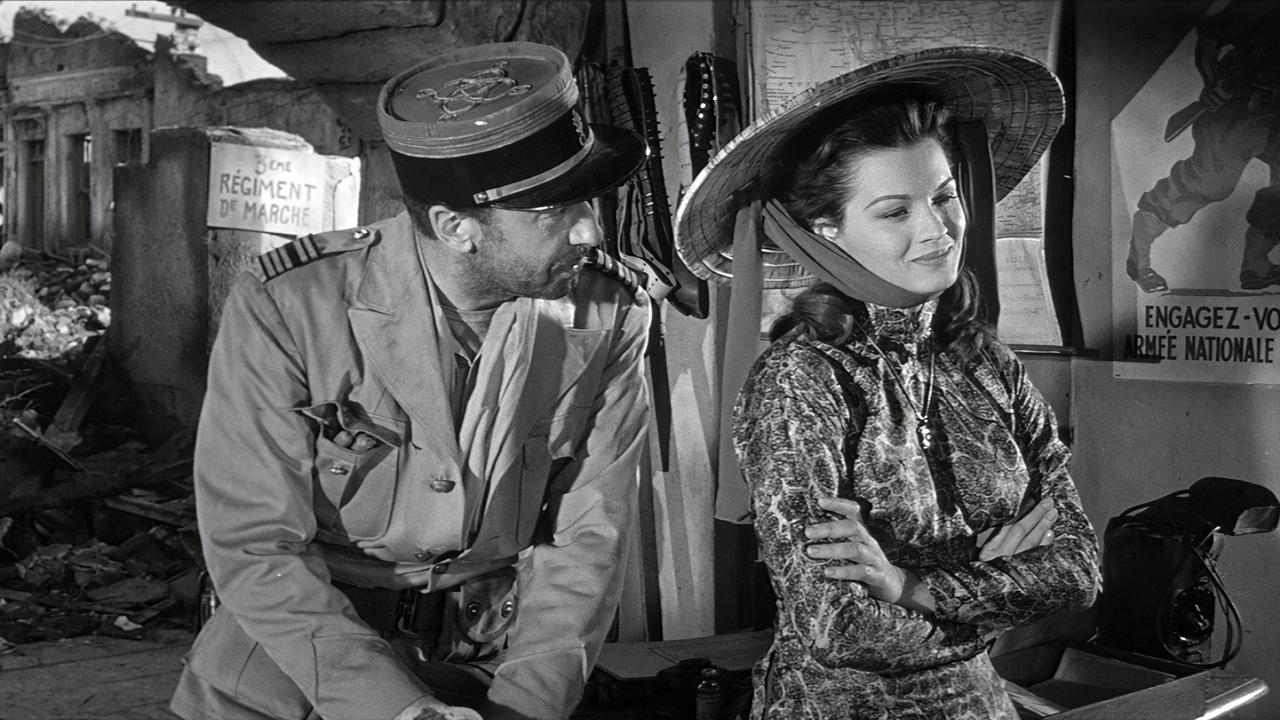
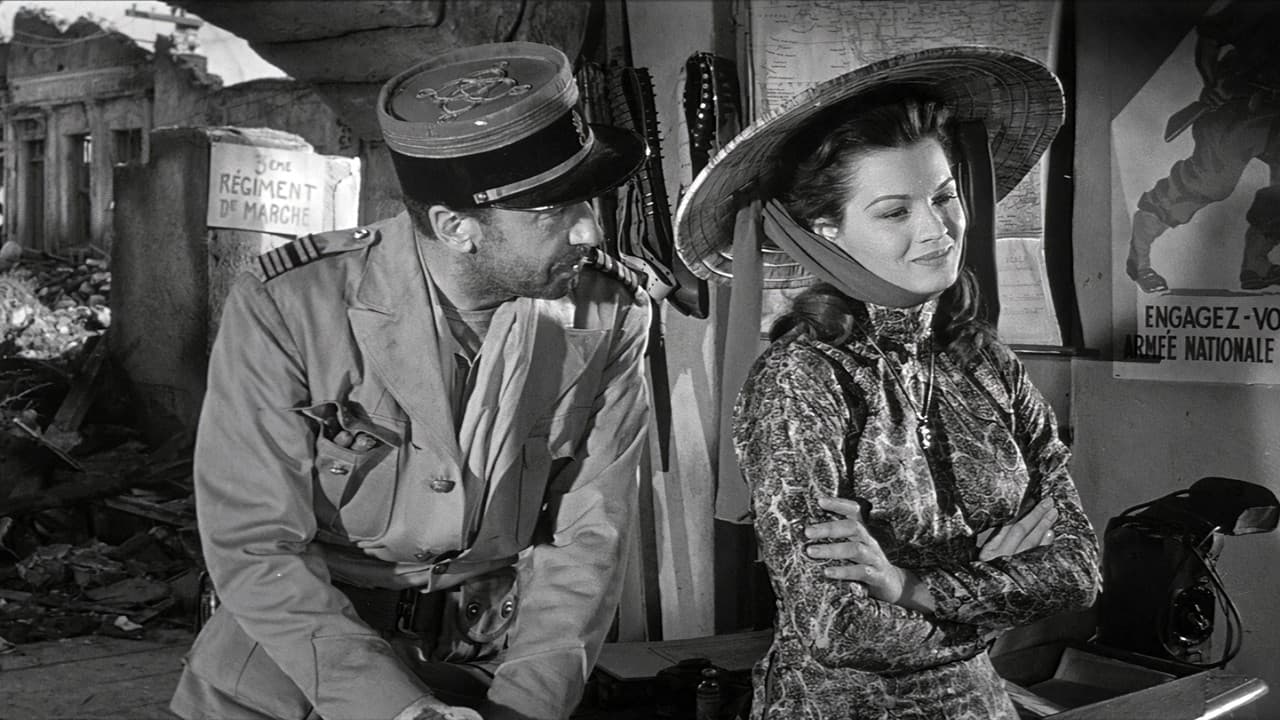
China Gate drops you into the final, desperate chapter of French colonial rule in Indochina. It's 1957, and Samuel Fuller's vision of the First Indochina War isn't some distant historical lesson — it's immediate, messy, and deeply personal. The film follows a group of mercenaries, a ragtag collection of soldiers and adventurers, who are tasked with traveling deep into enemy territory to locate and destroy a massive arms dump. The stakes couldn't be higher. They're outgunned, undersupplied, and operating in hostile terrain where every step could be their last. But what makes China Gate more than just another war-movie checklist is the human element woven through the mission: a local smuggler named "Lucky Legs" (Angie Dickinson) agrees to guide them—but only if they promise her young son safe passage to America. That bargain, struck in desperation, becomes the emotional core of everything that follows.
Behind the making of China Gate
Samuel Fuller, a legendary filmmaker known for his unflinching approach to genre storytelling, wrote, produced, and directed China Gate for 20th Century Fox. Released in CinemaScope—the widescreen format that was still relatively novel in 1957—the film was meant to capitalize on postwar audiences' appetite for action and spectacle. Fuller had already built a reputation for war pictures that didn't shy away from moral ambiguity, and China Gate was no exception. The cast included Gene Barry as the lead sergeant and Dickinson in a role that challenged 1950s Hollywood conventions by centering a mixed-race female character in a position of agency and survival. Dickinson, who'd worked with Fuller before, brought a distinctive toughness to the part—she wasn't a damsel waiting for rescue, but a woman making calculated, difficult choices to protect her child.
The production itself was mounted during a period when Hollywood was eager to process the recent Korean War and the ongoing tensions of the Cold War. China Gate arrived with an IMDb rating of 6.2/10, suggesting mixed reception even among classic film enthusiasts. That middling score doesn't tell the full story, though. The film had its admirers in the critical press, and it's become something of a rediscovery for viewers interested in Fuller's body of work and the way 1950s cinema grappled with Asian geopolitics.
What makes China Gate stand out in war cinema
What's striking about China Gate is how Fuller refuses to let the action overshadow the relationships. Yes, there are explosions and combat sequences—the film runs 97 minutes and doesn't waste time—but the real tension builds between the characters. The sergeant and Lucky Legs share a past; he'd abandoned her years earlier, and now they're forced to work together in conditions that'll test everything they thought they'd buried. That's not a subplot tacked on for romantic appeal. It's the engine of the entire story.
The thing nobody mentions is how prescient the film was about the limits of Western military intervention. Here's a group of soldiers sent to win a war that's already lost, working with local guides whose survival interests don't align with their own. It's a setup that would feel contemporary even now—not because Fuller was making some grand political statement, but because he was honest about the messy reality on the ground. Viewers who appreciate films like Samuel Fuller's other war work will recognize his signature style: sparse dialogue, sudden violence, and a camera that doesn't flinch from showing what war actually looks like.
Angie Dickinson's performance is the anchor. She moves through the film with a kind of weary pragmatism—she's not performing femininity or vulnerability, she's performing survival. That distinction matters. When you're tracking down where to stream classic war films on Movie OTT, you'll find that Dickinson's work in this era often gets overlooked in favor of her later television fame, but China Gate demonstrates why she was such a compelling screen presence.
Where to stream China Gate online
China Gate is currently available on major OTT services, and the "Where to Watch" widget at the top of this page will show you exactly which platforms carry it in your region. Streaming availability does shift, so if you're planning to revisit Fuller's work or discover it for the first time, it's worth checking that widget before you start hunting. Movie OTT tracks current availability across multiple services, so you won't waste time searching. The film's 97-minute runtime makes it an easy fit for an evening watch, and the CinemaScope presentation—while you won't get the full theatrical effect on a home screen—still holds up as a visual experience.
Frequently asked questions
Q: Who directed China Gate?
Samuel Fuller wrote, produced, and directed China Gate. Fuller was a legendary filmmaker known for his unflinching approach to war stories and genre cinema, and China Gate is one of his most underrated works.
Q: Is China Gate based on a true story?
The film is set during the real First Indochina War (1946–1954), but it's a fictional narrative. Fuller drew on the historical period and setting to tell a story about mercenaries, survival, and personal relationships during wartime.
Q: Who stars in China Gate?
The film stars Gene Barry in the lead role as a sergeant and Angie Dickinson as Lucky Legs, the local smuggler and guide. Dickinson's performance is a standout, bringing complexity and agency to a character that could've been one-dimensional in less skilled hands.
Q: How long is China Gate?
The film runs 97 minutes, making it a lean, efficient war drama that doesn't overstay its welcome.
Q: What is China Gate's plot about?
The story follows a group of mercenaries recruited to travel through enemy territory to locate and destroy an arms dump near the Chinese border. A local smuggler agrees to guide them in exchange for helping her young son escape to America, setting up both the action and the emotional core of the film.
Final thoughts on China Gate
China Gate isn't a perfect film—its 6.2 IMDb rating reflects some legitimate pacing issues and the occasional moment where the dialogue feels dated. But it's a rewarding watch for anyone interested in how 1950s Hollywood processed war, colonialism, and the messy human costs of military adventure. Samuel Fuller's fingerprints are all over it: the refusal to simplify moral questions, the focus on character over spectacle, the willingness to let scenes breathe. If you haven't encountered Fuller's work before, China Gate is a solid entry point. If you're already a fan, it's a reminder of why his films continue to matter.