



The Story of Color Adjustment
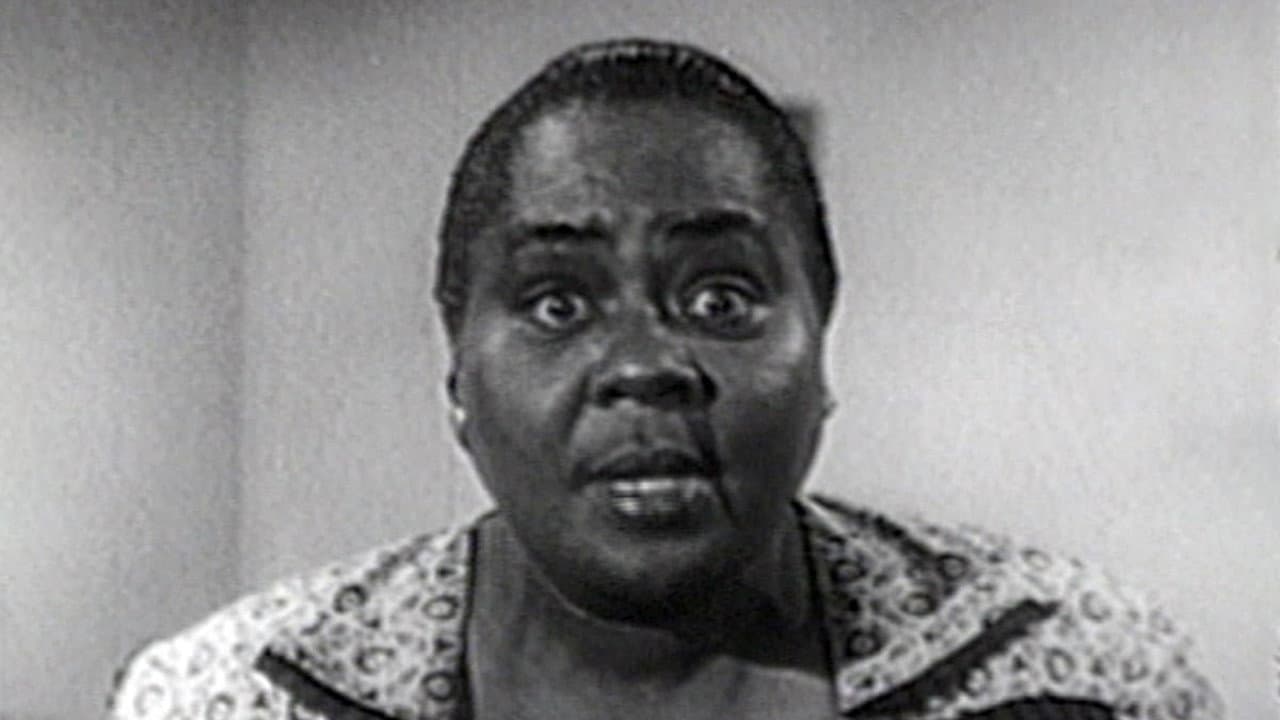
Color Adjustment is a documentary that reframes how we watch television. Rather than treating the small screen as mere entertainment, filmmaker Marlon Riggs positions it as a historical record—one that's been quietly shaping America's racial consciousness for 40 years. The film doesn't just catalog stereotypes; it traces an arc from the Jim Crow-era caricatures of Amos 'n' Andy through the groundbreaking presence of Nat King Cole, the seismic cultural moment of Roots, and the complicated legacy of The Cosby Show. Riggs weaves together original interviews with producers, actors, and scholars alongside clips from the actual broadcasts, creating something that feels less like a lecture and more like a conversation about what we've all been watching—and what it's been doing to us.
At 80 minutes, the film moves briskly, but it never feels rushed. That's partly because Riggs trusts his material; the TV clips often speak for themselves, and the contrast between a 1950s variety show and a 1980s sitcom is its own argument. The documentary doesn't pretend there's a simple moral arc here. Television got better at including Black faces, sure. But did it get better at showing Black lives? That's the question that haunts the film—and it's why Color Adjustment still feels urgent today.
Behind the Making of Color Adjustment
Marlon Riggs made Color Adjustment as a direct follow-up to his earlier work, Ethnic Notions, which examined racial stereotypes in advertising and entertainment going back to the 19th century. By 1992, Riggs had already established himself as a documentary filmmaker willing to tackle uncomfortable truths about American visual culture. For Color Adjustment, he assembled a production that drew on archival resources, broadcast libraries, and the kind of access to industry figures that only a filmmaker with his reputation could secure.
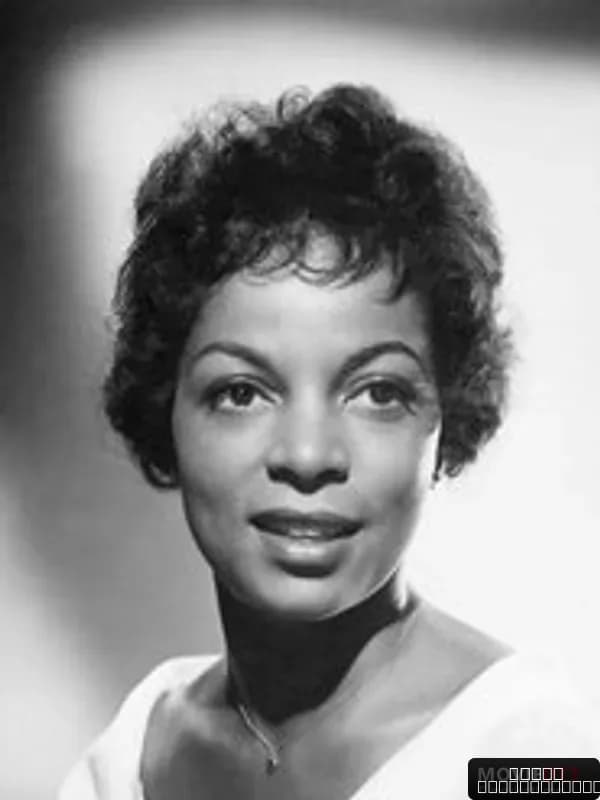
The film is narrated by Ruby Dee, the legendary actress and civil rights activist, whose voice carries the weight of someone who'd lived through many of the eras the documentary covers. Dee's narration isn't detached; she's not just reading text. Her presence reminds viewers that this isn't ancient history—it's lived experience. The documentary features interviews with television producers, network executives, Black actors who'd navigated the system, and scholars analyzing the patterns. Riggs doesn't shy away from letting producers defend their choices or explain their reasoning, which makes the film feel fair-minded even when it's clearly critical.
While Color Adjustment didn't achieve mainstream box office success (it's a documentary, so theatrical runs were limited), it became a staple in academic settings, film festivals, and—crucially—on public television and educational platforms. The film won recognition at major documentary festivals and has been preserved by institutions like the Library of Congress, cementing its status as a historical document about how we document history. According to Variety and other trade publications at the time, the film's release sparked genuine conversation in the industry about representation and accountability.
What Makes Color Adjustment Stand Out
What's striking about Color Adjustment is how it avoids the trap of being preachy. Riggs could've made a film that simply condemned old TV shows, but instead he asks viewers to sit with the contradiction: these shows were often beloved, sometimes genuinely entertaining, and yet they were also trafficking in harmful stereotypes. That tension—between entertainment and ideology, between progress and persistence—is what makes the film work.
The humor matters too. Riggs includes genuinely funny moments from old broadcasts, and he doesn't ask the audience to feel guilty for laughing. Instead, he lets that laughter become uncomfortable, which is exactly the point. You're watching something that made people laugh in 1955, and now you're realizing what the joke was actually about. It's a masterclass in using editing and juxtaposition to make an argument without heavy-handed narration.
I keep coming back to the way Riggs handles the most recent material in the film. The Cosby Show, which aired from 1984 to 1992, represented a watershed moment—a show that centered a Black family and became a cultural phenomenon. But Riggs doesn't treat it as a simple victory. He lets critics and scholars ask hard questions: Does showing successful Black characters actually change how white audiences view Black people in general, or does it just make them feel better about themselves? Does a single positive image erase decades of negative ones? These questions don't have clean answers, and the film doesn't pretend they do. That intellectual honesty is rare in documentaries, especially ones made in the early '90s.
How to Stream Color Adjustment Online
Color Adjustment is available on major OTT services, and you can check the Where to Watch widget at the top of this page for current availability on your preferred platform. Because it's a documentary with significant educational value, you'll often find it on streaming services that prioritize documentary and prestige content. Movie OTT tracks which platforms currently have Color Adjustment in their libraries, so you can find it without hunting across multiple apps. The film's 80-minute runtime makes it perfect for a single sitting, though you'll probably want to pause and discuss it with someone—it's that kind of movie. Given its relevance to media studies, American history, and ongoing conversations about representation, it's also widely available through educational institutions and libraries, so if you have access through a school or university, that's worth checking first.
Frequently asked questions
Q: Who directed Color Adjustment?
Marlon Riggs directed and produced the film. Riggs was an acclaimed documentary filmmaker known for his unflinching examinations of race and representation in American media and culture.
Q: Is Color Adjustment based on a true story?
Color Adjustment isn't a narrative film—it's a documentary that uses actual television broadcasts, archival footage, and interviews to trace the real history of how African Americans have been portrayed on American television from the 1950s through the early 1990s.
Q: How long is Color Adjustment?
The film runs 80 minutes, making it a lean, focused documentary that covers four decades of television history without unnecessary padding.
Q: What's the IMDb rating for Color Adjustment?
Color Adjustment has an IMDb rating of 6.923/10, reflecting its status as a critically respected but specialized documentary that resonates most strongly with viewers interested in media history and racial representation.
Q: Who narrates Color Adjustment?
The documentary is narrated by Ruby Dee, the legendary actress and civil rights activist whose involvement adds historical weight and personal perspective to the film's examination of television's racial narratives.
Final Thoughts on Color Adjustment
Color Adjustment is essential viewing for anyone who cares about how media shapes culture—which, honestly, should be all of us. It's not a comfortable film, and it doesn't offer easy reassurance. But it's also not a guilt trip. What it does is make you aware of the choices that went into what you watched growing up, and it invites you to think more critically about what you're watching now. The film argues, without saying it outright, that television is never just entertainment; it's always also a conversation about who we are and who we think we should be. Thirty years after its release, that argument feels more relevant than ever. Whether you're a media studies student, a television historian, or just someone who wants to understand the cultural forces that shaped American entertainment, Color Adjustment belongs on your watchlist.