What Colors of Evil: Black is about
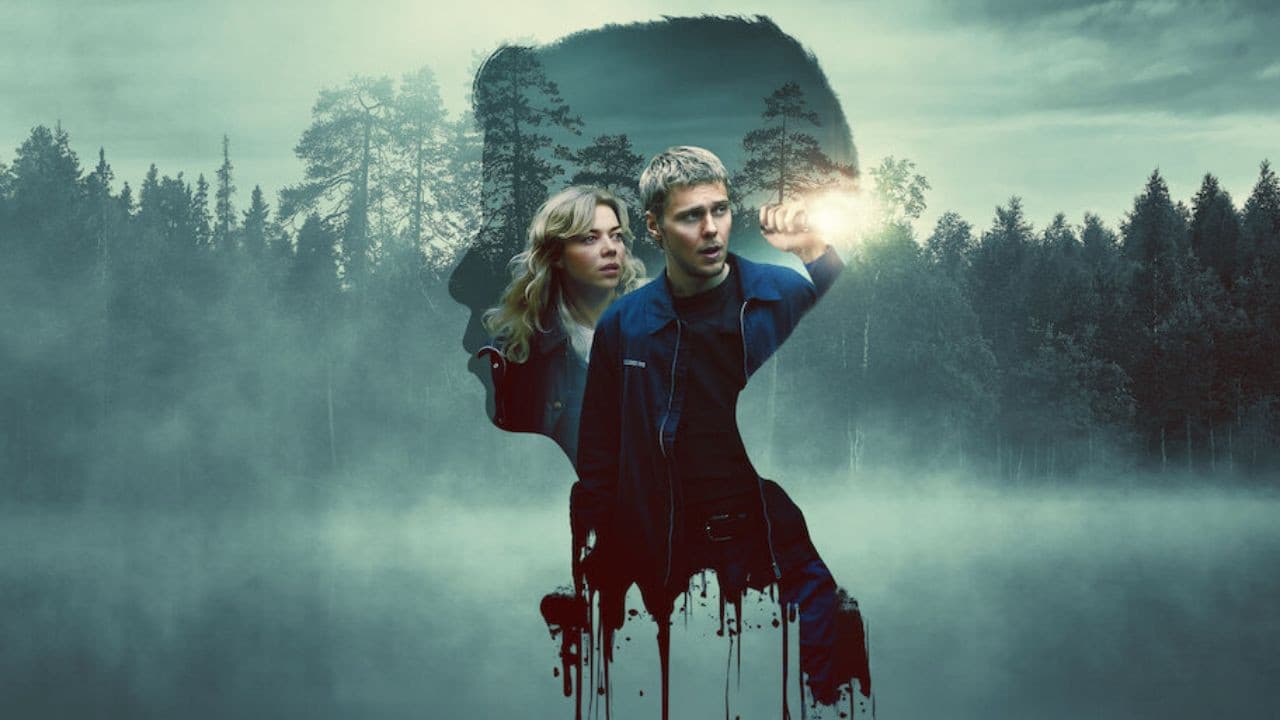
Colors of Evil: Black drops prosecutor Leopold Bilski into a remote Polish town where children have started disappearing — and where the locals seem more afraid of an old story than of any flesh-and-blood suspect. The film picks up the franchise's signature tension between rational investigation and the kind of dread that seeps out of a place's history, its soil, its silence. Bilski isn't chasing a ghost, exactly, but the sinister local legend woven into the disappearances keeps pulling the case sideways, forcing him to decide how much of what he can't explain still deserves to be taken seriously. No spoilers here — but the film earns its TV-MA rating early, and it doesn't let go.
How Colors of Evil: Black came together — production, cast, and the book behind the film
Colors of Evil: Black is the second film in the Colors of Evil franchise, produced by Aurum Film and released globally on Netflix on June 10, 2026. Director Adrian Panek returns to helm the sequel, building on the visual grammar he established in the first installment — wide, oppressive landscapes, interiors that feel one degree too dark, and a pacing that refuses to rush. Panek has developed a real feel for Polish provincial unease, and Black leans harder into that register than its predecessor did.
Jakub Gierszał reprises the role of Leopold Bilski, the prosecutor who became the quiet anchor of the first film. Gierszał is one of those actors who does a lot with stillness — there's a scene where he's standing at the edge of a forest at dusk, and the camera just holds on him, and you understand everything about what this case is costing him without a single line of dialogue. Marianna Zydek and Zdzisław Wardejn round out the principal cast, both bringing the kind of specificity that makes supporting roles feel inhabited rather than functional.
Like its predecessor, Colors of Evil: Black is based on the bestselling book trilogy by Małgorzata Oliwia Sobczak, whose work has already proven it can carry a franchise. The source material is the third novel in Sobczak's series, which means the filmmakers had a dense, plotted foundation to work from. As of publication, no formal awards nominations have been announced, and major review aggregators haven't yet posted scored critical consensus — the film is simply too new. Box-office data is likewise unavailable, which makes sense for a Netflix-exclusive title. What we do know is that the franchise arrived with real momentum: the first film, Colors of Evil: Red, built a substantial international following on the platform.
What makes Colors of Evil: Black stand out from other European crime thrillers
Honestly, the thing that separates this film from the crowded field of Scandinavian-adjacent crime dramas is its relationship with place. A lot of European thrillers use rural settings as backdrop — atmospheric wallpaper. Colors of Evil: Black treats the town itself as a character with agency, almost a suspect. The local legend isn't a red herring or a piece of color; it's structurally load-bearing in a way that's genuinely unusual for the genre.
Gierszał's performance as Bilski is the other differentiator. He doesn't play the prosecutor as a tortured genius or a broken alcoholic — two archetypes the genre has thoroughly exhausted. Bilski is competent, observant, and quietly rattled, which is somehow more unsettling to watch than operatic suffering. You keep waiting for him to crack, and Gierszał keeps not giving you that release.
What's striking is how the film handles its mythology. It never fully commits to the supernatural, never fully dismisses it either — and that ambiguity, sustained over a feature runtime without becoming irritating, is harder to pull off than it sounds. The screenplay trusts the audience to sit in uncertainty. The craft on display — cinematography, sound design, the way silence is used as punctuation — is consistently at a level above what you'd expect from a franchise sequel. That's not faint praise. Sequels tend to coast. This one doesn't.
Movie OTT tracks streaming availability across platforms in real time, and Colors of Evil: Black has been one of the more-searched titles since its June 10 debut — a signal that the franchise's first-film audience showed up.
Where to stream Colors of Evil: Black online
Colors of Evil: Black is streaming exclusively on Netflix, where it carries a TV-MA rating. If you've already got a Netflix subscription, there's nothing extra to do — search the title and it's there. The Where-to-Watch widget at the top of this page reflects current availability and updates automatically, so if the distribution picture changes, that's your fastest reference.
For viewers who want to track the full Colors of Evil franchise in one place, Movie OTT aggregates streaming availability across major OTT services, making it easy to confirm whether Colors of Evil: Red (the 2024 first installment) is accessible on the same platform before you start the sequel. Watching them in order genuinely matters here — Black assumes familiarity with Bilski and doesn't spend much time re-establishing him.
Frequently asked questions
Q: Where can I watch Colors of Evil: Black?
Colors of Evil: Black is streaming exclusively on Netflix as of its June 10, 2026 global release date. It carries a TV-MA rating on the platform. Check the Where-to-Watch widget on this page or visit Movie OTT for the most current availability information.
Q: Who directed Colors of Evil: Black, and is it a sequel?
Adrian Panek directed Colors of Evil: Black, returning from the first film in the franchise. It is the second installment in the Colors of Evil series, following Colors of Evil: Red (2024), and is based on Małgorzata Oliwia Sobczak's bestselling book trilogy.
Q: Who stars in Colors of Evil: Black?
Jakub Gierszał leads the film as prosecutor Leopold Bilski, reprising the role he played in Colors of Evil: Red. Marianna Zydek and Zdzisław Wardejn co-star in supporting roles.
Q: Is Colors of Evil: Black based on a true story or a book?
The film is based on Małgorzata Oliwia Sobczak's novel — the third book in her crime trilogy — not on real events. The Colors of Evil series is a work of fiction, though it draws on Polish rural settings and folklore for its atmosphere.
Q: Do I need to watch Colors of Evil: Red before Colors of Evil: Black?
Technically you could watch Black on its own, but the film doesn't re-introduce Leopold Bilski from scratch — it picks up with him as an established figure. Watching Colors of Evil: Red first will give you the character context that makes Bilski's arc in the sequel land with more weight.
Final thoughts on Colors of Evil: Black — who should watch it
Colors of Evil: Black is built for viewers who want their crime thrillers to carry genuine dread rather than just procedural momentum. If you finished Colors of Evil: Red and immediately wanted more of Bilski and the franchise's particular brand of provincial darkness — this delivers. It's a stronger, stranger film than most Netflix crime sequels manage to be. Fans of Polish cinema, Scandinavian noir, or slow-burn mystery will find a lot to sit with here. Hard to say if it'll pick up awards traction once the season matures, but as a piece of genre filmmaking, it's worth your two hours.