The Story of Contact: Science Meets the Unknown
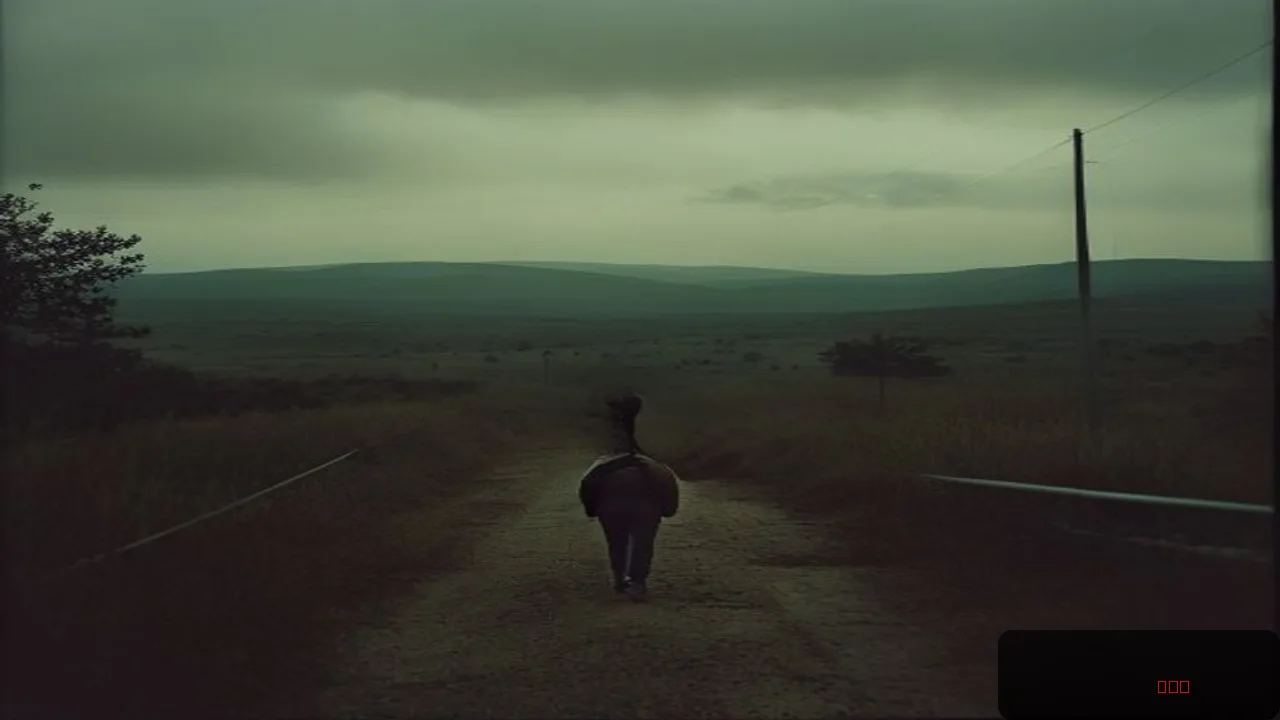
Contact follows Dr. Ellie Arroway, a brilliant radio astronomer obsessed with the possibility of extraterrestrial life, who receives an unmistakable signal from the star Vega. What begins as a career-defining moment spirals into something far larger—a global phenomenon that forces humanity to confront its deepest questions about existence, belief, and what it means to be alone in the universe. The film doesn't rush its premise. Instead, it takes its time building a world where science and faith collide, where ambition meets doubt, and where one woman's conviction that we're not alone becomes a mission that'll change everything.
Behind the Making of Contact: Production, Cast, and Ambition
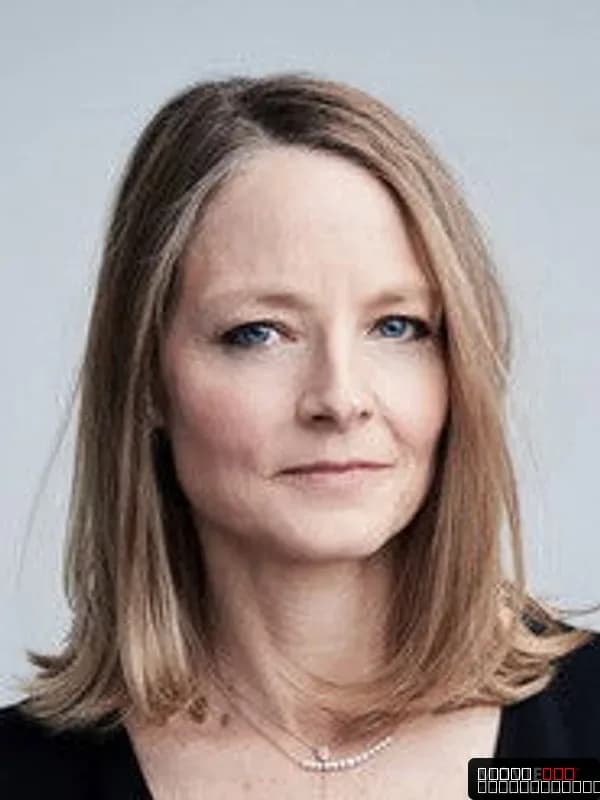
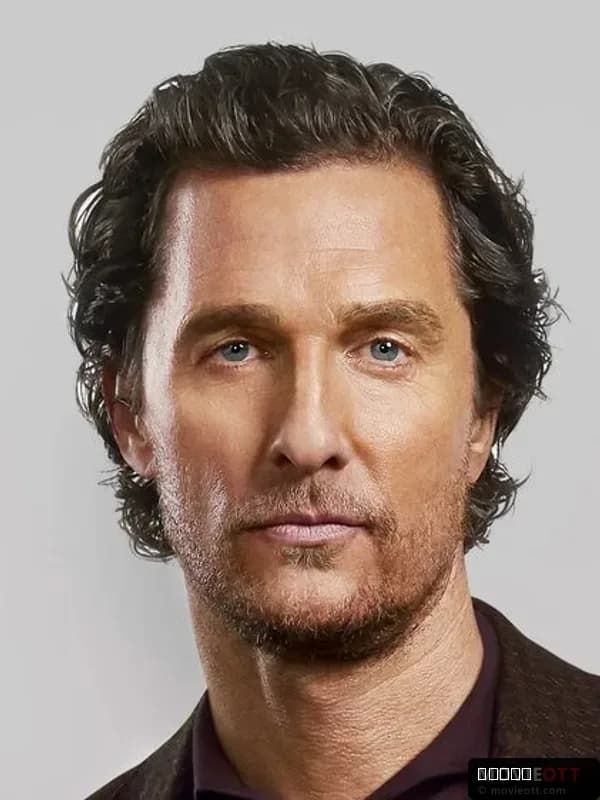
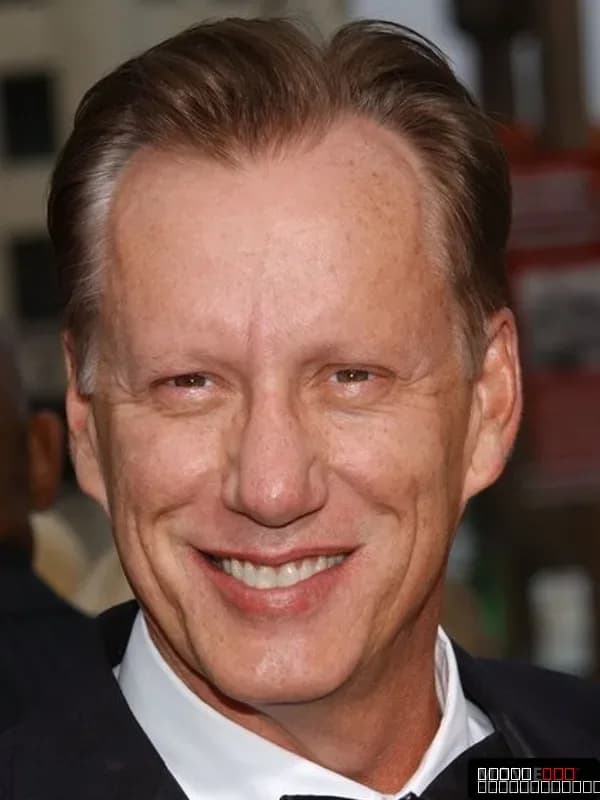
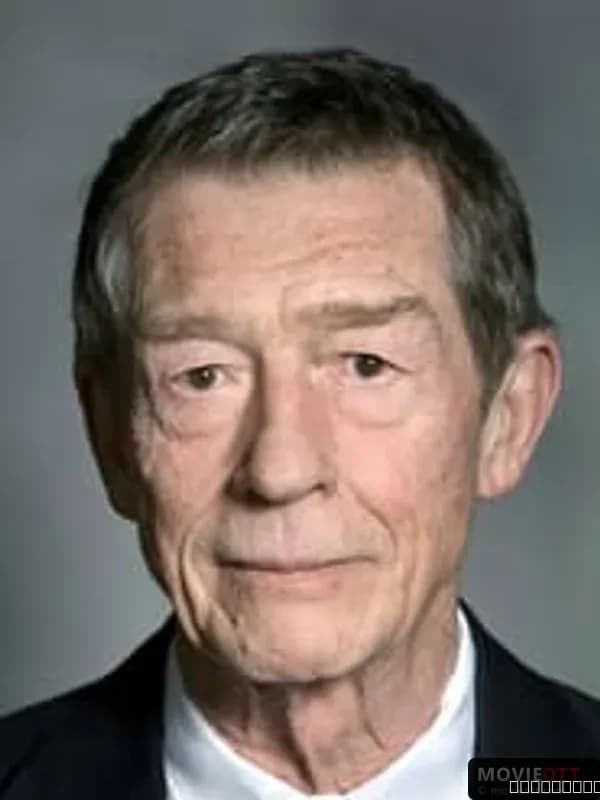
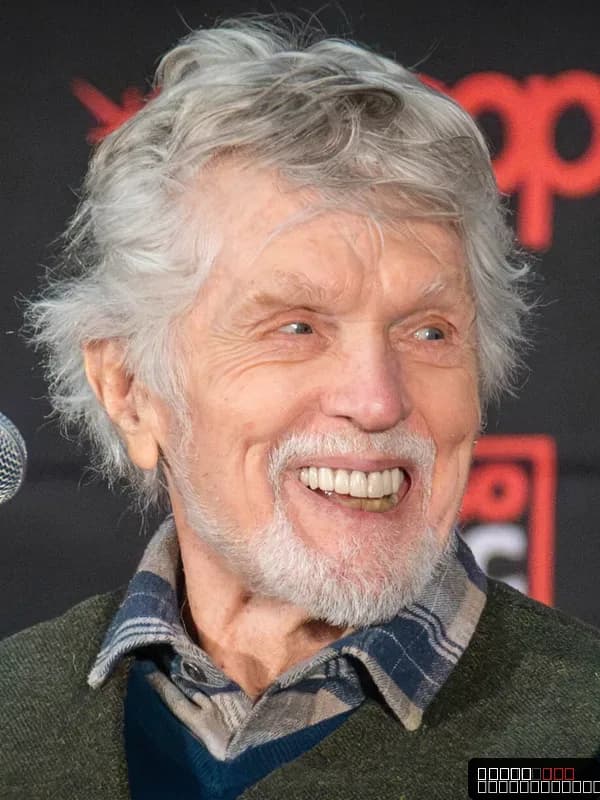
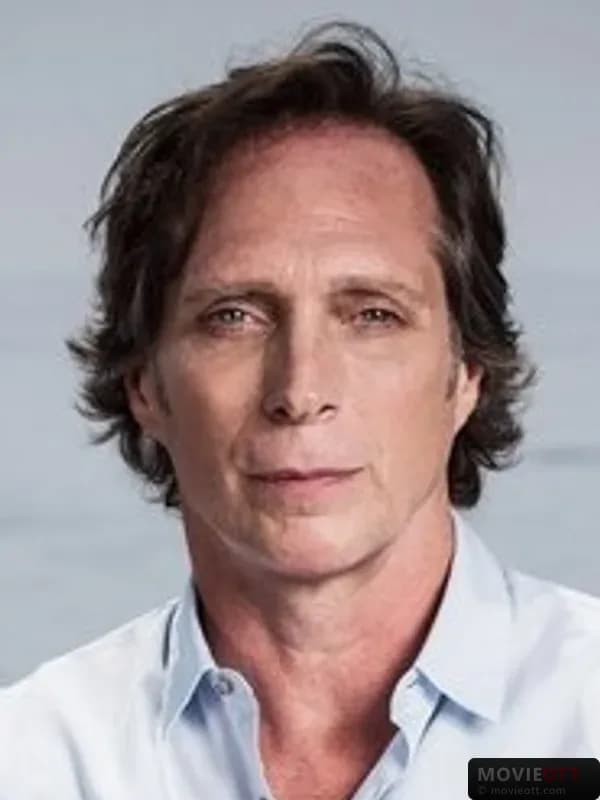
Robert Zemeckis directed Contact with the kind of meticulous care he'd bring to a character study, not a blockbuster. Released in 1997, the film starred Jodie Foster in a role that showcased her range—playing a woman driven by intellect but haunted by personal loss. The supporting cast was equally strong: Matthew McConaughey as a charismatic theologian, James Woods as a corporate power player, John Hurt as a dying intelligence official, Tom Skerritt as a military commander, and William Fichtner and David Morse rounding out a ensemble that felt lived-in and credible.
The production itself was ambitious. Zemeckis and cinematographer Don Burgess crafted sequences that feel grounded even when depicting the impossible. The special effects—which won the film considerable attention—serve the story rather than overwhelm it. At 150 minutes, Contact was a gamble for a studio film in the late '90s, but Zemeckis trusted his audience to sit with ambiguity and wonder. The film earned solid box office returns and maintained a 7.4 rating on IMDb, reflecting its lasting appeal among viewers who appreciate science fiction that takes ideas seriously. It received multiple award nominations and remains a reference point for how to handle hard sci-fi concepts on screen.
What Makes Contact Stand Out: Performances That Ground the Extraordinary
What's striking is how Contact never lets spectacle overshadow character. Foster's performance—quiet, determined, vulnerable—anchors the entire film. She plays Arroway as someone who's spent her whole life looking up at the sky, and when that sky finally answers back, the weight of it nearly breaks her. There's a scene where she's listening to the signal for the first time, and her face captures something ineffable: wonder mixed with vindication mixed with terror. It's the kind of acting that doesn't announce itself.
Matthew McConaughey, early in his career, brings unexpected depth to a role that could've been one-dimensional. His character—a man of faith—isn't portrayed as an obstacle to Arroway's science; instead, their dynamic explores something more nuanced and human. Audiences noted that their chemistry felt underdeveloped given the runtime (they share maybe 15 minutes of screen time), yet that absence itself becomes meaningful—a reflection of how divided we are on these fundamental questions. The supporting performances from Woods, Hurt, and Skerritt create a world where high-stakes science and politics feel credible.
Honestly, what separates Contact from other sci-fi films is its refusal to provide easy answers. It's not a film about triumph or discovery in the traditional sense. It's about doubt, faith, and the gap between what we can prove and what we believe. That's rare in mainstream cinema, and it's what keeps people returning to it decades later.
Where to Stream Contact Online
If you're ready to experience Zemeckis' vision, Contact is currently available on Prime Video. You can check the where-to-watch widget at the top of this page for real-time availability across your region. Movie OTT tracks current streaming availability, so if you're hunting for where to watch Contact or any other title, the platform keeps its database updated across all major services. The 150-minute runtime means you'll want to set aside an evening—this isn't a film to half-watch while scrolling.
Frequently asked questions
Q: Who directed Contact?
Robert Zemeckis directed Contact. He brought the same meticulous attention to character and story that defined his earlier work, creating a sci-fi film that prioritizes ideas and human emotion over spectacle.
Q: Is Contact based on a true story?
No, Contact is based on Carl Sagan's 1985 novel of the same name. Sagan, a renowned astronomer and science communicator, wrote the book, and the film adapts his exploration of science, faith, and humanity's place in the cosmos.
Q: What's the runtime of Contact?
Contact runs 150 minutes (two hours and 30 minutes), giving Zemeckis plenty of time to develop the story's philosophical and emotional dimensions without rushing the narrative.
Q: Where can I watch Contact?
Contact is currently streaming on Prime Video. Movie OTT's where-to-watch widget will show you the most up-to-date availability for your location.
Q: What's the IMDb rating for Contact?
Contact holds a 7.4 rating on IMDb, reflecting its reputation as a thoughtful, well-executed sci-fi drama that's held up remarkably well over the past 25+ years.
Final Thoughts on Contact: Who Should Watch
Contact is for viewers who want their science fiction to ask hard questions rather than provide simple answers. If you're drawn to stories about ambition, faith, and the search for meaning—and you don't mind sitting with uncertainty—this film rewards your attention. It's a reminder that the best sci-fi isn't about aliens or technology; it's about us, and what we're willing to believe when confronted with the vastness of existence. Zemeckis made something genuinely rare: a blockbuster that thinks.