





The story of Control: death row, second chances, and the price of redemption
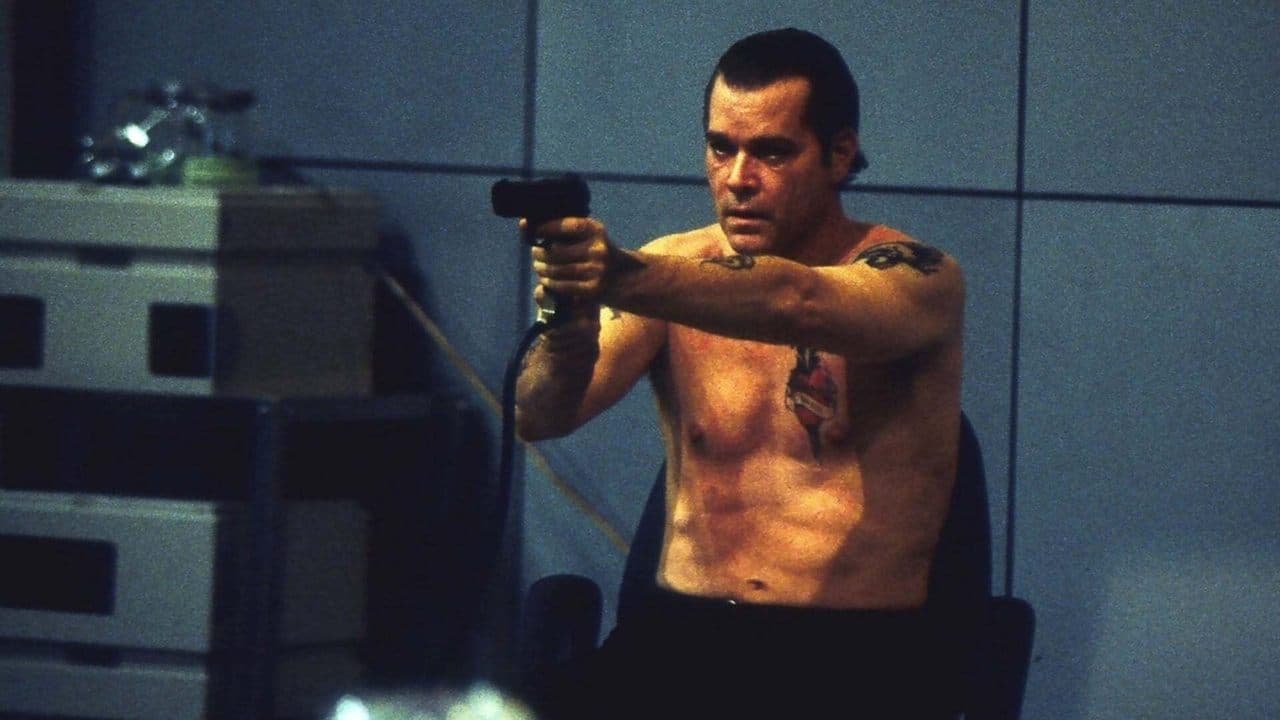
Control opens with a premise that's almost too good to refuse. Lee Ray Oliver sits on death row, his execution date looming, when he's offered something nobody condemned to death gets—a choice. Accept an experimental chemical treatment designed to fundamentally alter his behavior, his impulses, his very nature, and he walks free. Sentenced to death, chosen to live, destined to kill again. The tagline isn't hyperbole. What unfolds is a taut examination of whether redemption bought through science is redemption at all, or just a different kind of trap. The film doesn't waste time with courtroom drama or lengthy backstory; it drops you into the moment the deal is struck and follows Oliver as he navigates a world that doesn't trust him, a body that's no longer entirely his own, and urges he can't quite control—no matter what the treatment promises.
Behind the making of Control: from shelved theatrical release to direct-to-video cult status
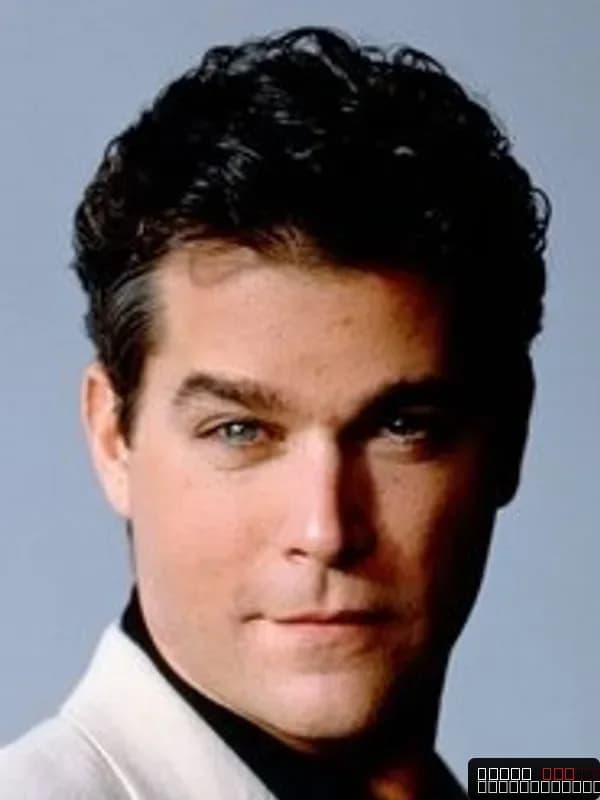
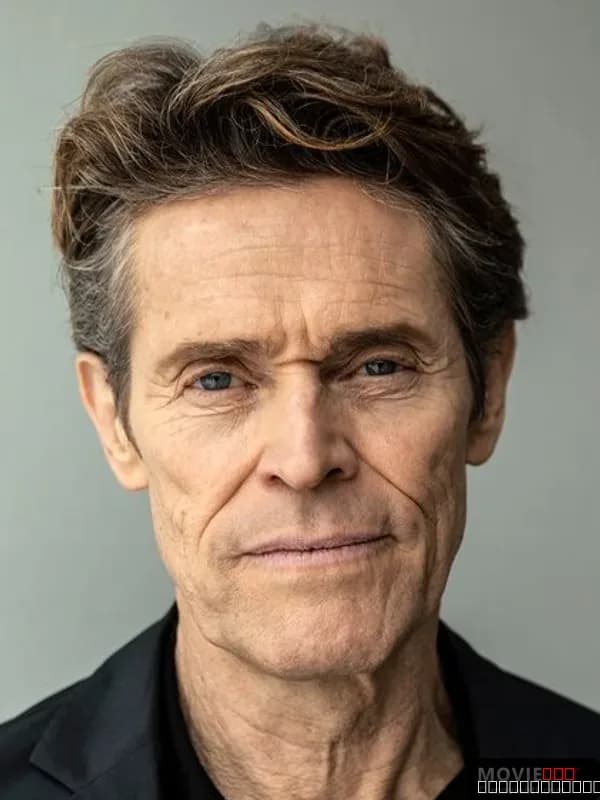
Control arrived in 2004 as the product of a notable creative team. Director Tim Hunter—known for his work in television and indie film—helmed the project with a lean, efficient eye. The film was shot in Bulgaria, a choice that kept production costs manageable while lending the narrative an outsider's perspective. Ray Liotta carries the lead role, bringing the gravitas and moral ambiguity he'd honed in films like Goodfellas and Cop Land. Alongside him, Willem Dafoe and Michelle Rodriguez anchor supporting roles with their own particular intensity. What's striking is the pedigree on display: this isn't a B-movie cast, but rather established actors working at a lower budget tier, which often means they're taking creative risks mainstream studios won't fund. Lionsgate originally planned a theatrical release in the United States, but the film was shelved before eventually finding its home on home video through Millennium Entertainment. The IMDb rating of 6.1 out of 10 reflects a film that's uneven but ambitious—the kind of project that divides viewers rather than boring them. It's the kind of title Movie OTT helps surface precisely because it didn't get the theatrical push that might've buried it or made it a mainstream hit.
What makes Control stand out: performance and the ethics of behavioral modification
The real engine of Control is its central moral question, and Liotta's performance is the vehicle that drives it home. He plays Oliver not as a villain seeking redemption, but as a man genuinely trapped—first by the justice system, then by the very treatment meant to free him. There's a scene early on where he's struggling with the medication's side effects, and you can see the conflict playing out across his face: gratitude warring with horror, hope shadowed by doubt. That's where the film earns its weight. What's striking is how the script doesn't let anyone off easy. The scientists running the program aren't villains twirling mustaches; they're true believers convinced they're saving a life. The government officials overseeing it aren't cartoonishly corrupt; they're pragmatists who see a cost-effective solution. Even Oliver himself isn't a straightforward protagonist—he's complicit in his own transformation, having made a choice (however desperate) to undergo the procedure. Willem Dafoe, playing one of the program's architects, brings a cold professionalism to the role that makes his character's convictions feel genuine, which somehow makes the whole enterprise more unsettling. The 104-minute runtime never feels slack; every scene pushes the narrative forward, and the thriller elements—the action sequences, the cat-and-mouse dynamic that emerges—serve the philosophical core rather than overshadowing it.
Where to stream Control online
Control is currently available on major OTT services, and the Where to Watch widget at the top of this page will show you exactly which platforms are carrying it in your region right now. Streaming availability shifts regularly—a title might disappear from one service and pop up on another within weeks—so checking that widget before you settle in is your best bet. Movie OTT tracks these shifts across Netflix, Prime Video, and other major platforms so you don't waste time hunting. The film's journey from theatrical limbo to streaming availability is actually fitting for a movie about second chances and unexpected paths. You'll find it's one of those titles that rewards a deliberate search, which means if you're reading this, you're already halfway to discovering it.
Frequently asked questions
Q: Is Control based on a true story?
No, Control is a fictional thriller. While the premise of behavioral modification through chemical treatment touches on real scientific research and ethical debates, the specific narrative and characters are original to the film.
Q: Who directed Control and when was it released?
Tim Hunter directed Control, which was released in 2004. Hunter is an accomplished television and film director known for his work across multiple genres, bringing a sharp, economical style to this thriller.
Q: What's the runtime of Control?
Control runs 104 minutes, which gives the story enough breathing room to explore its central premise without padding or excessive exposition.
Q: Why wasn't Control released in theaters?
Though Lionsgate originally planned a theatrical release in the United States, the film was shelved and eventually released directly to home video by Millennium Entertainment. This wasn't uncommon for mid-budget thrillers in the 2000s, especially those with darker or more ambiguous endings that studios felt wouldn't perform in multiplexes.
Q: Can I watch Control on streaming services right now?
Yes. Control is available on major OTT platforms. Check the Where to Watch widget above to see which services are currently streaming it in your location, as availability varies by region and changes frequently.
Final thoughts on Control: a film for viewers who like their thrillers morally complicated
Control won't blow your mind with originality—the premise of the wrongly condemned getting a second chance is well-trodden ground. But it executes that premise with genuine intelligence and doesn't shy away from the messy implications. It's a film that trusts its audience to sit with uncomfortable questions rather than wrapping everything up neatly. If you're the kind of viewer who appreciates moral ambiguity, solid performances, and a thriller that's willing to suggest there aren't easy answers, Control deserves your time. It's exactly the sort of hidden gem Movie OTT exists to help you find.