




The Story of Crimes and Misdemeanors
Crimes and Misdemeanors opens on a deceptively simple premise: a successful, respected ophthalmologist finds himself trapped in an adulterous affair that's spiraling out of control. His mistress wants more; he wants out. The desperation mounts. Then things get darker. Running parallel to this moral descent is the story of a struggling documentary filmmaker trying to make his mark while simultaneously chasing an attractive television producer—a pursuit that becomes increasingly complicated when he's hired to make a film about her boss, a bloated, self-absorbed television personality. These two narratives don't feel connected at first. They're different tones, different stakes, different worlds. Yet they're both asking the same question: What do we owe to morality when the world seems indifferent to whether we're good or bad?
Behind the Making of Crimes and Misdemeanors
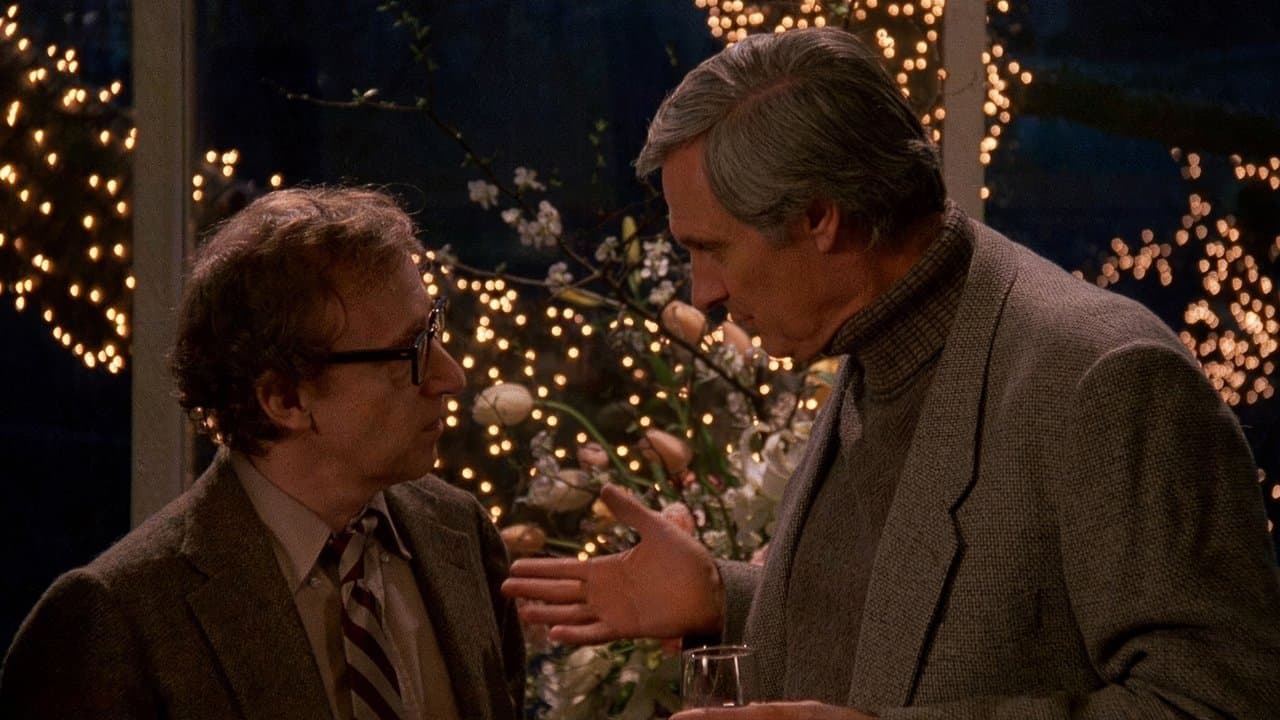
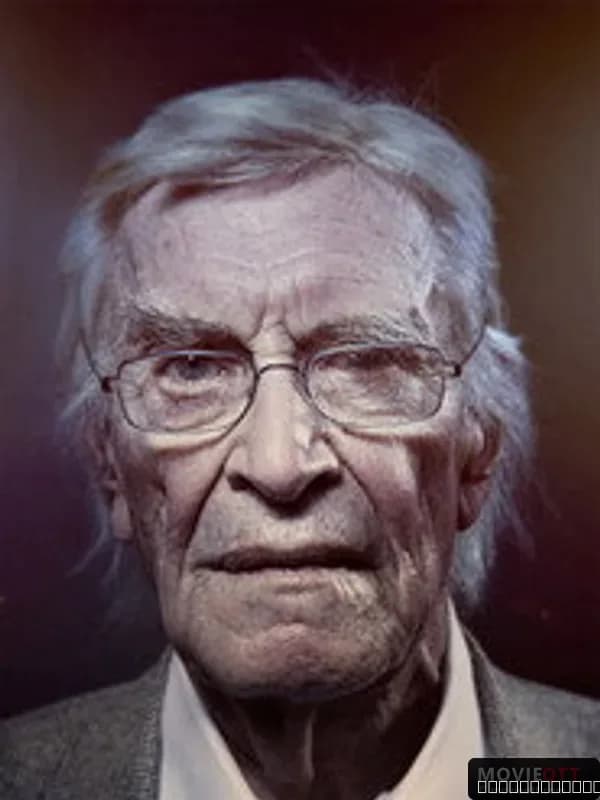
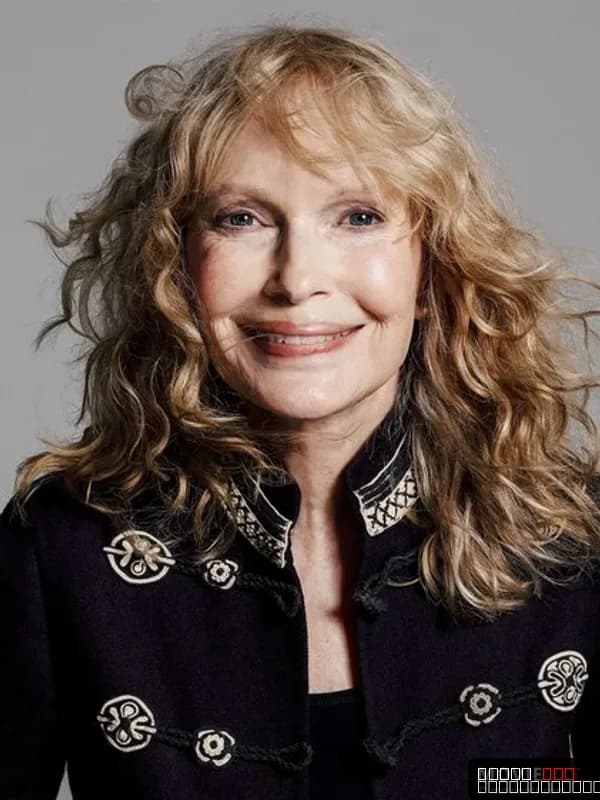
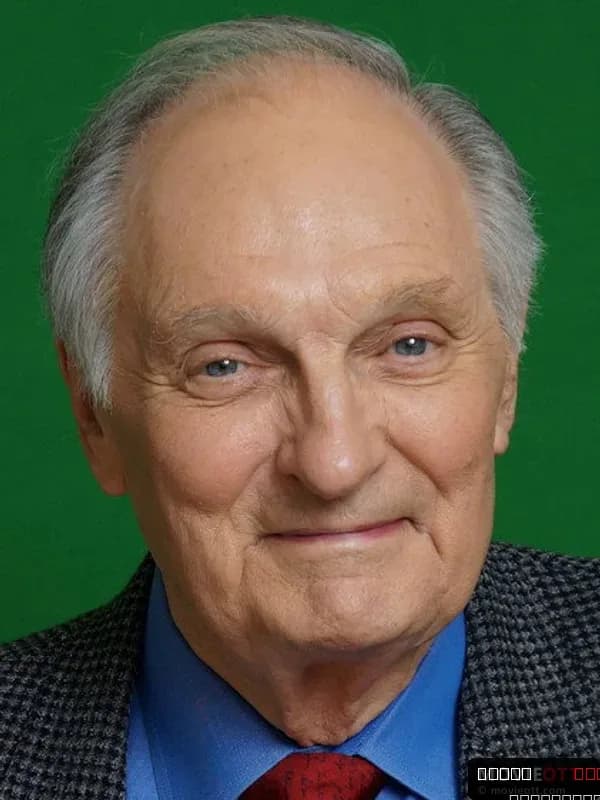
Woody Allen wrote and directed this film at a particular peak in his career—1989 was a moment when he could assemble an ensemble cast of genuine A-list talent and still maintain complete creative control. Martin Landau anchors the film as the ophthalmologist, and his performance carries the weight of the film's existential crisis with a kind of quiet, mounting dread. Alongside him, you've got Mia Farrow, Anjelica Huston, Alan Alda, Sam Waterston, and Jerry Orbach—each bringing the kind of craft and specificity that signals a director working with actors at the height of their powers. Alan Alda, in particular, is so perfectly calibrated as the insufferable television personality that his smugness becomes almost unbearable to watch, which is exactly the point. The film was produced by Orion Pictures under the Jack Rollins & Charles H. Joffe Productions banner, the same team that had backed Allen through much of the 1980s. At 104 minutes, it's tight enough to maintain momentum while giving each storyline room to breathe. The film earned solid critical recognition and remains a touchstone for Allen's work—the kind of film that cinephiles return to again and again, not just for entertainment but for the philosophical questions it refuses to answer.
What Makes Crimes and Misdemeanors Stand Out
What's striking about this film is how it refuses the comfort of moral clarity. Landau's character doesn't suffer some neat karmic punishment. He doesn't get caught. He doesn't have a redemptive breakdown. Instead, he adapts. He learns to live with it. That's genuinely unsettling—not because it's shocking in a sensational way, but because it feels true to how human beings actually function when confronted with their own capacity for wrongdoing. The documentary filmmaker's story, meanwhile, offers a kind of comedic mirror to this darkness. He's earnest, well-meaning, and constantly thwarted by circumstance and his own awkwardness. He doesn't commit murder; he just can't catch a break. The parallel structure becomes Allen's way of asking whether morality matters if the universe is fundamentally indifferent to our choices. I keep coming back to a scene where the ophthalmologist attends a family dinner and finds himself unable to engage with the spiritual conversation around the table—he's present but absent, alive but hollow. That's the film's real horror, not the crime itself but the psychological aftermath and the realization that there might not be an aftermath at all. The performances anchor this philosophical territory without ever becoming preachy or didactic. Landau gives you a man slowly recognizing his own capacity for moral compromise. Alda makes you hate his character so thoroughly that you understand why the filmmaker's documentary becomes an act of creative sabotage. Farrow, Huston, and the rest of the ensemble fill out a world that feels lived-in and specific.
Where to Stream Crimes and Misdemeanors Online
Crimes and Misdemeanors is available on major OTT services, and you can check the Where to Watch widget at the top of this page to see exactly which platforms currently have it in your region. Streaming rights shift regularly, so Movie OTT tracks availability across services to help you find where it's streaming right now without having to hunt through five different apps. If you're planning a Woody Allen retrospective or just looking for a film that'll stick with you long after the credits roll, it's worth confirming availability on your preferred platform before settling in. The good news is that a film this essential tends to cycle through major services fairly regularly, so even if it's not available this week, it's likely to return soon.
Frequently asked questions
Q: Who directed Crimes and Misdemeanors?
Woody Allen wrote and directed the film. It's one of his most philosophically ambitious works, blending comedy and existential drama in a way that's become his signature style.
Q: Is Crimes and Misdemeanors based on a true story?
No, it's an original screenplay written by Woody Allen. The stories are fictional, though they explore universal themes about morality, desire, and consequence that feel drawn from real human experience.
Q: What's the runtime of Crimes and Misdemeanors?
The film runs 104 minutes, which gives both narrative threads enough space to develop without becoming bloated or self-indulgent.
Q: What are the main genres of Crimes and Misdemeanors?
It's officially categorized as a comedy, drama, and crime film—though the blend of tones makes it harder to pin down than a simple genre label suggests. It's funny and dark and philosophically serious all at once.
Q: Why is Crimes and Misdemeanors considered essential viewing?
The film's exploration of morality without judgment, combined with exceptional performances and Allen's sharp direction, makes it a landmark work in 1980s American cinema. It's the kind of film that rewards repeated viewings.
Final Thoughts on Crimes and Misdemeanors
This is top-tier Allen. The writing, acting, and direction work in concert to create something that doesn't feel dated nearly 35 years later—if anything, the questions it asks about conscience and complicity feel more urgent now. It's essential viewing for anyone serious about cinema, and worth owning for repeat watches. Don't expect easy answers or tidy resolutions. That's not what this film offers. What it does offer is a mirror held up to the gap between who we want to be and who we actually are—and the unsettling possibility that the universe might not care about the difference.