


What Criminal Law Is About
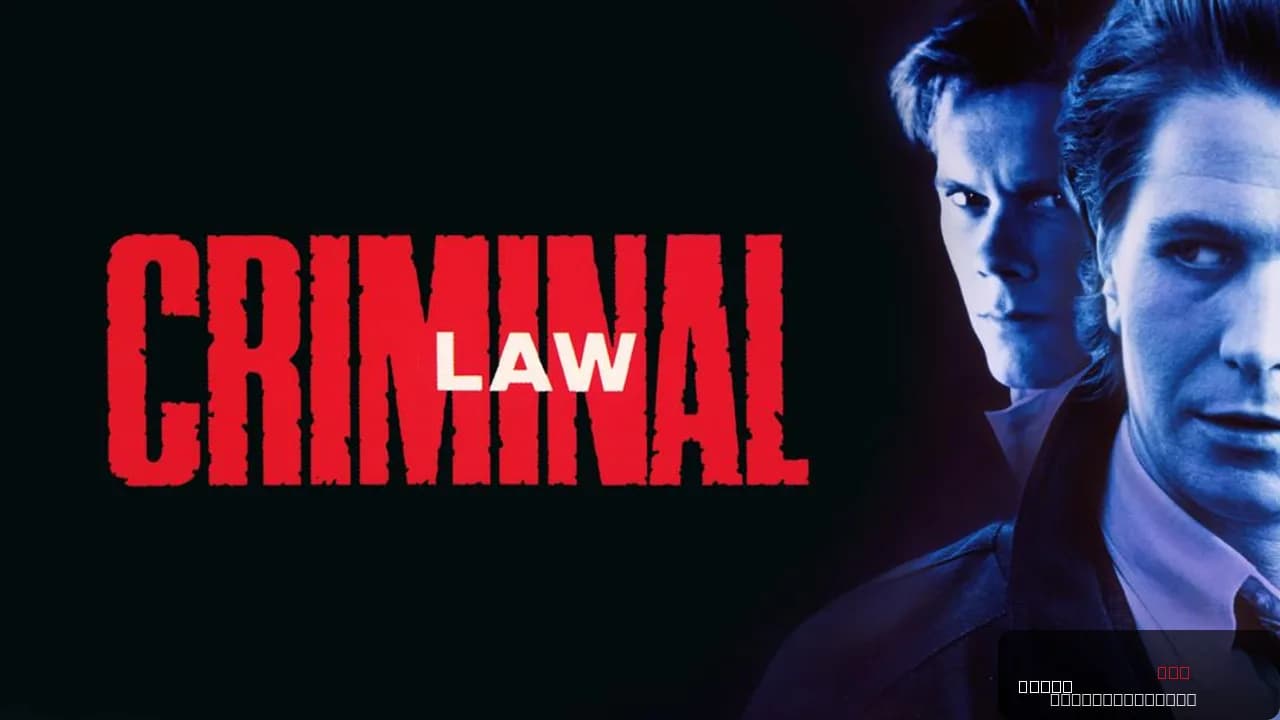
Criminal Law follows Ben Chase, a sharp Boston defense attorney played by Gary Oldman, who pulls off a stunning courtroom victory by dismantling the prosecution's case against Martin Thiel (Kevin Bacon), a man accused of a sexually motivated murder. The win should feel like a triumph — the kind of moment that defines a lawyer's career. But what unfolds instead is a descent into moral quicksand. Chase begins to suspect, then becomes certain, that his client is actually guilty. Worse still, Thiel hasn't finished. He's planning another murder, and Chase finds himself trapped between his professional obligations and his conscience, knowing that the law he helped manipulate might now enable a killer to strike again.
Behind the Making of Criminal Law
Director Martin Campbell, who'd later find mainstream success with GoldenEye and Casino Royale, helmed this Canadian production with a lean, focused approach. The film was written by Mark Kasdan and released in 1989 to a modest box office return of approximately $9.97 million — hardly a blockbuster, but respectable for a crime thriller of that era. Gary Oldman was still building his reputation at the time; this role sits somewhere between his early character work and the transformative performances that would define the 1990s. Kevin Bacon, already known for Footloose and Tremors, brought a different kind of menace to the screen — less theatrical than Oldman, more coiled and unpredictable.
The film received an R rating and runs 109 minutes, a runtime that allows Campbell to develop tension without padding. Jerry Goldsmith composed the score, and cinematographer Philip Meheux shot it with the kind of cool, shadowy Boston aesthetic that neo-noir demands. The production earned one award during its festival run, though it didn't generate significant awards-season buzz. What's striking is that despite its limited commercial footprint, Criminal Law managed to assemble genuine talent both in front of and behind the camera — the kind of mid-budget crime drama that simply doesn't get greenlit anymore.
Why Criminal Law Resonates Despite Mixed Reviews
Critical reception was decidedly cool. Rotten Tomatoes pegged it at 30%, and IMDb users settled on 5.7 out of 10, suggesting the film doesn't quite land for most viewers. Yet there's something worth excavating beneath those scores. The central premise — a lawyer's moral crisis — is genuinely compelling, and Oldman's performance carries an intensity that suggests he understood the character's psychological unraveling. What doesn't always work is the execution. The pacing can feel sluggish in the middle act, and the thriller mechanics sometimes strain credibility. But here's the thing: the film doesn't shy away from the uglier implications of its own plot. Chase isn't a hero. He's complicit. He won a case using tactics that, in hindsight, freed a predator. That's not comfortable to watch, and maybe that's precisely why audiences and critics didn't embrace it.
Kevin Bacon's performance is particularly worth noting — he plays Thiel with a kind of charming menace that makes the character's danger feel plausible rather than cartoonish. The cat-and-mouse dynamic between Oldman and Bacon carries the film through its slower stretches. Tess Harper and Karen Young round out the supporting cast, adding texture to the Boston legal world Campbell constructs. What I keep coming back to is that the film's failure might actually be its refusal to give viewers an easy catharsis. There's no clean resolution, no moment where the system corrects itself. That's bleak, and it's probably why Criminal Law never found its audience.
Where to Stream Criminal Law Online
If you're interested in tracking down Criminal Law, you can currently find it on Prime Video. The film remains available through that platform, making it accessible for viewers with an Amazon subscription. Since streaming availability shifts regularly, Movie OTT maintains up-to-date information on where Criminal Law and similar titles are currently streaming. The "Where to Watch" widget at the top of this page will show you the most current availability across all major platforms, so you can confirm before you start watching.
Frequently Asked Questions
Q: Who directed Criminal Law?
Martin Campbell directed the film. Campbell would go on to helm major studio productions like GoldenEye and Casino Royale, but Criminal Law showcases his earlier work in the crime-thriller space.
Q: What year was Criminal Law released?
Criminal Law came out in 1989. It was a Canadian production that arrived during a particularly fertile period for mid-budget thrillers in North American cinema.
Q: Is Criminal Law based on a true story?
No, Criminal Law is a fictional screenplay written by Mark Kasdan. While the legal and moral dilemmas it explores reflect real ethical tensions in the justice system, the specific plot and characters are original creations.
Q: How long is Criminal Law?
The film runs 109 minutes, giving Campbell enough time to develop the psychological tension between the attorney and his client without unnecessary padding.
Q: Who stars in Criminal Law?
Gary Oldman plays defense attorney Ben Chase, and Kevin Bacon plays the accused murderer Martin Thiel. The supporting cast includes Tess Harper, Karen Young, Joe Don Baker, and Sean McCann.
Final Thoughts on Criminal Law
Criminal Law isn't a film that's aged into cult status or critical reappraisal — it remains a flawed, uneven thriller that doesn't quite justify its own ambitions. That said, it's worth watching if you appreciate character-driven crime stories that refuse to let their protagonists off the hook. Oldman's performance alone makes it worth ninety minutes of your time, and the central moral question — what does a lawyer owe to the system versus the public good? — still stings. It's not essential viewing, but it's a solid entry point for anyone exploring Campbell's early work or looking for a darker take on courtroom drama.