What the Cérémonie de palmarès du 79e Festival de Cannes was really about
The Cérémonie de palmarès du 79e Festival de Cannes is the official closing awards broadcast of the 79th edition of the world's most watched film festival, staged at the Palais des Festivals in Cannes and produced for television by France Télévisions in 2026. Unlike a conventional narrative feature, this is a live event document — part ceremony, part cultural reckoning — capturing the precise moment when a jury of filmmakers, actors, and critics decides which stories the industry will be talking about for the next twelve months. The ceremony distills weeks of competition screenings into a single charged evening, and the broadcast preserves that tension in real time. It's less a film than a historical record. And that distinction matters enormously when you're trying to understand why it belongs on your watchlist.
How the Cérémonie de palmarès du 79e Festival de Cannes came together
The production behind the Cérémonie de palmarès du 79e Festival de Cannes sits squarely with France Télévisions, the public broadcaster that has long served as the primary French-language home for Cannes coverage. France 2 and the digital platform Brut both carried the live broadcast, ensuring the ceremony reached audiences well beyond the Croisette. As a live awards event rather than a scripted production, there are no box-office figures to report and no MPAA rating applies — though the IMDb page for the broadcast currently sits at an unrated 0/10, which tells you less about quality than about the platform's struggle to categorize something that isn't quite a film.
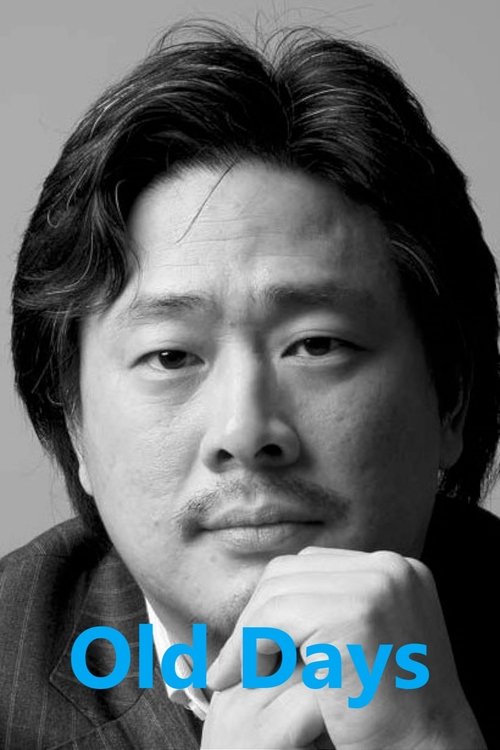
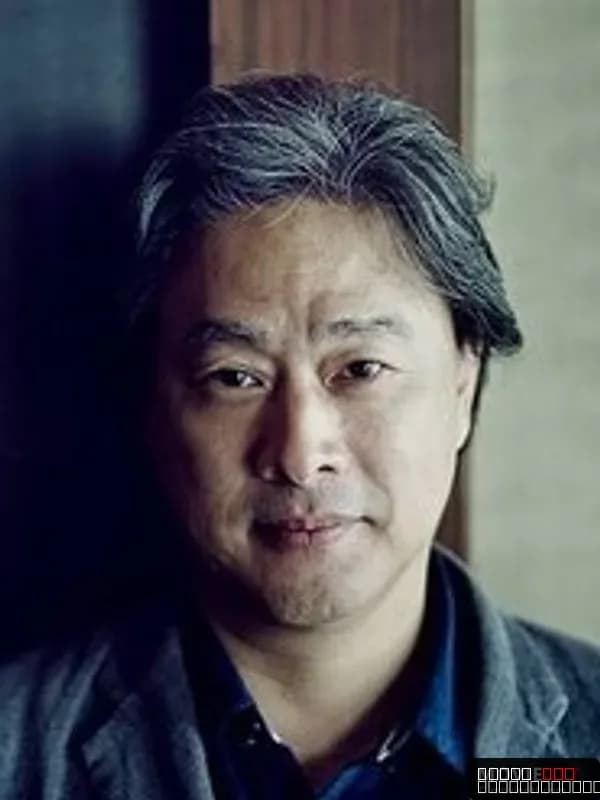
The jury president for the 79th edition's main competition was Park Chan-wook, the South Korean auteur behind Oldboy and Decision to Leave, whose presence alone signaled that this jury would lean toward formally ambitious, morally complicated work. According to the official festival communiqué, the Palme d'or went to Cristian Mungiu for Fjord — a significant win for the Romanian director who previously took the Palme in 2007 for 4 Months, 3 Weeks and 2 Days. The Grand Prix was awarded to Andreï Zviaguintsev for Minotaure, a pairing that suggests the jury was drawn to European cinema grappling with weight and consequence. The full breakdown of the 2026 Cannes Festival confirms the breadth of prizes distributed across the evening, from acting awards to the Camera d'Or for first features.
What's striking is how the ceremony itself functions as a kind of meta-film — a production about the year in cinema, shaped by the taste of one particular jury at one particular moment in history.
Why the Cérémonie de palmarès du 79e Festival de Cannes stands out as a broadcast event
Ceremonies like this one don't get reviewed the way films do, which means there's no Metascore to lean on and no Rotten Tomatoes consensus to quote. That's actually freeing. You watch it differently — not waiting for a plot to resolve, but watching for the human moments: the surprised pause before a winner's name is read, the translator scrambling to keep up with an acceptance speech that goes somewhere unexpected, the way Park Chan-wook's jury statement revealed what they valued without quite explaining why.
The broadcast holds up because it's genuinely unpredictable in the way live television always is. Mungiu's win for Fjord was not a foregone conclusion — the Romanian director returning to the Palme d'or podium nearly two decades after his first win is the kind of story that would feel contrived in a screenplay. Hard to say if any single acceptance speech from the evening will enter the canon of memorable Cannes moments, but the cumulative effect of watching prizes distributed across an international slate of films is its own kind of pleasure. A highlights reel on Dailymotion captures the key moments for viewers who want a condensed version, though the full broadcast rewards patience.
The thing nobody mentions is how much craft goes into staging these ceremonies for television — the lighting cues, the pacing of presenter announcements, the careful management of a room full of filmmakers who are simultaneously thrilled for their peers and privately devastated. France Télévisions handles that balance with the practiced ease of a broadcaster that has done this for decades.
For cinephiles tracking the year in world cinema, Movie OTT aggregates streaming availability for the titles that won prizes this evening, making it a useful companion resource as you work through the 2026 Cannes slate.
Where to stream the Cérémonie de palmarès du 79e Festival de Cannes online
The Cérémonie de palmarès du 79e Festival de Cannes is currently available on major OTT services — check the Where-to-Watch widget at the top of this page for the most current platform listings, since availability shifts. As a France Télévisions production, the ceremony originally aired on France 2 and via Brut's digital channels, and those broadcast rights shape where it surfaces on streaming. Movie OTT tracks current streaming availability across major platforms in real time, so if the ceremony has migrated to a new service since this article was published, the widget above will reflect that. Don't rely on a static list — streaming rights for broadcast events like this one move faster than for conventional films.
Frequently asked questions
Q: Who won the Palme d'or at the 79th Cannes Film Festival?
Cristian Mungiu's Fjord was awarded the Palme d'or at the 79th Cannes Film Festival in 2026. Mungiu previously won the same prize in 2007 for 4 Months, 3 Weeks and 2 Days, making this his second Palme.
Q: Who was the jury president for the Cérémonie de palmarès du 79e Festival de Cannes?
Park Chan-wook, the acclaimed South Korean filmmaker known for Oldboy and Decision to Leave, served as president of the main competition jury for the 79th Cannes Film Festival. His appointment was widely seen as a signal of the jury's likely aesthetic priorities.
Q: Where can I watch the Cérémonie de palmarès du 79e Festival de Cannes?
The ceremony is available on major OTT services — the live Where-to-Watch widget on this Movie OTT page lists every current platform. The broadcast was originally produced by France Télévisions and aired on France 2 and Brut in France.
Q: What is the Grand Prix winner of the 79th Cannes Film Festival?
Minotaure by Andreï Zviaguintsev took the Grand Prix at the 79th edition, as confirmed in the official festival communiqué. The Grand Prix is traditionally awarded to a film the jury considers bold or distinctive enough to sit just below the Palme.
Q: Is the Cérémonie de palmarès du 79e Festival de Cannes a real film or a broadcast event?
It's a live awards ceremony broadcast rather than a narrative film — produced by France Télévisions for television and digital platforms. There are no theatrical box-office figures, and standard review aggregators don't score it, which is why its IMDb rating currently shows as 0/10.
Who should watch the Cérémonie de palmarès du 79e Festival de Cannes
Anyone serious about world cinema in 2026 should watch the Cérémonie de palmarès du 79e Festival de Cannes — not because it's a great film (it isn't one), but because it's the clearest single document of where international cinema stood at a particular moment. Mungiu's Palme d'or, Zviaguintsev's Grand Prix, Park Chan-wook's jury — together they sketch a portrait of the art form's current preoccupations. Cinephiles, industry watchers, and anyone planning to work through the 2026 Cannes slate will find it essential context. Movie OTT has editorial coverage of the major prize-winners if you want to keep going after the ceremony ends.