The Story of Crossfire
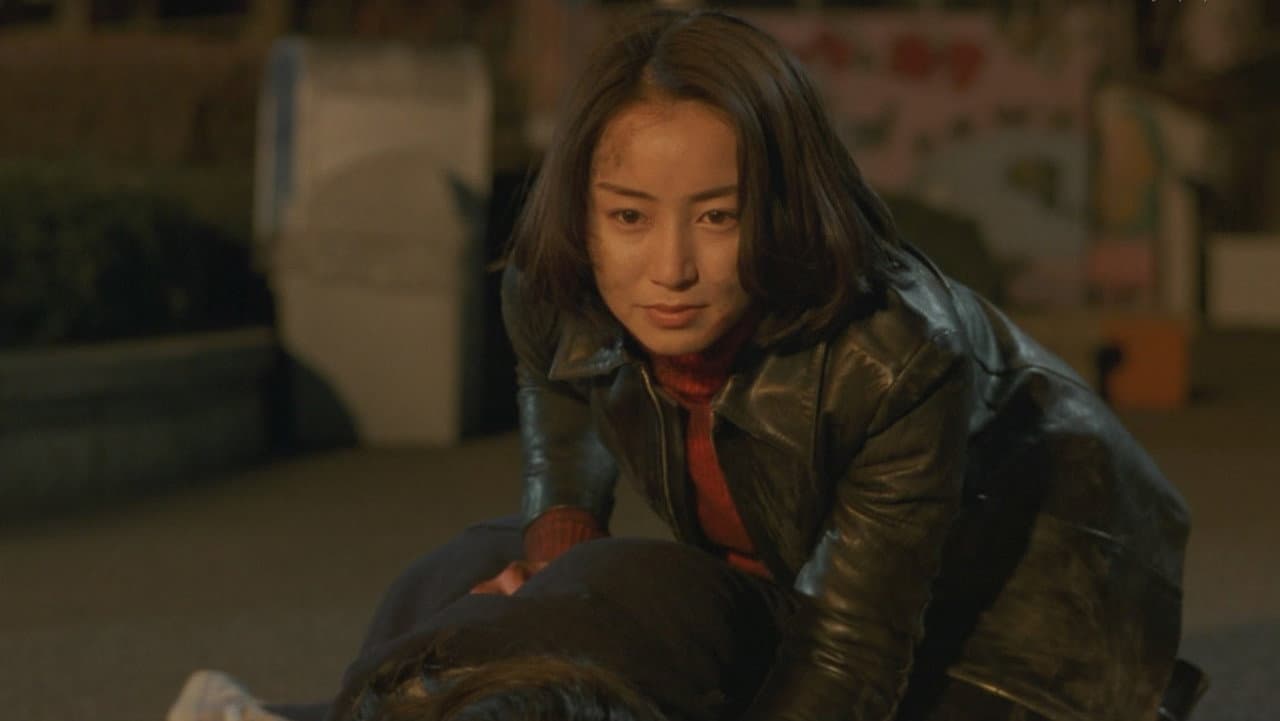
Crossfire tells the story of Junko, a woman born with an extraordinary and terrifying gift: pyrokinesis, the ability to incinerate anyone and anything simply through force of will. She works alongside Kazuki, a young man she's secretly in love with—a one-sided affection that she's kept hidden, nursing it quietly in the background of their shared professional life. When Kazuki's sister is killed, suspicion falls on a boy named Masaki, but the police investigation stalls. The system fails. No arrest comes. Frustrated by institutional indifference and driven by her feelings for Kazuki, Junko makes a choice: she reveals her supernatural ability to him and takes justice into her own hands. What unfolds is a tense exploration of power, desperation, and the blurred line between righteousness and revenge—all filtered through the lens of a woman who's spent her life hiding what she really is.
Production, Cast, and the Making of Crossfire
Crossfire emerged from Toho Pictures and TBS in 2000, a period when Japanese cinema was increasingly experimenting with genre hybrids that mixed horror, action, and psychological drama. The film runs 115 minutes, giving it enough room to develop its premise without padding—a deliberate pacing choice that lets the character dynamics breathe. The production brought together talent from both the studio system and independent circles; while the cast didn't include A-list international names, the ensemble was chosen specifically for their ability to convey the emotional weight beneath the spectacle. At the time of release, the film received moderate attention in domestic Japanese markets and found a second life through international festival circuits and home video distribution. The IMDb rating of 6.132/10 reflects a film that critics and audiences recognized as ambitious but uneven—the kind of movie that doesn't always land every swing but commits fully to its central conceit. What's striking is how the film doesn't apologize for its melodramatic core; it leans into the soap-opera-like emotional setup (a woman in love, a murder, a cover-up) and uses it as the engine for its horror and action sequences.
What Makes Crossfire Stand Out in the Thriller Landscape
The real power of Crossfire lies not in its special effects—though the pyrokinesis sequences are competently rendered for a 2000 production—but in the moral murkiness it refuses to resolve. Junko isn't a superhero; she's a woman pushed to the edge by a system that doesn't work, and her solution is both understandable and horrifying. That ambiguity is harder to pull off than it sounds. Most thrillers want you to root for their protagonist without question, but this film asks you to sit with the discomfort of sympathizing with someone committing murder, no matter how justified she feels. The performances anchor this tension—there's a weariness to Junko's character, a sense that she's been carrying this secret burden her whole life, and when she finally unleashes it, there's both liberation and tragedy in that moment. The screenplay (and the direction) understands that revenge stories aren't really about justice; they're about the person doing the avenging, and what they become in the process. I keep coming back to how the film treats Kazuki—he's not a hero who helps her; he's almost a bystander who becomes complicit just by knowing the truth. That's the kind of character work that separates a decent thriller from one that actually lingers.
Where to Stream Crossfire Online
Crossfire is currently available on major OTT services, and Movie OTT tracks real-time streaming availability across all major platforms so you don't have to hunt through five different apps. The "Where to Watch" widget at the top of this page shows you exactly which service has it in your region right now—availability shifts, so checking there first saves time. Movie OTT's streaming database covers Netflix, Prime Video, Hotstar, and other major platforms, making it easy to add Crossfire to your watchlist the moment it lands somewhere you subscribe to. The film's 115-minute runtime makes it a solid evening watch, and its blend of thriller and horror elements means it works equally well as a solo viewing or as part of a double feature with other international genre films.
Frequently Asked Questions
Q: Is Crossfire based on a true story?
No, Crossfire is a fictional thriller centered on the supernatural ability of pyrokinesis. While the plot involves a murder investigation and questions about justice, the story itself is an original creation rather than an adaptation of real events.
Q: Who directed Crossfire?
Crossfire was produced by Toho Pictures and TBS in 2000. The film was created by a Japanese production team working within the studio system, blending action, horror, and psychological thriller elements.
Q: What is pyrokinesis, and how central is it to the plot?
Pyrokinesis is the ability to incinerate objects and people through mental power alone. In Crossfire, it's not just a gimmick—it's the core of Junko's character arc and the mechanism through which she acts on her desire for revenge when the legal system fails her.
Q: How long is Crossfire?
The film runs 115 minutes, giving it enough runtime to develop its characters and emotional stakes without unnecessary padding.
Q: What genres does Crossfire blend together?
Crossfire combines thriller, horror, and action elements. It's not a pure action film or a pure horror film—instead, it weaves psychological tension, supernatural horror, and violent action sequences into a narrative about love, justice, and the cost of taking the law into your own hands.
Final Thoughts on Crossfire
Crossfire isn't a perfect film, and it doesn't always stick the landing on every thematic beat it's reaching for. But it's the kind of movie that rewards viewers willing to sit with moral ambiguity and uncomfortable questions about justice. If you're drawn to international genre cinema that prioritizes character and consequence over spectacle, or if you're looking for something that treats its supernatural premise as a lens for examining human desperation rather than just an excuse for set pieces, this one's worth your time. It's a film that trusts its audience to think.