Crossings: Kaleh Ziyarat
TL;DR
Director: Rouzbeh Akhbari | Runtime: 67 minutes | Premiered: July 7, 2026 at FIDMarseille | Format: Documentary essay film | Where to watch: Check Movie OTT's streaming tracker for current platform availability in your region
What You're Actually Watching
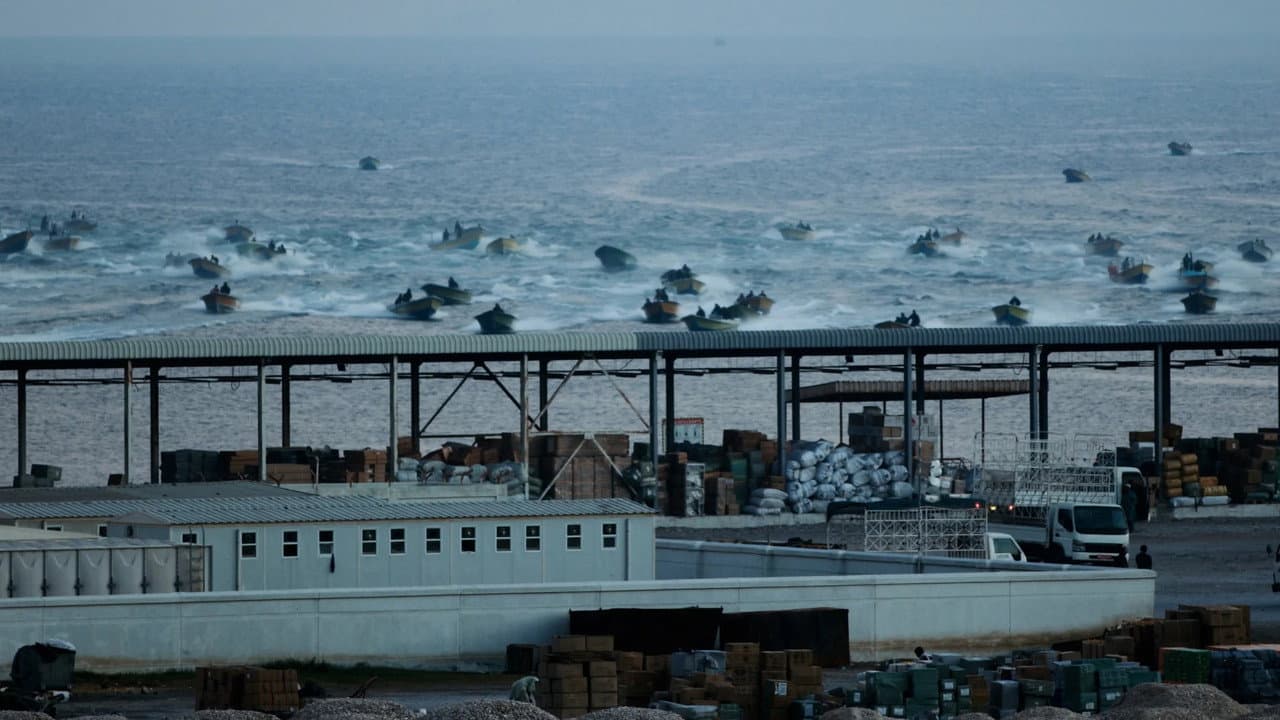
Crossings: Kaleh Ziyarat plants itself in one of the world's most geopolitically loaded corridors—the stretch between the Caspian Sea and the Strait of Hormuz—and refuses to look away. But here's the thing: it's not a news doc. There's no narrator explaining trade routes or imperial history. Instead, Rouzbeh Akhbari builds the film from two methods working in tandem: archival footage and photographs that get visually interrogated (zoomed, repositioned, almost questioned), plus direct observation of the people keeping informal economies moving.
The result feels closer to an essay film than a conventional documentary. Images accumulate—cargo, coastlines, faces—and you're trusted to feel the weight of what centuries of imperial ambition have left behind. At 67 minutes, it doesn't overstay its welcome. Lean. Purposeful.
What strikes me is how little the film relies on crisis-journalism conventions. No talking heads contextualizing geopolitics for a Western audience. No dramatic score swelling under nighttime boat footage. Akhbari seems genuinely uninterested in explaining the Strait of Hormuz to someone who doesn't already feel its gravity—and that refusal to condescend is, paradoxically, what makes it accessible to viewers willing to meet it halfway.
How This Film Came Together
The film is a four-country co-production: Canada, Portugal, Oman, and Iran. That's itself a kind of statement about the porous, cross-border nature of what you're watching. According to Film-documentaire.fr, Akhbari is credited as both writer and director, and the project's scope reflects years of sustained engagement with the region—not a quick observational pass.
Akhbari's earlier work, including research into material culture and trade (documented through Mercer Union's 2026 commission), sits comfortably between visual art and documentary cinema. That explains why Crossings feels more like an installation you inhabit than a report you receive. Hard to say if that's intentional or just the byproduct of international co-production logistics, but either way it gives the film an edge that more cleanly financed documentaries sometimes lack.
The film premiered on July 7, 2026, at FIDMarseille—the French festival known for championing formally adventurous documentary and hybrid cinema. That's a meaningful home. FIDMarseille has historically been a launchpad for work that doesn't fit neatly into broadcast documentary conventions, and Akhbari's film is exactly that kind of project.
Why This Matters If You Care About Essay Documentaries
If you've appreciated films like Rithy Panh's archival work or Johan van der Keuken's method-driven documentaries, you'll recognize Akhbari's approach here. The archival sequences are where the film earns its most distinctive moments. One particular sequence—tracing the movement of goods across a border that exists more as bureaucratic fiction than physical reality—lingers long after the film ends.
What's distinctive is how the film treats geography as an argument. Informal economies become human stories worth sustained attention. Archives aren't treated as neutral records but as contested sites of memory. There's intellectual rigor here, but it doesn't announce itself.
I keep thinking about one detail: the film doesn't explain what you're seeing. It trusts you to sit with ambiguity. That's rare in documentary work aimed at festival audiences, and it's exactly what makes this worth seeking out.
Where to Watch Right Now
Crossings: Kaleh Ziyarat is available on major OTT services. Check the where-to-watch widget on Movie OTT for a real-time breakdown of which platforms are carrying the film in your region—availability shifts quickly for festival documentaries entering their streaming window.
Given the film's festival pedigree and multinational production footprint, it's the kind of title that tends to find a home on platforms with strong documentary libraries (think MUBI, Criterion Channel, or specialized festival platforms). If you're outside a region where it's currently licensed, check back—distribution windows for FIDMarseille premieres often expand within six to twelve months of the festival debut.
Questions People Ask
Who directed this? Rouzbeh Akhbari, whose practice spans documentary cinema and visual art. Co-production: Canada, Portugal, Oman, Iran.
How long is it? 67 minutes. Not sprawling. Not a multi-chapter investigation. Focused and deliberately paced.
Where did it premiere? FIDMarseille, July 7, 2026. The festival is known for platforming formally unconventional documentary work.
Is this a true story? Yes. The film is grounded in real trade networks, real communities, and archival materials from the region between the Caspian Sea and the Strait of Hormuz. It observes and excavates. Doesn't dramatize.
Should I watch it? Only if you come to documentary cinema willing to sit with ambiguity and trust visual information over explanation. If you need narrative momentum and clear resolution, this'll frustrate you. But if you're drawn to work that treats geography as argument and sees informal economies as worth sustained attention, this is essential. Check Movie OTT's documentary section to see if it's available in your region right now.
Who Should Actually Watch This
Here's the honest take: Crossings: Kaleh Ziyarat won't be for everyone. That's fine.
You should watch it if you've followed FIDMarseille's output or appreciated essay-mode documentaries in recent years. If you came to documentary cinema through filmmakers like Lucien Castaing-Taylor or Laura Poitras—work that trusts the viewer to construct meaning—this'll feel familiar. It won't feel easy, but it'll feel necessary.
You probably shouldn't watch it if you're looking for clear answers about trade policy or geopolitics. The film doesn't provide those. What it does provide is presence—a sustained attention to a region and its people that most documentaries skip over in favor of narrative convenience.
The thing nobody mentions about festival documentaries like this: they improve on rewatching. Specific details emerge. Connections click. The archive sequences reveal new patterns. If you find yourself thinking about it days later, that's the sign you should watch it again.