
The story of Cry Blood Apache
Cry Blood Apache tells the story of a brutal encounter between greed and survival in the 19th century American frontier. When a ruthless gang of cowboys stumbles upon gold in a small Apache camp, they don't hesitate—they slaughter the inhabitants to keep the treasure for themselves. But not everyone dies that day. A female prisoner held by the camp and a young Apache brave both escape the massacre, and they're determined to track down the killers and make them pay. What unfolds is a tense, violent hunt across hostile terrain where the hunters become the hunted, and the line between justice and vengeance blurs with every mile.
The film, directed by Jack Starrett, doesn't shy away from the brutality of its premise. This isn't a sanitized Western where good guys wear white hats and bad guys wear black ones. Instead, Cry Blood Apache operates in murkier moral territory, where survival itself is the only code that matters. The 80-minute runtime keeps the narrative lean and propulsive—there's no time for lengthy exposition or moral hand-wringing. You're thrown into the violence and left to find your own footing.
Behind the making of Cry Blood Apache
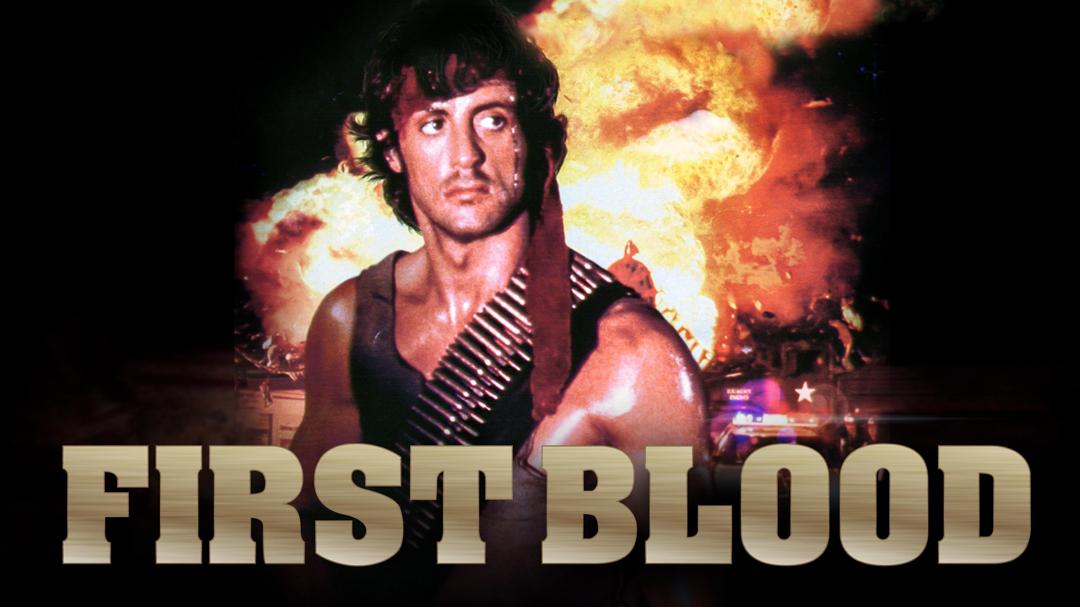
Cry Blood Apache emerged in 1970, a year when the Western genre was already undergoing significant transformation. The traditional shoot-'em-up formula was giving way to grittier, more revisionist takes on frontier mythology, and this film arrived right in the middle of that cultural shift. Jack Starrett, who both directed and appeared in the film, brought a no-nonsense sensibility to the project. Starrett was a character actor and director who understood how to build tension on a modest budget—he'd go on to direct cult classics like "Badlands" and "First Blood," so his pedigree in lean, kinetic filmmaking was already established.
The cast included Jody McCrea (son of the legendary Joel McCrea), Marie Gahva, Dan Kemp, and Robert Tessier, none of whom were household names but who brought authenticity to their roles. McCrea, in particular, carried the weight of his father's legacy while carving out his own path in B-movies and television. The film was shot across locations in both the United States and Turkey, an unusual choice that speaks to the international co-production nature of low-budget Westerns in that era. The MPAA rated it R for its violence and language—a significant marker for 1970, when the rating system was still relatively new and such designations meant the filmmakers weren't pulling punches.
Box office returns were modest, as they often were for independent Westerns of this stripe. The film didn't capture mainstream attention, and it's largely vanished from popular memory—until now, when streaming platforms like Movie OTT help surface films that might otherwise remain buried in the archives. Movie OTT tracks where titles like this are currently available, making it easier for curious viewers to find overlooked gems.
What makes Cry Blood Apache stand out
What's striking about Cry Blood Apache is how it refuses to romanticize its setting. The Apache aren't mystical figures or noble savages—they're people with a camp, a gold mine, and a future that gets stolen from them in an instant. The female prisoner character is particularly interesting; she's not a damsel waiting for rescue, but an active participant in the revenge plot, driven by her own trauma and rage. That dynamic—two outsiders bound by shared loss—gives the film a human core that elevates it beyond simple exploitation.
The performances, while not polished in a mainstream sense, carry a rough authenticity that works in the film's favor. There's no scenery-chewing or theatrical grandstanding here. Everyone seems to understand they're in a story about survival, not about impressing critics. Starrett himself, in a dual role as both director and actor, commands attention whenever he's on screen—he's got that weathered, dangerous quality that made character actors invaluable in 1970s cinema.
I keep coming back to the film's willingness to sit in discomfort. It doesn't offer easy answers about who deserves what, or whether the revenge the protagonists seek will actually heal anything. The snake imagery that threads through the narrative—cowboys as predators, victims striking back—operates on a level that's more primal than political. Some critics found the film's IMDb rating of 3.4 out of 10 justified by its rough edges and exploitation elements, but that same roughness is precisely what gives it character. It's a film that knows what it is and doesn't apologize.
How to watch Cry Blood Apache online
Cry Blood Apache is currently available to stream on Prime Video, making it accessible to millions of subscribers who might be curious about this forgotten slice of 1970s cinema. The film's 80-minute runtime means you can fit it into an evening without committing to a sprawling narrative—it gets in, tells its story, and gets out. If you're using Movie OTT's streaming aggregator to track where titles are available, you'll find Cry Blood Apache listed there alongside the widget that shows all current platforms. Prime Video's library includes a surprising number of obscure Westerns and B-movies, and this one sits comfortably among them.
Streaming has fundamentally changed how we discover older, less celebrated films. What once required hunting through video rental stores or catching late-night cable broadcasts is now just a search away. That accessibility matters, especially for films like this one that deserve a second look from viewers willing to engage with cinema on its own terms rather than expecting it to meet contemporary standards.
Frequently asked questions
Q: Who directed Cry Blood Apache?
Jack Starrett directed the film and also appeared in it. Starrett was a character actor and director who went on to helm other cult films like "First Blood" and "Badlands," bringing his no-nonsense style to this 1970 Western.
Q: What's the runtime of Cry Blood Apache?
The film runs 80 minutes, a lean runtime that keeps the revenge narrative tight and propulsive without unnecessary detours or subplots.
Q: Where can I watch Cry Blood Apache?
Cry Blood Apache is currently available on Prime Video. You can check Movie OTT for the most up-to-date streaming availability and platform listings.
Q: Is Cry Blood Apache based on a true story?
No, the film is a fictional revenge Western. While it touches on real historical tensions between settlers and Apache nations, the specific plot about gold discovery and the revenge quest is original to the screenplay.
Q: What's the MPAA rating for Cry Blood Apache?
The film is rated R for violence and language, which was a significant designation in 1970 when the rating system was still relatively new and indicated the filmmakers weren't holding back on brutal content.
Final thoughts on Cry Blood Apache
Cry Blood Apache isn't a masterpiece, and it doesn't pretend to be. What it is—a lean, violent, morally ambiguous revenge Western with genuine stakes and authentic performances—might be enough for viewers tired of polished mediocrity. The film trusts its audience to sit with discomfort, to watch two outsiders pursue justice in a world that offers no guarantees. In an era of streaming when everything competes for attention, sometimes the overlooked films are the ones worth your time. If you've got 80 minutes and a taste for frontier brutality without the Hollywood gloss, Cry Blood Apache deserves a look.