Dakhul (2026): A Jealousy Spell That Works Better Than It Should
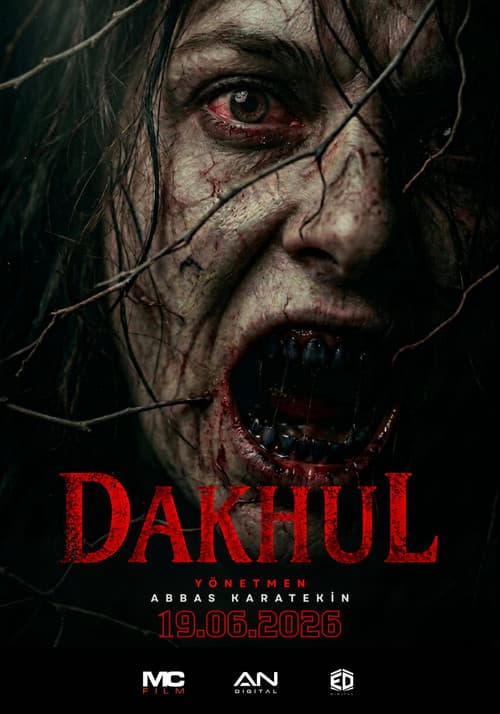
Dakhul is a Turkish-Zimbabwean horror-thriller where a neighbor's jealousy spell unravels a woman's entire life. It came out in 2026. And honestly, that premise — which sounds like folklore-lite on the surface — lands harder than you'd expect.
The film follows Aslı, whose relationships, home, and sense of self begin curdling into something unrecognizable after she's targeted by supernatural envy. What strikes me about this setup is how grounded the threat actually is. Not a demon. Not a haunted house. Not a masked killer. Just someone close enough to watch your life and resent it enough to act on it. That's unsettling in ways a lot of 2026's horror output simply isn't.
The setup: Why a jealousy spell is more unsettling than you think
Here's the thing about Dakhul's core concept — it sources its dread from something recognizable. Real. The kind of everyday malice that could plausibly exist next door.
Director Abbas Karatekin doesn't lean on jump scares. Instead, he builds psychological deterioration. Aslı's perception of reality becomes unreliable. Her relationships sour without clear explanation. The wrongness creeps in slowly, the way actual paranoia does. You don't see the horror — you watch it hollow someone out from the inside, and that lingers long after the credits roll because it reminds you of something human.
The film draws on real folkloric traditions around curse-based harm rooted in jealousy, which appears across Turkish and broader Middle Eastern and African mythology. It's not based on a specific true event, but the supernatural logic it uses is grounded in genuine folk belief systems. That cultural foundation matters. It keeps the film from feeling invented.
A rare cross-cultural production that takes itself seriously
Dakhul came out of An Dijital Film as a Turkish-Zimbabwean co-production. That combination alone is genuinely unusual territory. Most horror co-productions stay within regional lanes. This one doesn't.
Production details are sparse — runtime, full cast, MPAA rating haven't been widely circulated yet. Hard to say if that's deliberate marketing or just the reality of a smaller international release that hasn't gotten the promotional machine bigger studio titles enjoy. But the bones are visible enough to assess: this isn't a throwaway genre entry. An Dijital Film positioned it as something with serious intentions.
The film's IMDb page exists and carries a 0/10 rating (though that reflects too few votes to be meaningful). For emerging international titles like this, streaming platforms are typically where the real audience forms. Movie OTT tracks cross-cultural genre films across OTT services, which is where discovery actually happens for movies that don't get theatrical runs in most markets.
Where to actually watch Dakhul right now
Dakhul is available on major streaming platforms, which means it's more accessible than most international horror that gets a limited theatrical window and then vanishes.
The where-to-watch widget at the top of this page has the current breakdown for your region — streaming availability shifts constantly, so that widget reflects what's actually live right now. If you're discovering international genre films through streaming rather than theatrical, this is the ideal kind of release. No hunting for a cinema. No regional exclusivity headaches in the major markets.
Movie OTT's regional tracking takes the friction out of this — you're not manually checking each platform. You're looking at aggregated data that shows you exactly what's available where you are.
Quick answers about Dakhul
Who directed it? Abbas Karatekin directed Dakhul under An Dijital Film's production banner.
What's the genre? Horror-thriller. It blends psychological horror with supernatural elements, focusing on slow unraveling rather than escalation.
Is it based on true events? No. It draws on genuine folklore traditions around jealousy curses, but it's not a true-story adaptation. The supernatural logic is rooted in real belief systems.
Should I watch it? Dakhul isn't for viewers who want horror loud and immediate. It's slow-burn material. If you're drawn to dread that comes from recognizable human emotions — envy, obsession, the quiet violence of being watched and resented — this earns its place in your queue. Give it the patience it asks for.
Anything similar I should know about? If you've connected with psychological horror that sources its threat from folklore and interpersonal tension rather than spectacle, this one works similarly. The Turkish-Zimbabwean genre crossover is rare enough to be worth experiencing on those terms alone.
Why this film matters right now
What keeps pulling me back to Dakhul's approach is how it avoids the obvious. A 2026 horror landscape crowded with franchise sequels and elevated-horror variations, and here's a film that trusts its audience to sit with discomfort. That's not trendy. That's patient filmmaking.
The craft, the cultural layering, the decision to anchor supernatural horror in something as human as envy — these aren't accidental moves. They're the kind of choices that separate films you forget from films that stay with you. Dakhul seems built to be the latter.