








The Story of Dance with the Devil
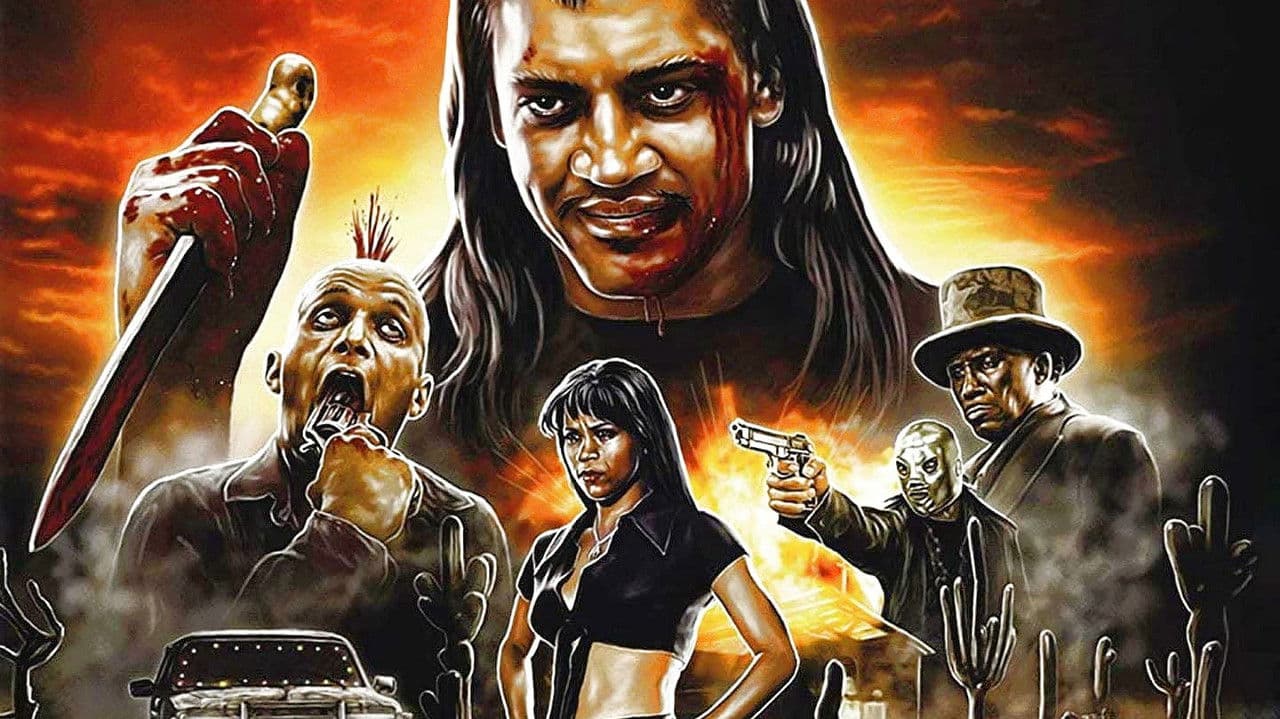
Dance with the Devil (released internationally as Perdita Durango) tells the story of two deeply damaged people who find something like love in the margins of crime. She's Perdita—sexy, shameless, and living on the edge of sanity. He's a mysterious drifter who robs banks, traffics in corpses, and doesn't shy away from the occult. When they meet, it's not a meet-cute. It's a collision. Together they tear across the American Southwest and into Mexico, leaving chaos in their wake, becoming the most feared outlaws on the continent. The 1997 film doesn't ask you to root for them exactly. It asks you to watch—really watch—as two broken people spiral deeper into darkness, bound together by desire and desperation.
Behind the Making of Dance with the Devil
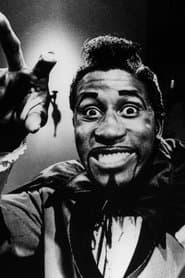
Dance with the Devil originated from Barry Gifford's 1992 novel 59° and Raining: The Story of Perdita Durango, adapted by director Álex de la Iglesia, a Spanish filmmaker known for his unflinching visual style and willingness to venture into uncomfortable territory. The film was a Spain–United States–Mexico coproduction, financed by Canal+ España, Mirador Films, Occidental Media Corp., Lolafilms, Instituto Mexicano de Cinematografía, and Sogetel—a genuinely international effort that gave the film a budget and scope befitting its ambitions. The casting was inspired: Rosie Perez, fresh off her acclaimed work in films like Do the Right Thing, brought vulnerability and raw intensity to Perdita, while Javier Bardem (before he became a household name) delivered a performance that was magnetic and deeply unsettling. The supporting cast included James Gandolfini, Harley Cross, Aimee Graham, and the legendary Screamin' Jay Hawkins, each adding texture to the film's grimy, operatic world. The final cut runs 130 minutes—the uncut version that audiences on streaming platforms can access today—giving de la Iglesia room to let scenes breathe, to let discomfort settle in. At 6.5/10 on IMDb, the film sits in that interesting middle ground: not universally beloved, but deeply respected by those who understand what it's trying to do.
What Makes Dance with the Devil Stand Out
Here's what strikes you about this film: it doesn't flinch. Where most crime thrillers might soften the edges or give their antiheroes a redemptive arc, Dance with the Devil leans into the darkness—the voodoo rituals, the corpse trafficking, the psychological unraveling—and doesn't blink. Perez and Bardem have chemistry that's genuinely unsettling; you can feel the attraction and the danger coexisting in every scene they share. The performances aren't showy. They're lived-in, which makes the violence and weirdness hit harder. What's striking is that the film doesn't judge its characters so much as it observes them. It's less interested in morality than in the strange logic of obsession, the way two damaged people can create their own world together, no matter how toxic. The pacing does stumble in the third act—as one viewer noted, things slow before ramping up for the finale—but that rhythm actually works, giving you moments to process what you've witnessed before the final push. The film's willingness to include truly uncomfortable scenes (and I won't spoil which ones) separates it from more conventional thrillers. It's not shock value for its own sake; it's de la Iglesia forcing you to sit with the consequences of desire and violence.
Where to Stream Dance with the Devil Online
Dance with the Devil is currently available on major OTT services, and you can check the Where to Watch widget at the top of this page to see which platforms carry it in your region right now. Streaming availability shifts regularly, so Movie OTT tracks current listings across all major services to save you the hunt. The 130-minute uncut version—the one that gives you the full scope of de la Iglesia's vision—is what you want to watch, and most platforms now carry this cut rather than trimmed versions. If you're the type who likes to know exactly where a film is streaming before you settle in, Movie OTT's aggregation tool makes it simple to find the right platform without bouncing between three apps.
Frequently asked questions
Q: Who directed Dance with the Devil?
Álex de la Iglesia directed the film, adapting it from Barry Gifford's 1992 novel. De la Iglesia is a Spanish filmmaker known for his willingness to explore dark, transgressive material without softening the edges.
Q: Is Dance with the Devil based on a true story?
No, it's based on Barry Gifford's 1992 novel 59° and Raining: The Story of Perdita Durango. While the story is fictional, Gifford's work often draws inspiration from real criminal histories and American Gothic themes, giving the narrative a sense of plausibility even as it ventures into surreal territory.
Q: How long is Dance with the Devil?
The film runs 130 minutes in its uncut version, which is the version available on most streaming platforms today. This runtime gives director de la Iglesia space to develop the relationship between the two leads and to let scenes breathe rather than cutting away quickly.
Q: What's the difference between the theatrical release and the uncut version?
The uncut 130-minute version includes scenes and sequences that were trimmed for some theatrical releases. If you're watching on a major OTT service, you're almost certainly getting the full cut—which is the version worth your time.
Q: Is Dance with the Devil worth watching?
If you're drawn to crime thrillers that don't play it safe, that feature strong performances, and that are willing to make you uncomfortable—yes. It's not a film for everyone, but it's a film that sticks with you, that rewards close attention, and that proves both Perez and Bardem were capable of much more than mainstream audiences initially realized.
Final Thoughts on Dance with the Devil
Dance with the Devil isn't a comfortable watch, but it's a necessary one. It's a film that trusts its audience to sit with ambiguity, to watch two people destroy each other, and to find something oddly compelling in that destruction. Rosie Perez and Javier Bardem deliver career-defining work here—the kind of performances that should've launched them into different trajectories. If you haven't seen it, the film deserves your attention. If you have, it's worth revisiting. This is cinema that refuses to look away.