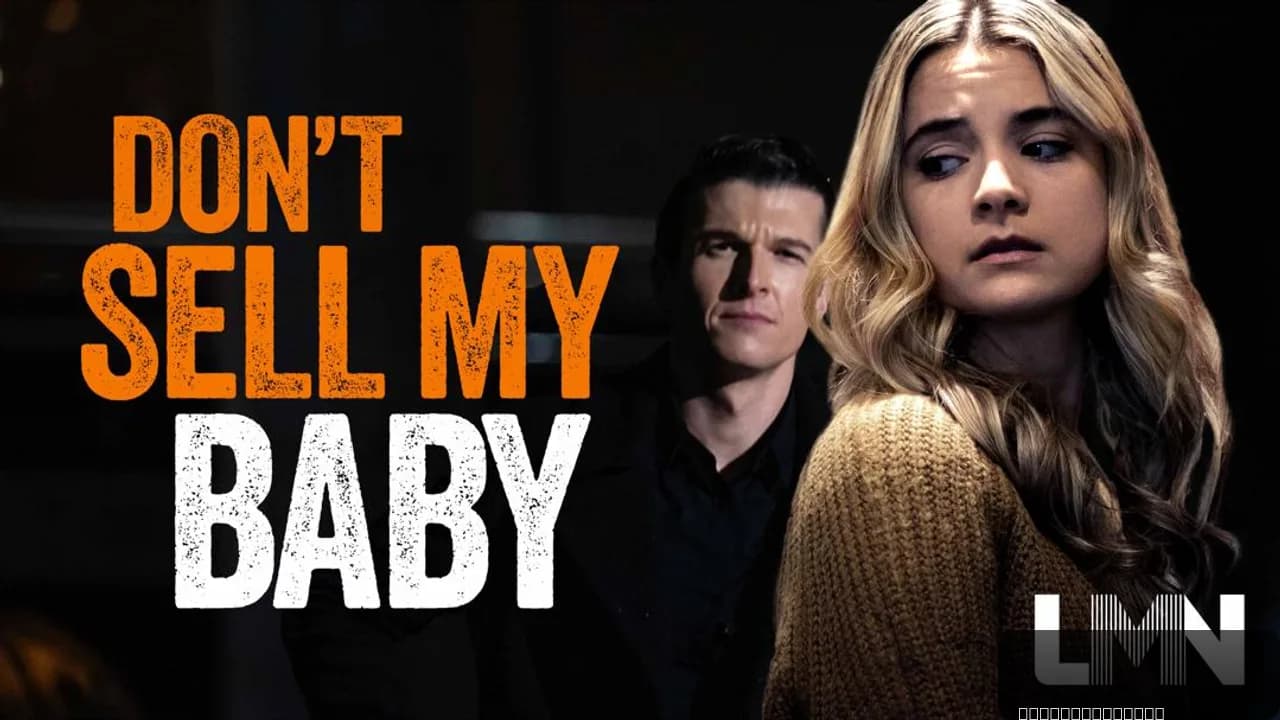
The Story of Danger Rocks The Cradle
Danger Rocks The Cradle tells the story of Nicolette, a high school senior who has spent her adolescence bouncing between foster homes—a life of instability that's shaped everything about how she moves through the world. When she becomes pregnant by the school quarterback, what might seem like a setup for a teen-pregnancy-drama-of-the-week becomes something darker and more urgent. Nicolette doesn't find support or a clear path forward; instead, she spirals into despair. The film doesn't shy away from the weight of that spiral. Director Roxanne Boisvert builds a narrative that feels less like a melodrama and more like a slow collapse—the kind where you can see exactly where the cracks are forming, but nobody around her seems equipped to stop it.
What makes this premise work isn't novelty. It's specificity. Nicolette isn't just a pregnant teen; she's a teen with no stable home, no parent to call, no safety net. The pregnancy becomes the catalyst, but the real subject is abandonment—institutional, emotional, and personal.
Behind the Making of Danger Rocks The Cradle
Danger Rocks The Cradle emerged from the Canadian film industry in 2023, a feature-length effort that runs 85 minutes—lean enough to keep the tension taut, long enough to let scenes breathe. Director Roxanne Boisvert helmed the project with a cast anchored by Maia Jae in the lead role, supported by Kelly Hope Taylor, Devin Cecchetto, Fallon Bowman, Krista Marchand, Frank Fiola, and Kyle Meagher. The ensemble is relatively unknown in mainstream circles, which works in the film's favor—there's no celebrity baggage, no preconceived notions about who these actors are. They become their characters without the weight of prior roles.
The film's production speaks to a particular moment in Canadian cinema: a willingness to tackle social-realist subject matter with modest budgets and emerging talent. There's no word of major festival recognition or awards-season runs in the traditional sense, and the IMDb rating of 5.1/10 suggests mixed reception among general audiences. That said, ratings don't always capture what a film is trying to do. Sometimes a thriller that refuses easy answers or comfortable resolutions gets dinged by viewers expecting catharsis. The 85-minute runtime and Canadian production context suggest filmmakers more interested in honest storytelling than box-office calculations.
What Makes Danger Rocks The Cradle Stand Out
Here's the thing about this film: it doesn't offer solutions. That's actually what's striking about it. Nicolette's despair isn't something a boyfriend fixes or a supportive teacher resolves in the third act. The narrative doesn't build toward redemption or a neat emotional arc. Instead, it follows the logic of real abandonment—compounding, suffocating, relentless.
Maia Jae's performance carries the weight of that. She's asked to embody a teenager in free fall, and there's no way to make that sympathetic without making it maudlin, yet the film seems to manage it. The supporting cast—particularly the adults in Nicolette's orbit—become part of the problem rather than the solution, which is uncomfortable and, frankly, more true to how these systems actually fail young people.
What I keep coming back to is how the film refuses the usual beats. The quarterback isn't demonized or redeemed. The social workers don't swoop in with answers. Nobody learns a lesson. It's a thriller in the sense that it builds dread and tension, not through jump scares or plot twists, but through the accumulation of small failures—a missed call, a closed door, a moment when someone could help but doesn't. The pacing and craft serve that accumulation without ever feeling heavy-handed about it.
For those interested in exploring how streaming platforms are tracking independent and international thrillers, Movie OTT aggregates availability across multiple services, making it easy to find where titles like this land. If you're looking for films that take social realism seriously, Movie OTT's editorial team regularly highlights Canadian and indie productions that don't always get mainstream attention.
Where to Stream Danger Rocks The Cradle Online
Danger Rocks The Cradle is currently available on Prime Video, making it accessible to anyone with an Amazon subscription. The film's presence on a major streaming platform means it's found an audience beyond traditional theatrical release—which, given its subject matter and modest profile, is probably where most viewers will encounter it anyway. Streaming has democratized access to films like this one, films that might have played a handful of festivals and then disappeared into obscurity a decade ago.
You can check the Where to Watch widget at the top of this page for real-time availability updates, since streaming rights shift. Movie OTT tracks current streaming availability across Netflix, Prime, and other major platforms, so you'll always know where a title lives before you start searching.
Frequently Asked Questions
Q: Who directed Danger Rocks The Cradle?
Roxanne Boisvert directed the film. It's a feature-length project that showcases her approach to character-driven storytelling and social realism.
Q: Where can I watch Danger Rocks The Cradle?
Danger Rocks The Cradle is currently streaming on Prime Video. Check the availability widget on this page for the most up-to-date information.
Q: What's the runtime of Danger Rocks The Cradle?
The film runs 85 minutes, making it a lean, focused narrative that doesn't overstay its welcome.
Q: Who stars in Danger Rocks The Cradle?
Maia Jae leads the cast as Nicolette, with supporting performances from Kelly Hope Taylor, Devin Cecchetto, Fallon Bowman, Krista Marchand, Frank Fiola, and Kyle Meagher.
Q: Is Danger Rocks The Cradle based on a true story?
The film is an original narrative that explores themes of foster care, teenage pregnancy, and institutional failure—issues grounded in real social problems, though the story itself is fictional.
Final Thoughts on Danger Rocks The Cradle
Danger Rocks The Cradle won't be for everyone. It's not designed to comfort or uplift. But if you're looking for a thriller that takes its subject seriously—that refuses easy answers and trusts its audience to sit with discomfort—it's worth the 85 minutes. Maia Jae carries the film with a quiet intensity that lingers. The Canadian production values and ensemble work create something that feels lived-in rather than manufactured. It's a small film with something real to say about how systems fail the people who need them most.