The story of Dark Night of the Scarecrow
When a young girl named Marylee Williams is found brutally mauled in a small rural community, suspicion immediately falls on Bubba Ritter—a friendly, intellectually disabled man who'd been spending time with her. What follows isn't an investigation. It's a rush to judgment. A group of angry townsmen, convinced they've found their culprit, decide to take matters into their own hands. They track Bubba down, corner him in a field, and execute him without trial—burying his body in a scarecrow's grave. The problem? Bubba didn't do it. And in the weeks that follow, the men who killed him begin to realize that some crimes don't stay buried, no matter how deep you dig.
What makes Dark Night of the Scarecrow particularly unsettling isn't just the revenge plot—it's the way the film uses small-town paranoia and mob mentality as its real villain. The horror doesn't come from jump scares or gore (though there's plenty of both). It comes from watching ordinary men rationalize extraordinary cruelty, then face the consequences when their victim refuses to stay dead. The scarecrow becomes something more than a prop. It's a symbol of injustice given form, a walking indictment of their sin.
Behind the making of Dark Night of the Scarecrow
Dark Night of the Scarecrow arrived in 1981 as a made-for-television film, directed by Frank De Felitta, a novelist and screenwriter who brought a literary sensibility to the small screen. The script came from J.D. Feigelson, who'd originally written it as an independent feature film—a script ambitious enough and dark enough that it caught the attention of CBS, which bought it for television. Despite the shift to the small screen, only minor changes were made to Feigelson's original vision, which speaks to the strength of the material itself.
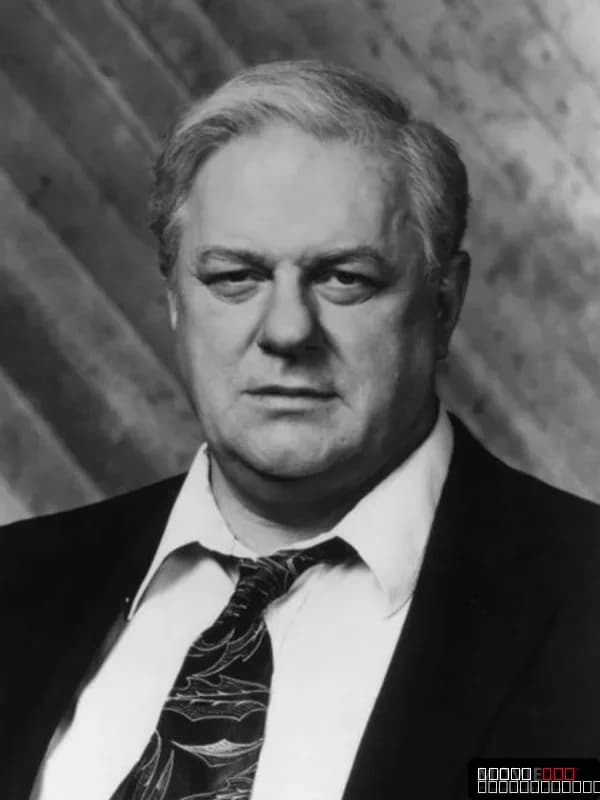
The cast brought real weight to the project. Charles Durning, known for his character work in everything from The Sting to Tootsie, anchored the film as the lead conspirator—a mailman whose guilt becomes increasingly unbearable. Larry Drake, who would later gain fame on L.A. Law, delivered a heartbreaking performance as Bubba, capturing both the innocence and the tragedy of a man condemned by circumstance. Jocelyn Brando, sister of Marlon, played Bubba's mother with a quiet dignity that underscores the film's moral weight. The ensemble cast—including Lane Smith, Claude Earl Jones, and Robert F. Lyons—created a believable community of flawed men bound together by a terrible secret.
The film earned a TV-14 rating and ran 96 minutes, giving it enough room to breathe beyond the typical television-movie constraints of the era. While Dark Night of the Scarecrow didn't become a major awards contender, it received recognition for its craft and storytelling. On Movie OTT, you can track how this cult classic has remained available across different platforms over the decades—a testament to its enduring appeal to horror fans and those interested in socially conscious genre cinema.
What makes Dark Night of the Scarecrow stand out
There's something about this film that lingers. The Rotten Tomatoes score of 63% Fresh doesn't quite capture what's genuinely unsettling about it—critics recognized its merit even when they weren't entirely sure what to make of it. What's striking is how the film weaponizes small-town Americana against itself. These aren't cartoonish villains. They're neighbors. They're men with jobs, families, and reasons (however flawed) for what they do. That's what makes it work so well—the horror isn't external, it's internal, rooted in the gap between what we tell ourselves we believe and what we actually do when fear takes over.
Larry Drake's performance as Bubba deserves particular mention. He plays the character with a gentleness that makes the injustice cut deeper. When Bubba's wrongly accused, there's no dramatic protestation of innocence. He's confused, frightened, and ultimately powerless—which is exactly what makes his transformation into a vengeful specter so potent. The scarecrow itself becomes a visual metaphor that's both absurdly low-tech and genuinely effective. Stuffed with straw, positioned in fields where the guilty men must confront it repeatedly, it's the kind of practical horror that doesn't need elaborate effects to burrow into your brain.
The film also doesn't shy away from its central theme—the vulnerability of people with intellectual disabilities to violence and injustice. In 1981, this was bold material for television. Even now, the film's willingness to center that vulnerability, rather than exploit it, sets it apart from lesser horror fare. Movie OTT's editorial team tracks how films like this one have influenced the way horror engages with disability and social justice, and Dark Night of the Scarecrow remains a touchstone in that conversation.
Where to stream Dark Night of the Scarecrow online
If you're ready to experience this cult classic, Dark Night of the Scarecrow is currently available on Prime Video. The Where to Watch widget at the top of this page will show you all the platforms where you can access it right now—availability does shift, so it's worth checking before you start. For those who prefer to own rather than stream, the film has also been released on DVD and Blu-ray, giving you options depending on how you like to watch. Movie OTT tracks streaming availability across multiple services, so you'll always know where to find your next great watch.
Frequently asked questions
Q: Who directed Dark Night of the Scarecrow?
Frank De Felitta, a veteran novelist and screenwriter, directed the film from a script by J.D. Feigelson. De Felitta brought a literary sensibility to the television medium, elevating the material beyond typical TV-movie fare.
Q: Is Dark Night of the Scarecrow based on a true story?
No, it's an original screenplay by J.D. Feigelson, though the themes of mob justice and wrongful accusation draw on very real historical anxieties about small-town vigilantism and the persecution of vulnerable people.
Q: What's the runtime of Dark Night of the Scarecrow?
The film runs 96 minutes, giving it enough breathing room to develop its characters and atmosphere beyond typical television-movie constraints.
Q: Is Dark Night of the Scarecrow appropriate for kids?
The film carries a TV-14 rating, meaning it contains some violence and dark themes that may not be suitable for younger viewers. It's definitely geared toward teens and adults.
Q: Why is Dark Night of the Scarecrow considered a cult classic?
The film combines strong performances, a morally complex narrative, and genuine horror atmosphere with a willingness to engage seriously with themes of injustice and disability. It's the kind of 1980s made-for-TV movie that rewards repeat viewing and has aged remarkably well.
Final thoughts on Dark Night of the Scarecrow
Dark Night of the Scarecrow deserves a place in any serious horror fan's viewing rotation. It's not just a revenge tale or a supernatural thriller—it's a meditation on guilt, community, and the terrible things we do when fear overrides our conscience. The 6.7 IMDb rating reflects how divisive it can be, but that's partly because it refuses to let its audience off the hook. There's no comfortable resolution here, no neat moral lesson. Just men haunted by what they've done, and a scarecrow that won't let them forget. That's the kind of horror that stays with you long after the credits roll.